
Denmark and Germany Bolster Sierra Leone’s Green Energy Sector with €9M in Targeted Funding
 Deborah Sorie
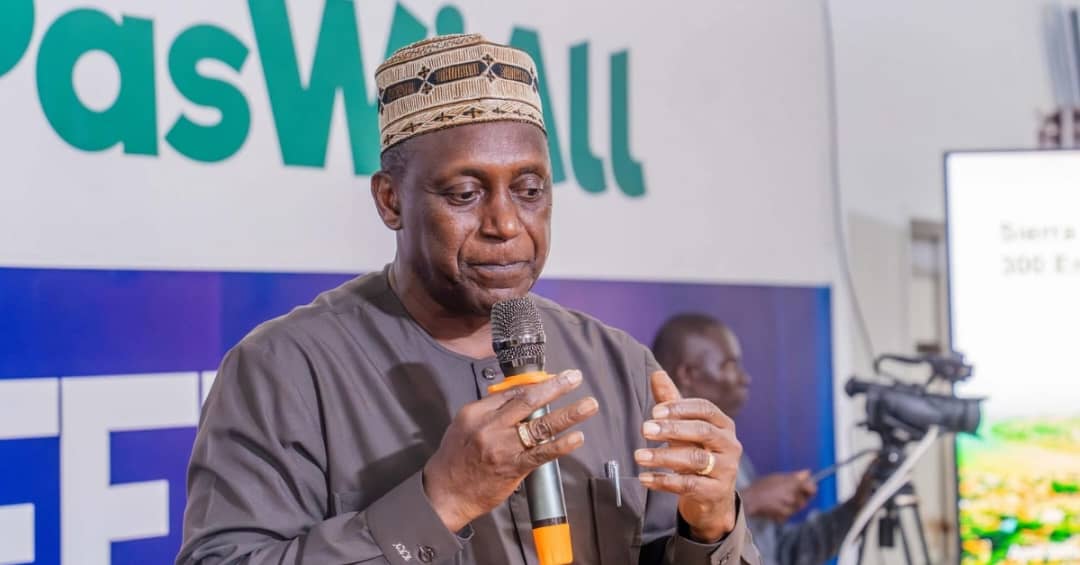
 Sierra Leone’s Presidential Initiative on Climate Change, Renewable Energy and Food Security (PI-CREF) Chairman, Hon. Dr. Kandeh Yumkella, has underscored the importance of building lasting institutions as founding members of the Accelerated Partnership for Renewables in Africa (APRA) concluded their Seniors Working Group Meeting in Copenhagen.
The two-day gathering, which ended on February 28, 2026, brought together APRA’s four founding nations—Denmark, Germany, Kenya, and Sierra Leone—alongside the International Renewable Energy Agency (IRENA) and the APRA Implementation Office, which is hosted by the United Nations Office for Project Services (UNOPS) in Nairobi.
Discussions focused on accelerating renewable energy deployment to enhance energy access, advance green industrialization, and strengthen economic resilience across Africa. Delegates reviewed governance structures, advanced a mid-term strategy and work plan for 2026, and clarified the roles of the IRENA-hosted APRA Secretariat and the UNOPS-hosted Implementation Office.

Speaking on behalf of Sierra Leone, Dr. Yumkella emphasized that institutions must be built to outlast their founders. “We must build strong institutions that serve the greater good of humanity,” he stated, reminding colleagues that APRA represents a critical platform for African countries pursuing Sustainable Development Goal 7 (SDG7) on universal energy access.

Drawing on his extensive experience establishing global institutions, Dr. Yumkella reflected on founding Sustainable Energy for All (SEforALL) and two global forums—the Vienna Energy and Climate Forum and the SEforALL Forum. He stressed that APRA must similarly transcend individual leadership. “We will not all be here forever; at some point, we will all move on,” he noted. Today, after a decade, those entities continue fulfilling their original mandates.
In a move to strengthen APRA’s institutional arrangements, the meeting confirmed the appointment of Kenya and Denmark as co-chairs of the Steering Committee.
The meeting also highlighted significant financial commitments from Germany and Denmark to support renewable energy across Africa through multilateral mechanisms, including the Sustainable Energy Fund for Africa (SEFA) at the African Development Bank and the Energy Sector Management Assistance Program (ESMAP) at the World Bank.
For Sierra Leone specifically, Denmark approved €3 million in 2025 to support mini-grid development under the EU-funded SOGREA programme. Additionally, the German Government committed €6 million to a rural development through renewable energy programme, with a special focus on strengthening women-led enterprises.
Dr. Yumkella was accompanied to Copenhagen by PI-CREF’s Director of Partnerships, Communications and Outreach, Mr. Anthony Kamara, who serves as Sierra Leone’s Country Focal Point for APRA.
Good night my fellow citizens. My leaders in Sierra Leone, you don’t need to borrow money from foreigners to develop your country. You have all the minerals resources to sell and buy what you need to develop your Sierra Leone. Or provide for your citizens. True or false? It is very shameful to borrow money for development in Sierra Leone. Look at Burkina Faso. Why Sierra Leone can’t follow their footsteps? Tell me. I rest my case.