

Sierra Leone Minister Chairs ECOWAS Meeting on Harmonized Education Data

Sierra Leone’s Ministry of Technical and Higher Education (MTHE) has taken a leading role in regional education reform by chairing a high-level technical meeting of the Economic Community of West African States (ECOWAS) in Lomé. The session focused on validating harmonized indicators for Education Management Information Systems (EMIS) across member states.
Representing Sierra Leone were Emmanuel J. Momoh, who chaired the meeting, and Victor A. Sesay.
In his opening remarks, Momoh thanked the ECOWAS Commission for entrusting Sierra Leone with the responsibility of chairing the session. He underscored the importance of EMIS as an integrated platform that collects, processes, and shares education data to support administrative and academic functions in schools, colleges, and universities.

“Education Management Information Systems have become essential tools for effective governance, planning, and quality assurance in higher education systems worldwide,” Momoh said.

He highlighted Sierra Leone’s ongoing challenges in rebuilding its education sector following the civil war (1991–2002) and the Ebola outbreak. Rising student enrollment and demands for accountability have placed additional pressure on institutions. While the government has expanded access through new technical and vocational institutions, EMIS implementation remains uneven and fragmented.
Momoh noted that these efforts align with Sierra Leone’s constitutional responsibility to promote education, citing the Free Quality School Education Programme launched in 2018, which has significantly boosted enrollment. He stressed that harmonized EMIS indicators across ECOWAS are critical to modernizing education governance, ensuring transparency, and enabling data-driven decision-making.
Victor A. Sesay outlined Sierra Leone’s progress and challenges in EMIS deployment, noting that while institutions collect education data, the process is often fragmented, unreliable, and difficult to validate. He identified key barriers to EMIS adoption in Sierra Leone, including:
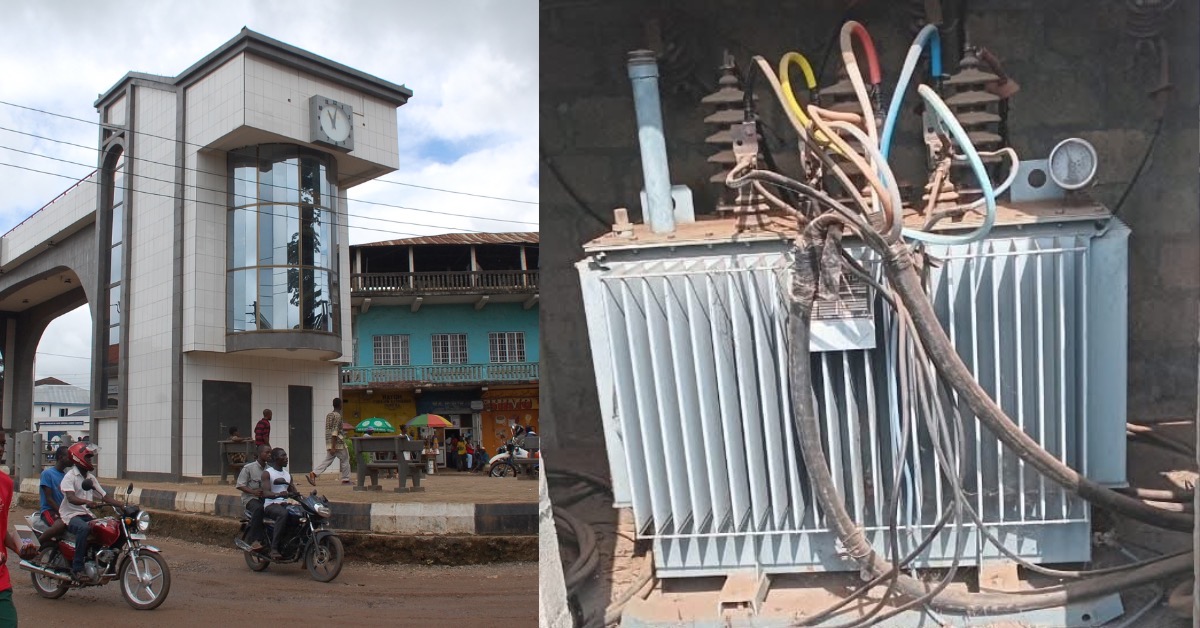
Infrastructure limitations such as unstable electricity, poor internet connectivity, and limited server capacity.
Financial constraints, with institutions struggling to fund acquisition, customization, and maintenance of EMIS platforms.
Human resource gaps, as many universities lack specialized IT personnel needed to operate and sustain the systems.
Despite these challenges, Sesay reaffirmed Sierra Leone’s commitment to strengthening EMIS as part of its broader education reform agenda.
The Lomé meeting concluded with ECOWAS member states reviewing and validating harmonized EMIS indicators, a step considered vital for regional cooperation in education management. Sierra Leone’s leadership in chairing the session underscores its growing influence in shaping education policy across West Africa.