
President Bio Urges Action on Energy Transition, Investment at Vienna Climate Conference
 Sahid Bangura
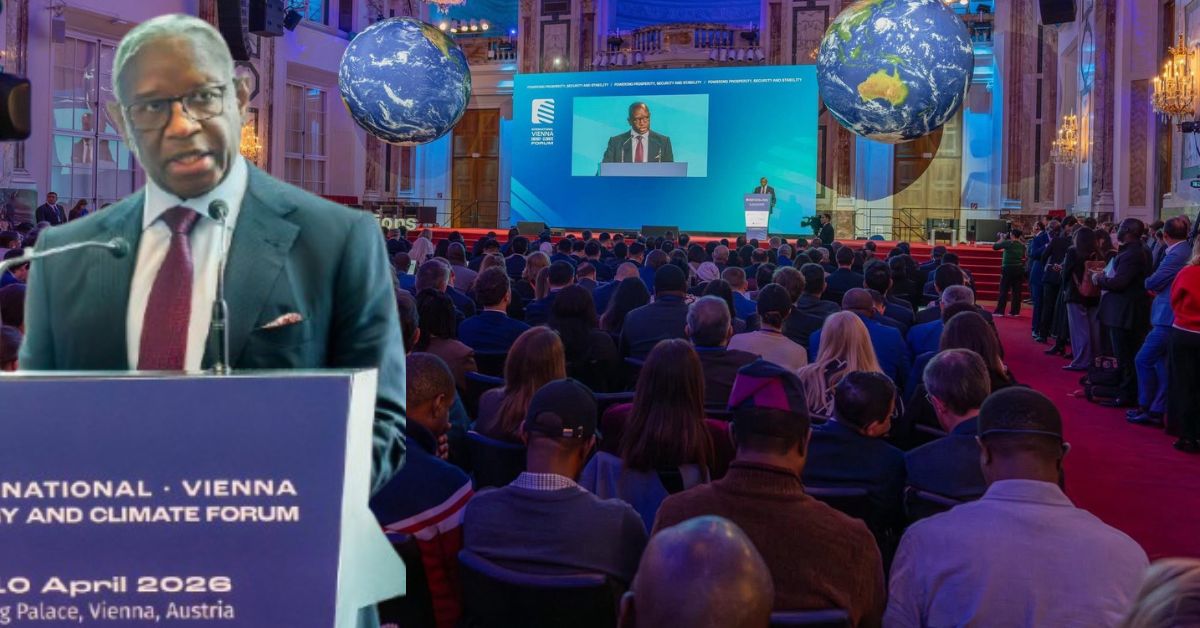
 Sierra Leone’s President, Dr. Julius Maada Bio has called for accelerated global investment, stronger regional integration, and practical implementation of climate and energy commitments, warning that progress must move beyond promises to tangible results.
Delivering a keynote address at the International Vienna Climate and Energy Conference, President Bio stressed that the global energy transition must produce real benefits, including job creation, economic value, and improved livelihoods.
“The global energy transition must go beyond commitments and focus on tangible outcomes that create value, generate jobs, and transform lives,” he said.

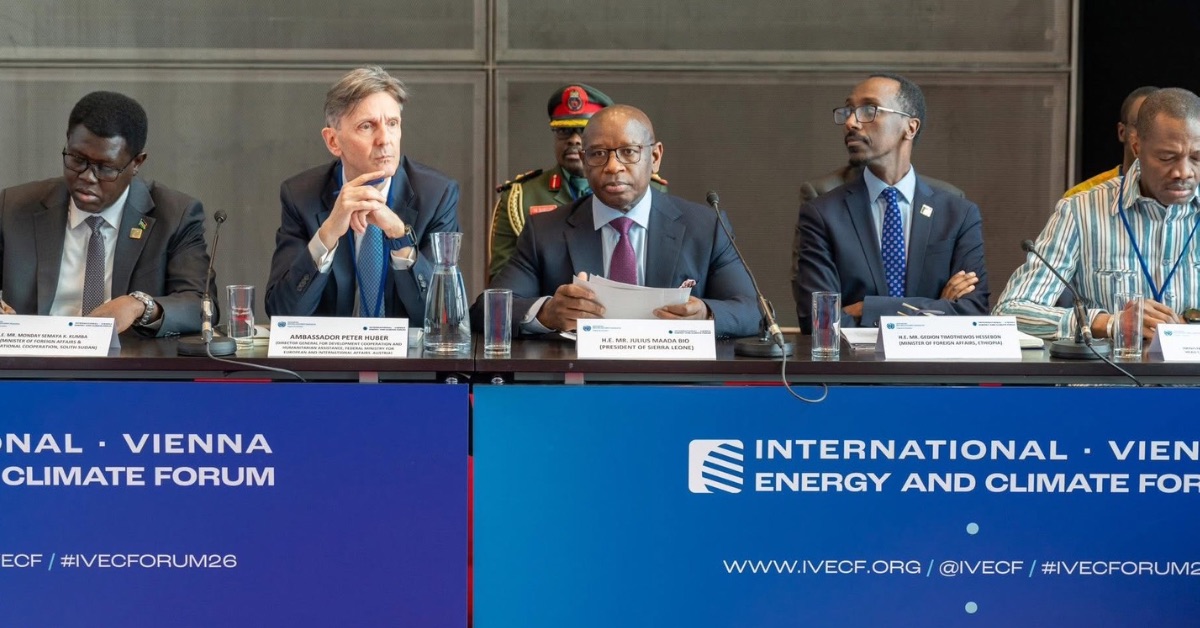
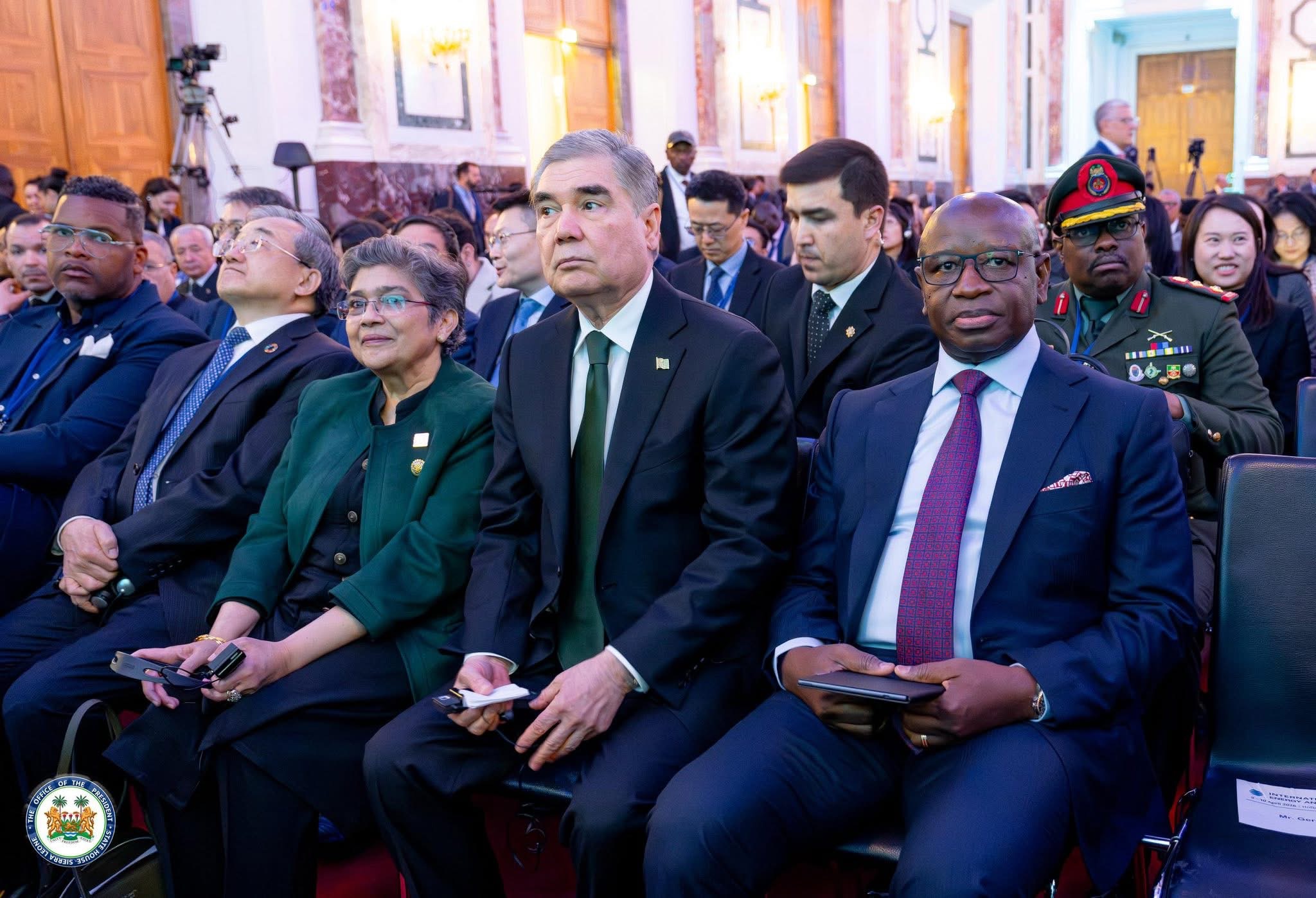
President Bio underscored the link between prosperity, security, and stability, noting that Africa must redefine its role in the global economy. He emphasized that the continent should not remain a source of raw materials but should instead become a center for industrial development and value addition.
“Africa will not be the warehouse of the global energy transition. Our continent will be a centre of value creation and industrial growth,” he stated.
Speaking in his capacity as Chairman of the ECOWAS Authority of Heads of State and Government, the President highlighted ongoing regional efforts to reposition West Africa as an integrated and investment-ready economic bloc. He pointed to policy harmonization, improved infrastructure connectivity, and coordinated development corridors as key strategies.
President Bio identified the Mano River Union-comprising Sierra Leone, Liberia, Guinea, and Côte d’Ivoire-as a major opportunity for regional industrialization. He said integrated industrial corridors linking mining, energy, transport, and ports could drive large-scale production, including aluminium refining and steel manufacturing.
At the national level, the President reaffirmed Sierra Leone’s commitment to transforming its energy sector under the Mission 300 initiative, supported by the World Bank and the African Development Bank. He disclosed that the country has developed a 2.2 billion US dollar Energy Compact designed to expand electricity access, scale up clean energy, and attract private investment.
He announced that Sierra Leone aims to increase electricity access from 36 percent to 78 percent by 2030, while also expanding access to clean cooking solutions and ensuring inclusive energy coverage through both grid and off-grid systems.
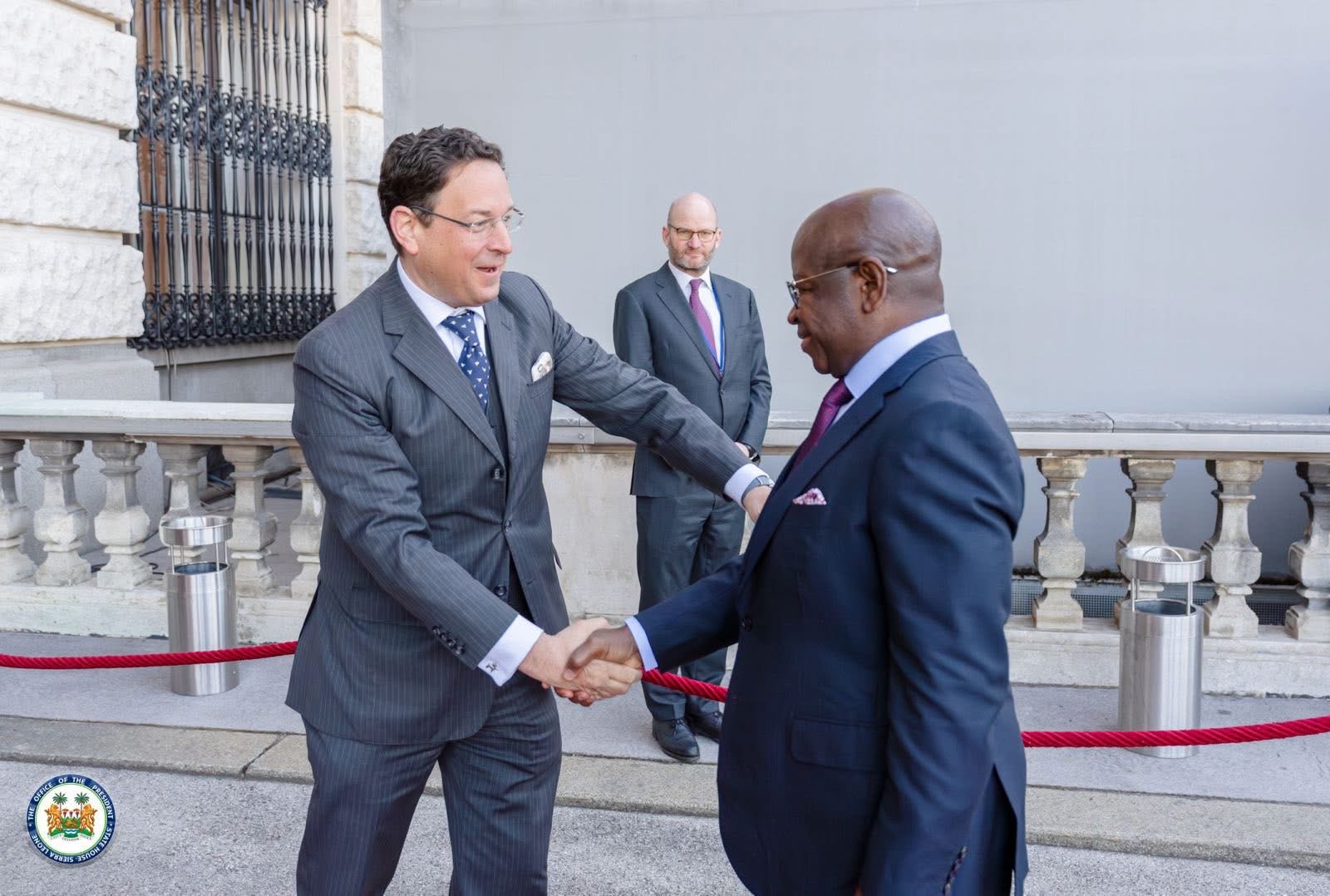
Addressing financing challenges, President Bio emphasized the need for more accessible and affordable climate finance. He noted that many viable projects across Africa fail to reach financial closure due to high capital costs and perceived investment risks.
“Climate finance must become more accessible, more affordable, and more responsive to the needs of developing economies,” he said.
Looking ahead, the President revealed plans for ECOWAS to deliver a pipeline of bankable cross-border energy and industrial projects within the next year. He also announced an upcoming West Africa Integration and Investment Summit, which he said would focus on implementation rather than declarations.
President Bio concluded by inviting global partners to move beyond traditional financing roles and engage as co-investors in long-term, value-driven projects that will shape the future of the energy transition.