
Bombali Launches One Health Chiefdom Committee to Boost Early Disease Detection
 Salamatu Y. Kamara
 The Bombali District, on March 26 2026, officially launched the One Health Chiefdom Committee at Garden Gate, Magburaka Highway in Makeni.
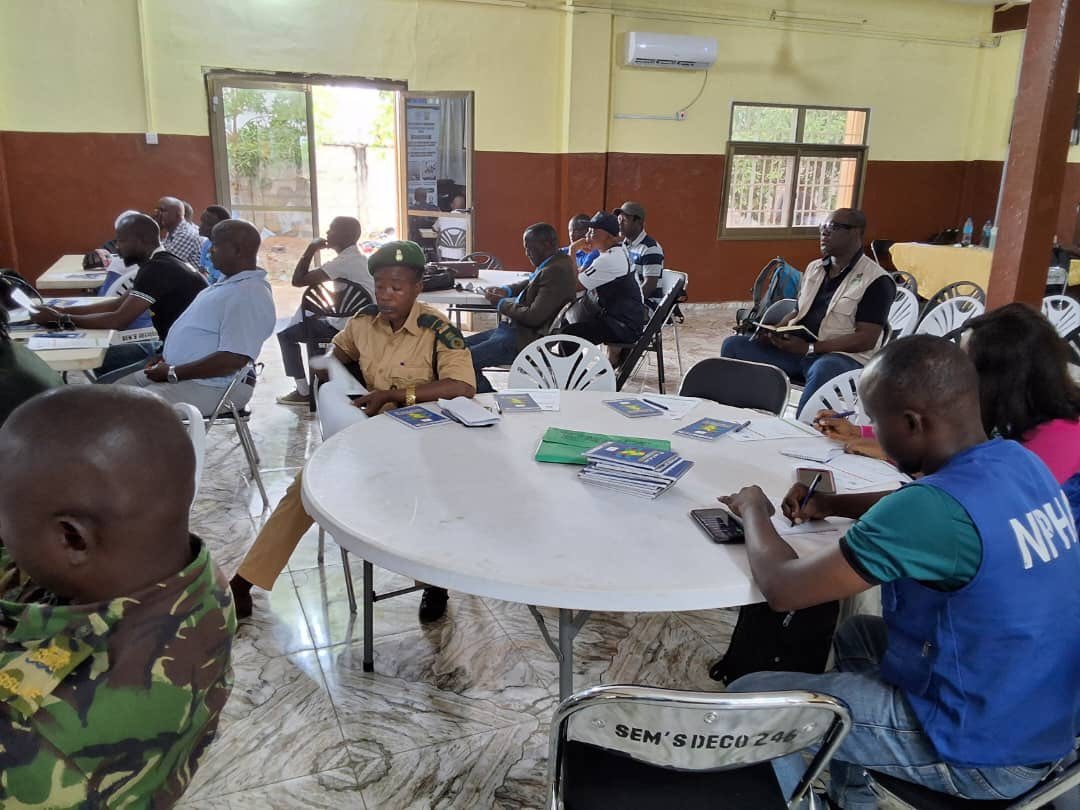
The ceremony brought together traditional leaders, district officials, youth and women’s groups, and representatives from health, agriculture, environment, and security sectors. Their presence reflected the collaborative spirit of One Health, which unites human, animal, and environmental health under one framework.
During his welcoming address, One Health Focal, Dr Conteh reminded the audience that the Chiefdom Committee is not simply a structure but a living system that depends on active engagement from all sectors. He emphasised that vigilance, timely reporting, and community ownership are the foundation of resilience, and that the launch in Bombali marked a new chapter in community‑based health security.
Madam Rachel Sandi, Deputy Coordinator of the One Health Secretariat, delivered an overview of the One Health Approach in Sierra Leone. She explained that the Chiefdom Committee is the “community’s shield,” ensuring that surveillance, data sharing, and early warning systems are rooted in local realities. She emphasized that the Paramount Chief serves as chairperson of the committee, anchoring One Health in traditional authority. Reflecting on lessons learned from the Ebola outbreak of 2014–2015, she reminded participants of Sierra Leone’s commitment to the Global Health Security Agenda and the International Health Regulations, and highlighted the One Health Governance Manual and Strategic Plan.

Stakeholders then gave their statements. The District Agriculture Representative stressed that livestock health is inseparable from human health, pledging closer collaboration with farmers. The representative of the Paramount Chief reaffirmed traditional leadership’s role in safeguarding communities, noting that chiefdoms are the frontline of surveillance. A youth leader spoke of the energy and vigilance young people bring to reporting unusual events, while a women’s group representative emphasized that women are often the first to notice health concerns in households and must be included in decision‑making. The Office of National Security reminded participants that health security is national security, pledging continued support.
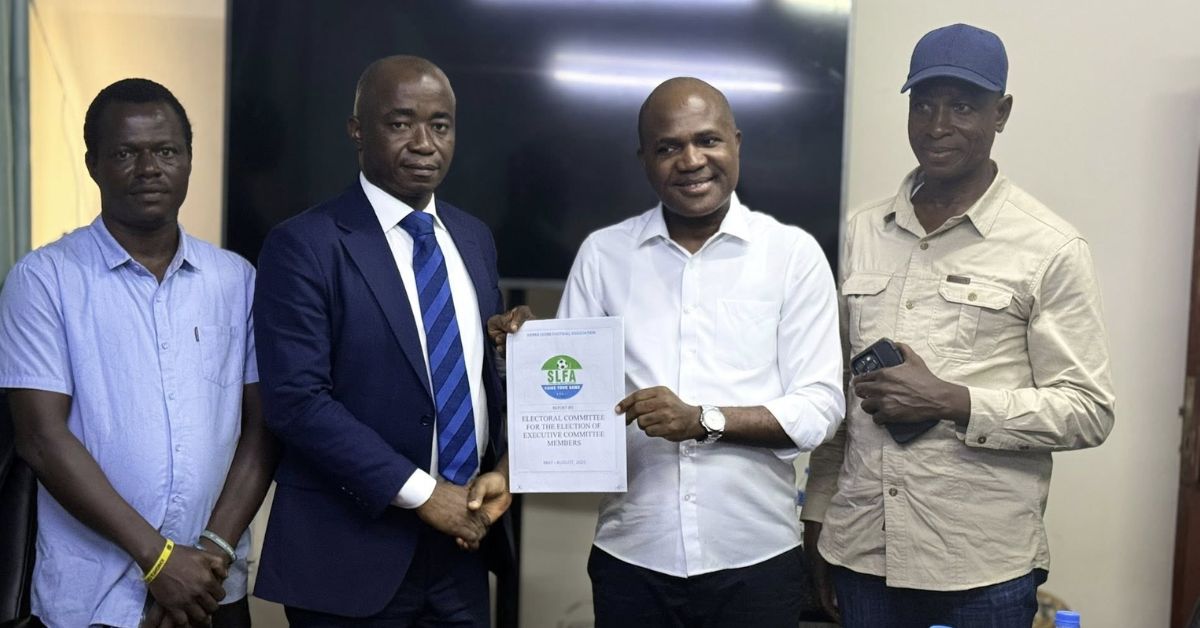


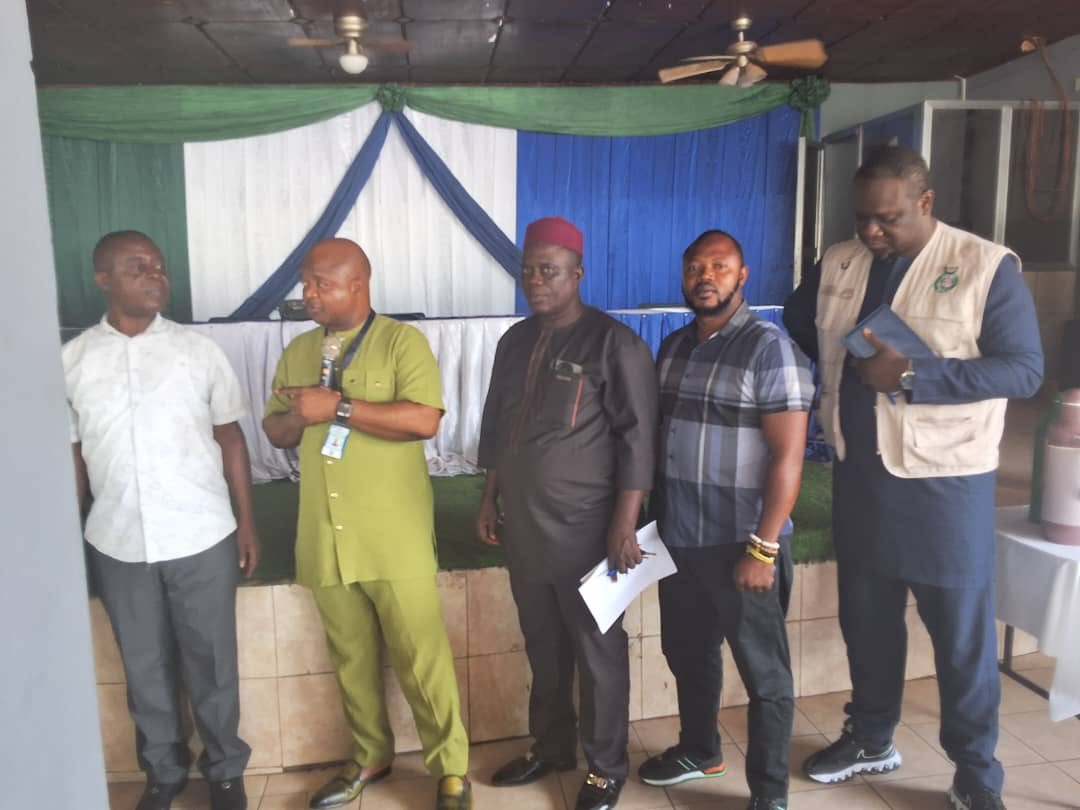
Dr. Sejdro Kataye, representing ECOWAS RCSDC and WAHO, delivered a goodwill message on behalf of the WAHO Director General. He expressed his delight at being in Sierra Leone, extended greetings from WAHO’s leadership, and emphasized that the launch in Bombali is a clear example of communities taking ownership of surveillance and response. He reaffirmed WAHO’s commitment to continue supporting Sierra Leone in strengthening its health systems and building resilience against outbreaks.
On behalf of the National Public Health Agency leadership, Deputy Executive Director Alhaji Mohamed Alex Vandi delivered a statement. He began by extending warm greetings from Professor Foday Sahr, Executive Director of NPHA, who was unavoidably absent due to competing national activities. He thanked WAHO for its continued support and partnership. He emphasized that the launch of the One Health Chiefdom Committee at this level is critical, because it places surveillance and early detection directly in the hands of communities. He reminded participants that “early reporting saves lives” and urged the committee to act as advocates, ensuring that unusual events are reported quickly and accurately. He concluded by assuring that NPHA will continue to provide technical guidance and support, working hand in hand with chiefdom authorities to build resilience at the grassroots level.
The launch was formally declared by the Paramount Chief’s representative, with pride and a standing ovation from the community.
Following the launch, committee members were introduced, representing chiefdom officers, ministerial representatives, youth, and women’s groups. Mr. Melvin Conteh, Monitoring and Evaluation Officer, presented on the roles and responsibilities of the committee, stressing prevention, detection, and early reporting. He emphasized governance, sustainability, and importantly, gender inclusion. He explained that women and men must be equally represented in decision‑making, surveillance, and response, noting that women are often the first to observe unusual events in households and communities. He highlighted that gender balance strengthens the committee’s ability to detect risks early and respond effectively.
The Surveillance Focal Person at the DHMT then gave a detailed presentation on the daily roles of surveillance officers. He explained how they interact with district One Health members in collecting and sharing data, ensuring rapid response during suspected cases or outbreaks. He emphasized that surveillance is the backbone of early detection, and that timely reporting from communities is essential to prevent small incidents from becoming large emergencies.
Another presentation was delivered by the One Health Secretariat on community engagement, governance, and sustainability. The Secretariat stressed that while partners provide valuable support, committees must be built to stand strong even in the absence of external assistance. They highlighted strategies for sustaining committee activities through local ownership, transparent governance, and community‑driven initiatives. The message was clear: resilience depends on communities taking responsibility for their own health security, with partners serving as facilitators rather than sole drivers.
In her closing remarks, Madam Rachel Sandi expressed deep gratitude to all stakeholders for their active participation. She reflected on the diverse roles of the committee members, noting that their representation demonstrates the strength of the One Health approach. She assured everyone that the Secretariat would carefully look into the questions and concerns raised, emphasizing that feedback from the community is vital for shaping effective surveillance and response systems. She thanked WAHO, ECOWAS RCSDC, the Ministry of Health, and NPHA for their continued support, and expressed hope that similar support will be extended to other districts. She emphasized that the launch is not just symbolic but a practical step toward resilience. She ended with a hopeful message: “This is the beginning of a stronger, more collaborative effort. With the Chiefdom Committee now launched in Bombali, surveillance, reporting, and response will be strengthened at community level. Together, we can build resilience, protect livelihoods, and safeguard Sierra Leone’s future.”