

Sierra Leone Hosts 27th ECOWAS Assembly of Health Ministers in Freetown
 Aminata Koroma
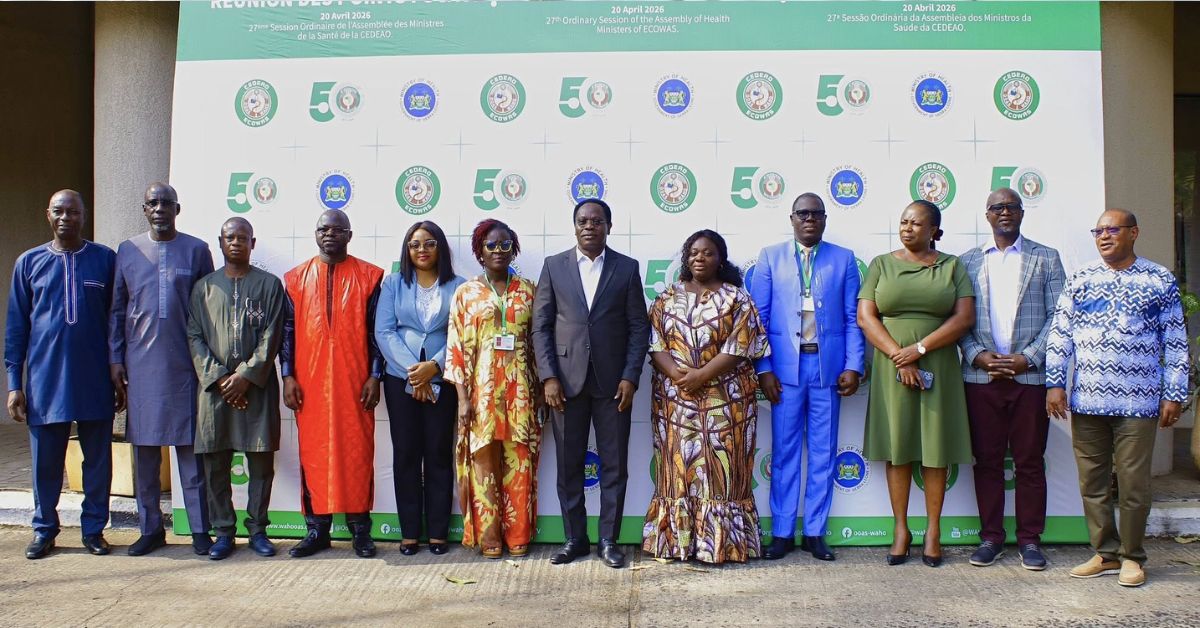
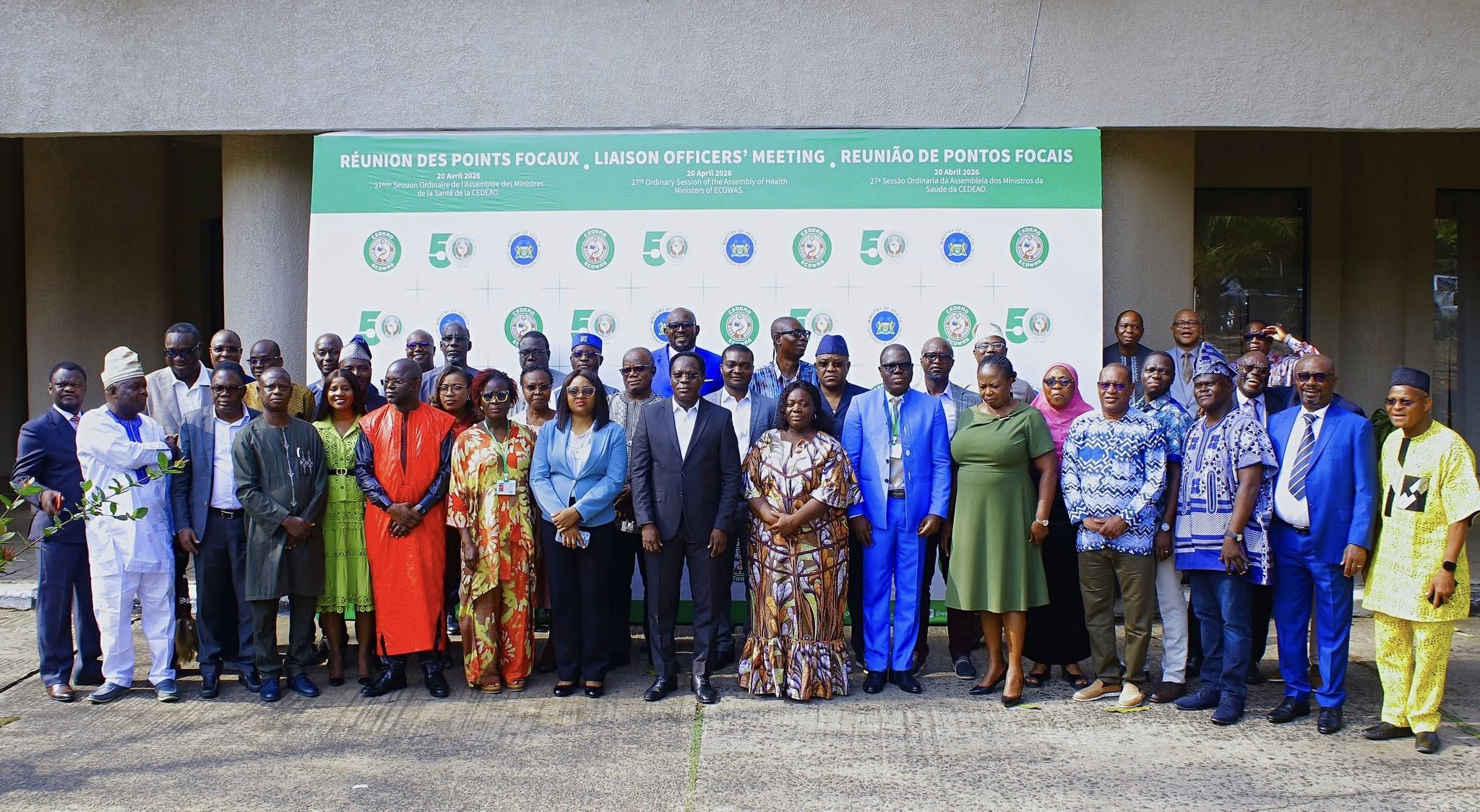
 The Government of Sierra Leone, through the Ministry of Health, has commenced hosting the 27th Assembly of Health Ministers of the Economic Community of West African States (ECOWAS) in Freetown, marking a significant milestone for the country’s health sector.
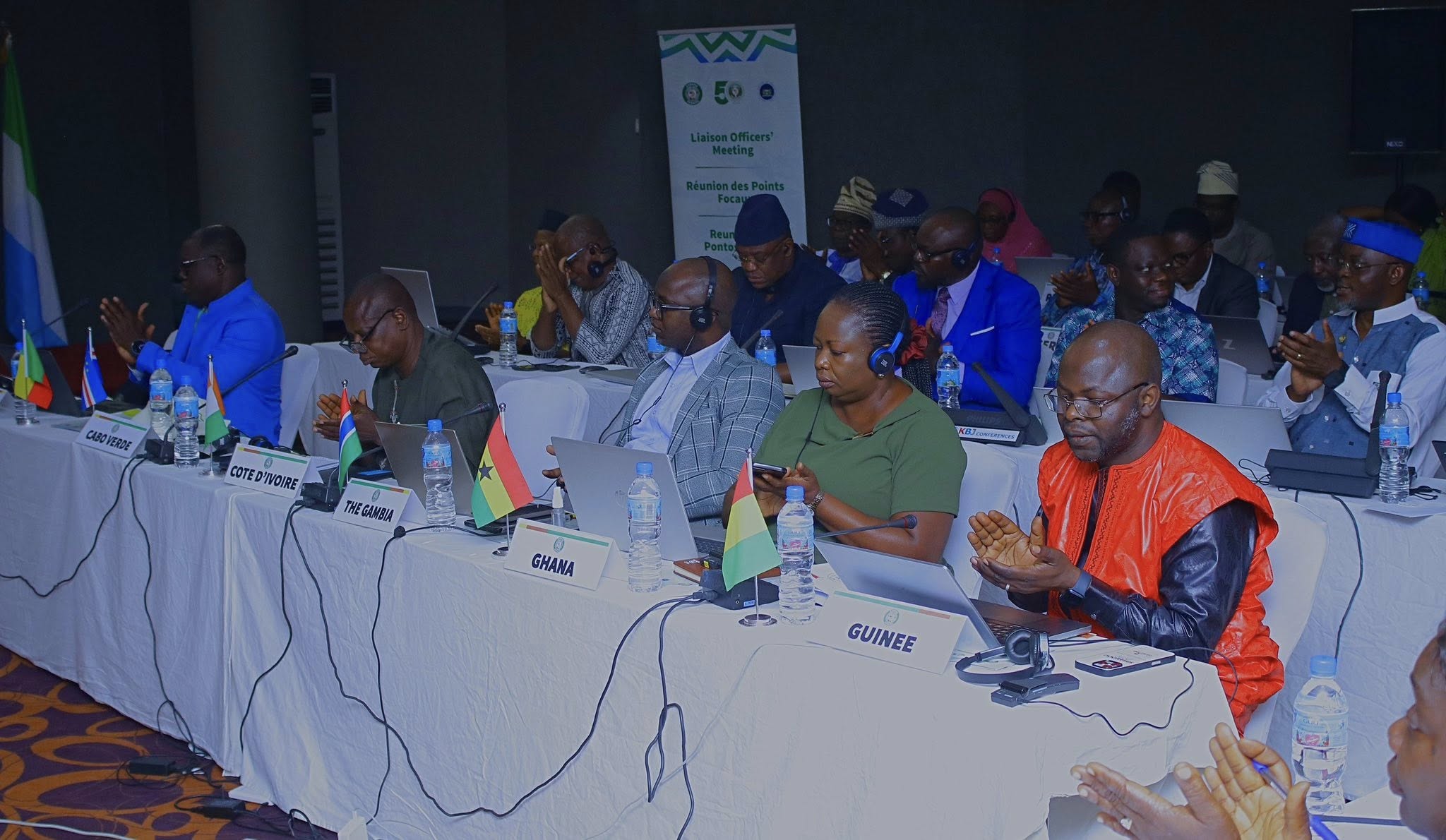
The week-long conference, which opened today at the Radisson Blu Hotel, has brought together health ministers and key stakeholders from across the ECOWAS region to deliberate on pressing healthcare challenges and explore innovative approaches to tackling diseases and public health emergencies.
This is the first time Sierra Leone is hosting the high-level assembly. This year’s meeting is held under the theme: “Advancing Malaria Elimination through an Integrated Regional Strategy.”

Discussions throughout the week will centre on reviewing key agenda items, aligning national and regional healthcare priorities, harmonising technical inputs, and strengthening collaboration to address shared public health concerns across West Africa.



In her opening remarks, Magdalene Harding, Chairperson and West Africa Health Organisation (WAHO) Liaison Officer in Sierra Leone, underscored the importance of unity in advancing healthcare delivery in the region.
“We gather here today not merely as representatives of our respective countries, but as a unified front committed to one of the most fundamental human rights-the right to the highest attainable standard of health,” she said. “Let us aim to make this meeting as productive as possible, with a focus on constructive solutions and innovative ideas.”
Also addressing the assembly, the Director General of WAHO, Dr Melchior Athanase Joël C. Aïssi, stressed that malaria elimination is achievable but requires sustained discipline, commitment, and innovation from all stakeholders.
He noted that as West Africa enters a critical phase in the fight against malaria, there is an urgent need to strengthen collaboration, accelerate policy implementation, and adopt coordinated, evidence-based interventions-particularly in high-risk and cross-border areas.
Such efforts, he added, are essential to reducing infection rates, saving lives, and improving overall public health outcomes across the region.