
Government’s Silence on Boss LAJ’s Detention Fuels Public Concern Amid Court Delays
 Sahid Bangura
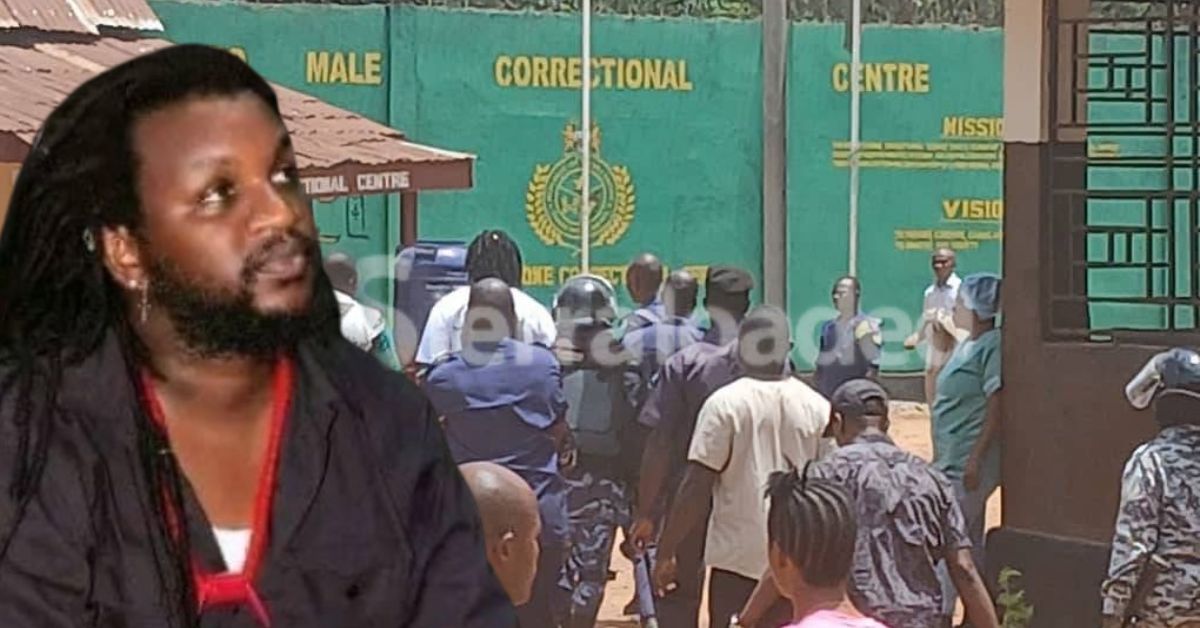
 Growing public concern is being directed at the continued detention of Sierra Leonean rapper Boss LA, as government authorities remain silent following the latest adjournment in his case.
A court hearing scheduled for April 21, 2026, failed to proceed due to the reported absence of the presiding magistrate, allegedly on health grounds. The matter has now been rescheduled to April 28, leaving the accused in custody without appearing before the court on the expected date.
The development has intensified debate among observers, with many raising broader questions about the efficiency and fairness of the justice system. Attention has also turned to the lack of any formal statement from the government regarding the ongoing detention.

The rapper remains in custody over allegations of making insulting remarks during a stage performance. While the matter is still before the court, some legal observers argue that the nature of the allegation may not warrant extended pre-trial detention. They emphasize that, under due process, detention before conviction should be proportionate and clearly justified.
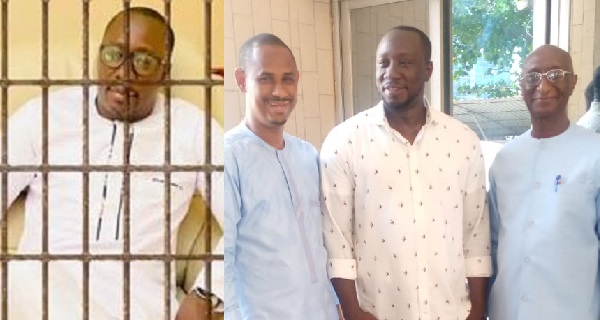

The case originated from a bench warrant issued after the artist and a co-accused allegedly failed to appear in court. However, critics maintain that such circumstances should not automatically result in prolonged detention, particularly in cases involving non-violent allegations.
The situation has been further shaped by the artist’s public response. In an appeal, he called on the Mayor of Kenema for forgiveness, stating that his remarks were made “out of strong emotions.” While the statement carries no legal authority, it has influenced public perception of the case.
Beyond the legal proceedings, the impact of the detention is already being felt. The rapper’s management has canceled a major concert due to the ongoing case, and several professional engagements and partnerships have reportedly been disrupted ahead of any court ruling.
As the next hearing date approaches, the case continues to draw attention not only for its legal implications but also for the absence of a government response, which observers say is adding to public concern over the handling of the matter.
We always cry for institutional independence, especially,the judiciary but we come back to ask government to interfere in cases that has to do with individual private cases. What really do we want to see happen as patriots in Sierra Leone today?
Government will not intervene because we believe in independence of the Judiciary.