

HRCSL Report Exposes Major Education Gaps in Sierra Leone Prisons
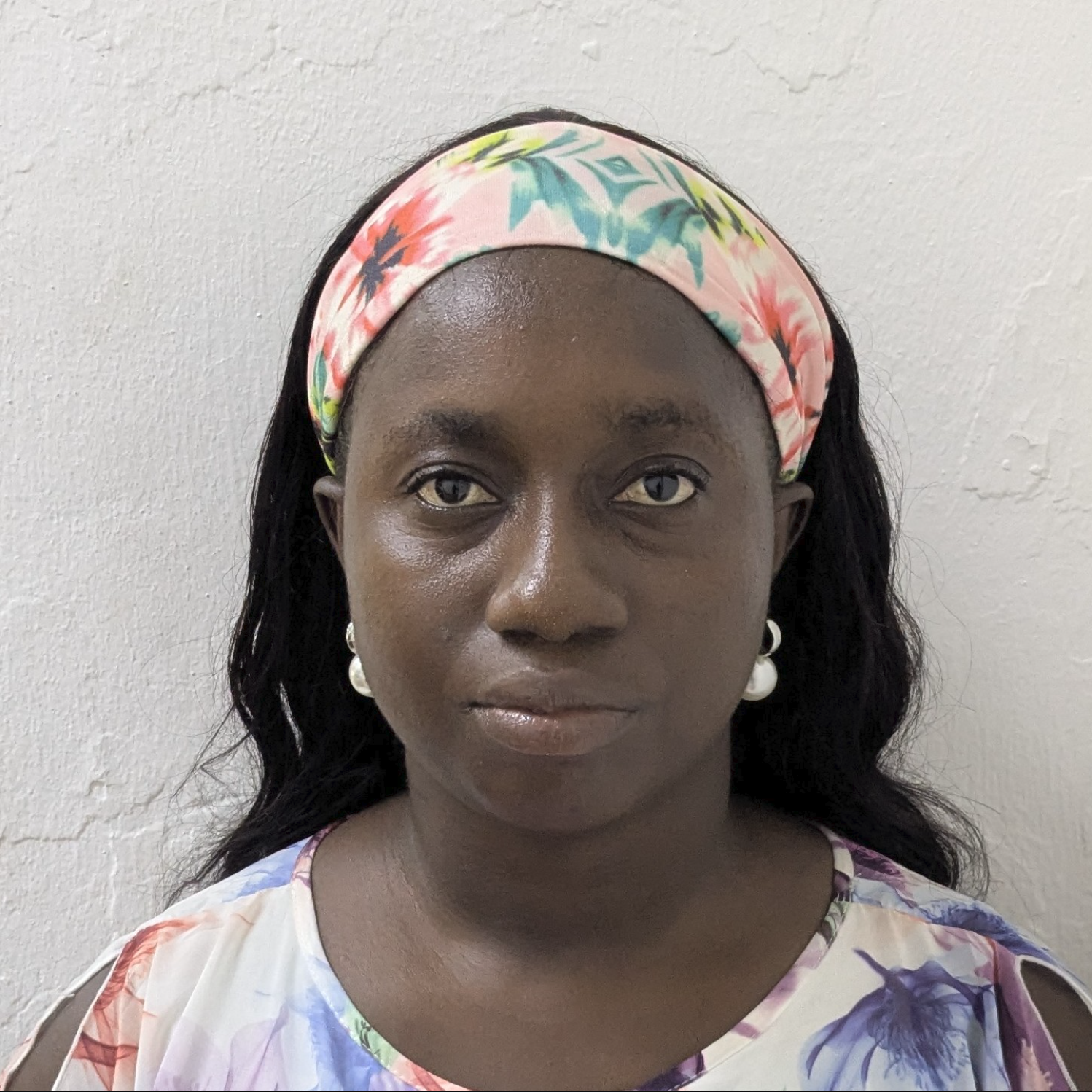 Aminata Koroma
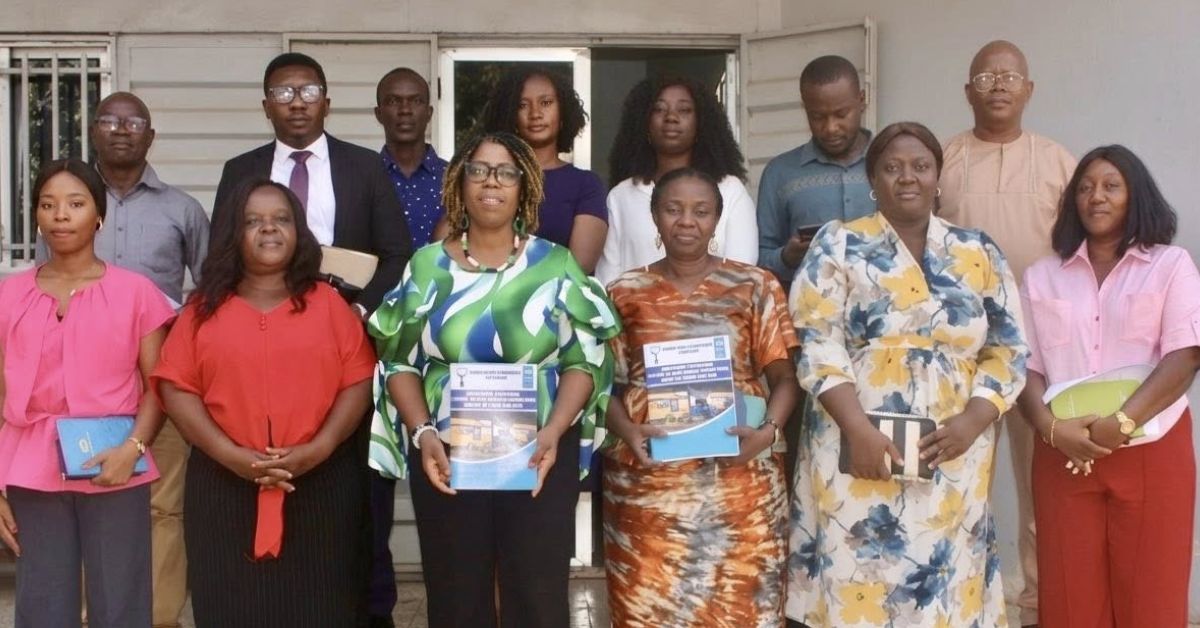
 The Human Rights Commission of Sierra Leone (HRCSL) has presented a report on the state of correctional centres across the country to the Ministry of Technical and Higher Education (MTHE), highlighting major gaps in inmate education and calling for urgent reforms.
Presenting the findings, Commissioner Simitie Lavaly disclosed that inspections conducted in 20 prisons revealed a widespread lack of formal education programmes, affecting more than 5,000 inmates nationwide. She noted that while a few initiatives-such as those led by the University of Makeni (UNIMAK)-offer structured learning opportunities, most correctional facilities are limited to basic literacy training.
Lavaly emphasised that inmates retain the constitutional and international right to education, as outlined in the United Nations Nelson Mandela Rules. She warned that the absence of meaningful educational and skills development programmes increases the likelihood of reoffending, and urged authorities to integrate prison education into national policy frameworks and planning.

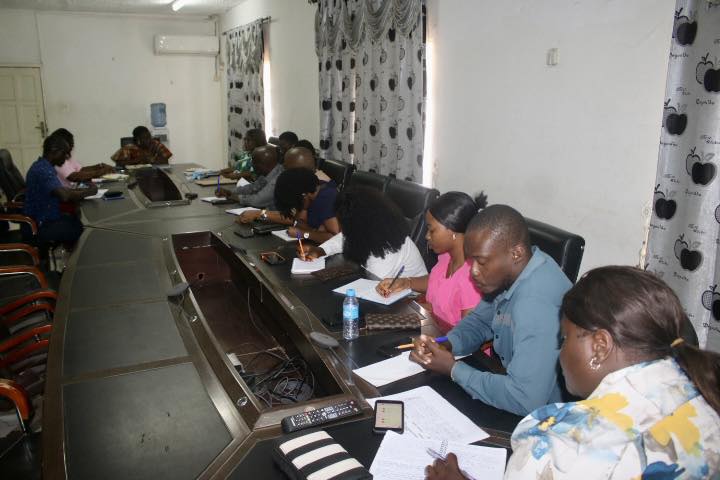
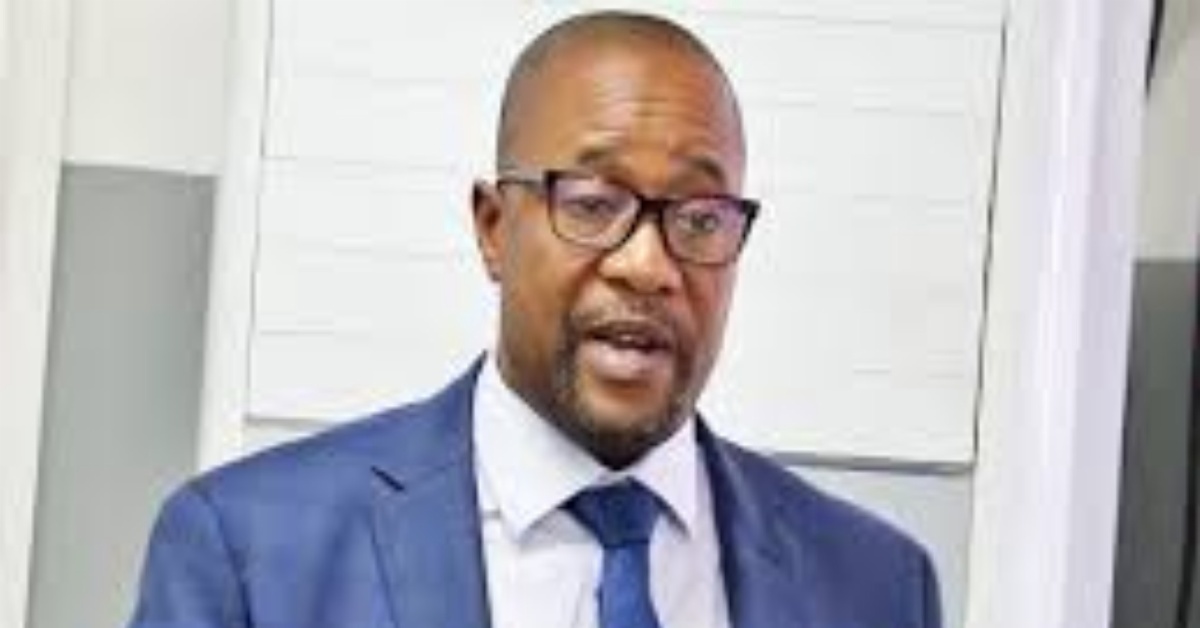

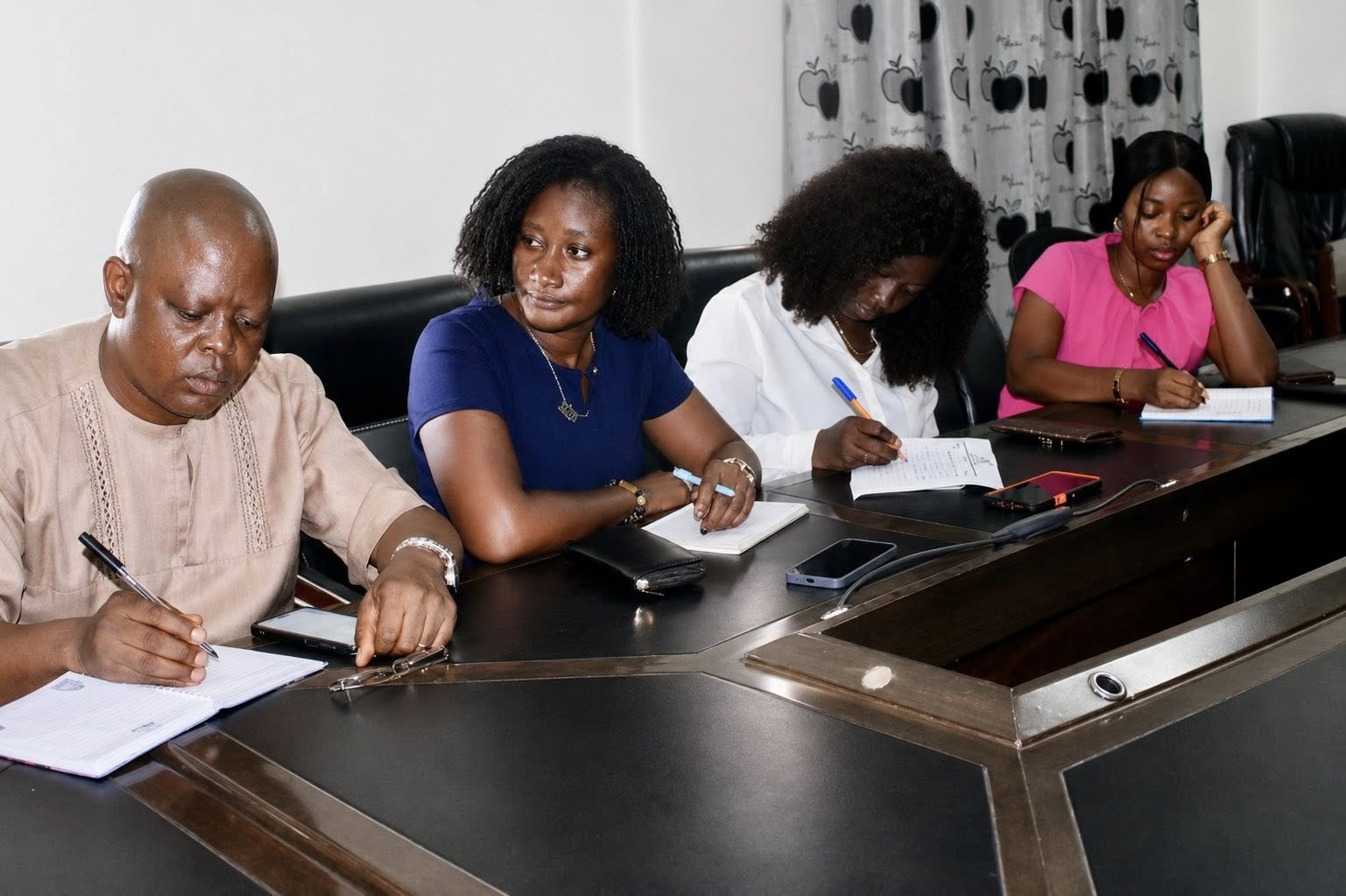
Responding to the report, the Director of Science Education at MTHE, Fatmata Kaiwa, acknowledged the critical role of education in supporting the reintegration of inmates into society. She confirmed that the ministry is working on plans to expand prison education programmes nationwide in collaboration with universities and the Sierra Leone Correctional Service. However, she pointed out that funding constraints and gaps in reliable data remain key challenges.
Also speaking, MTHE’s Director of Monitoring and Evaluation, Christiana Samu, linked the findings to broader national development priorities. She disclosed that prison education will now be incorporated into the ministry’s revised five-year strategic plan, with a focus on improving institutional coordination and delivery.
Beyond correctional centres, the HRCSL also raised alarm over the growing prevalence of drug abuse among young people, particularly the use of the substance known as “kush.” The Commission noted that many affected youths are between the ages of 14 and 15, with a significant number dropping out of school.
Officials called for urgent and coordinated interventions to address the issue, stressing the need to protect vulnerable young people and prevent long-term social consequences.
The Commission concluded by urging immediate but strategic reforms to expand access to education in correctional and probation centres, emphasizing that imprisonment should not mark the end of opportunities for learning, rehabilitation, and reintegration into society.