

Chief Minister Sengeh Clarifies Role of Police in New State Protection Service
 Osman Tolo Sesay
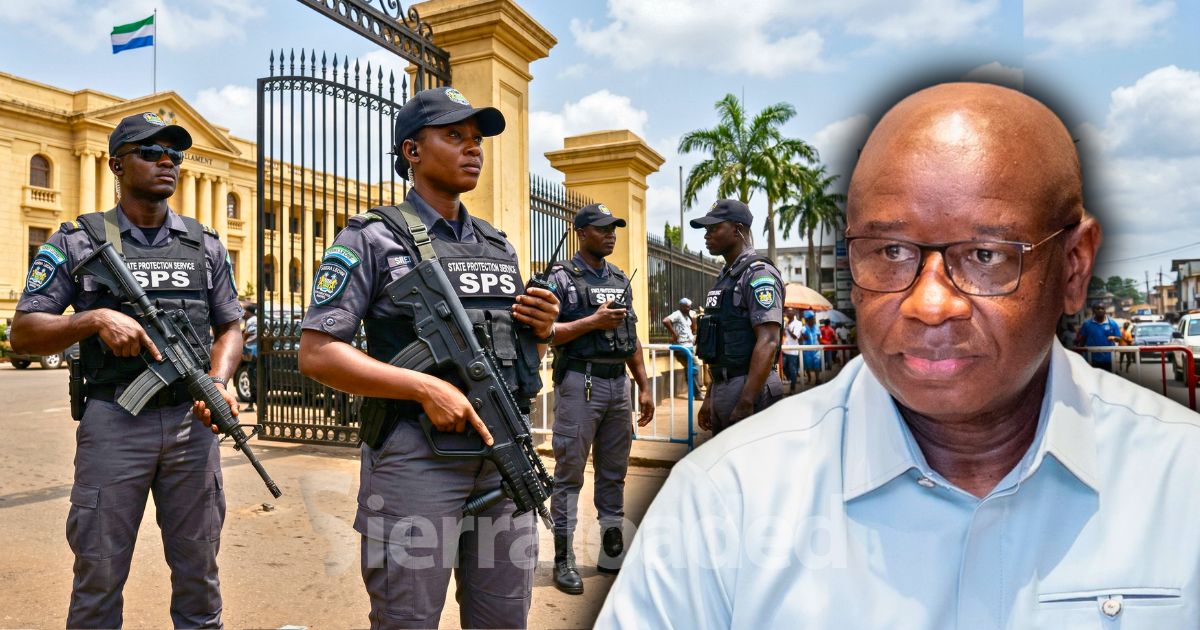
 Chief Minister David Moinina Sengeh has clarified the structure and operational framework of Sierra Leone’s newly established State Protection Service (SPS), addressing concerns about its composition and independence following parliamentary approval of the National Security and Central Intelligence Act 2026.
Speaking to journalists after the law was passed in Freetown, Sengeh explained that the SPS will be composed of a mix of seconded police personnel and newly recruited specialists with skills not currently available within existing security agencies. He emphasized that officers drawn from the police force will serve in the SPS on a temporary basis and will operate independently from their parent institution during their tenure.
According to Sengeh, once assigned to the SPS, these officers will no longer function as members of the police force until their term ends, at which point they will return to their original roles. The arrangement, he noted, is designed to ensure operational focus and professionalism within the new unit.

The SPS has been established with the mandate to provide protection for key state officials, including the President, Vice President, their immediate families, the Speaker of Parliament, the Chief Justice, government ministers, Supreme Court judges, former heads of state, and other individuals classified as designated VIPs. However, the legislation does not clearly define the criteria for determining who falls under the “designated VIP” category, an issue that has prompted public discussion.

Sengeh argued that prior systems for protecting national leaders lacked a clear legal foundation, making them difficult to sustain over time. He maintained that the formal establishment of the SPS under the new Act introduces a structured and legally backed approach that will enhance continuity in leadership protection.
Under the provisions of the law, the SPS operates under the authority of the President, who retains the power to appoint members to the national security council when necessary.
Officials say this framework is intended to streamline coordination while avoiding overlap with the roles of the police and military.
No amount of political theatrics will save the SLPP, it will go come 2028.