


 Post a comment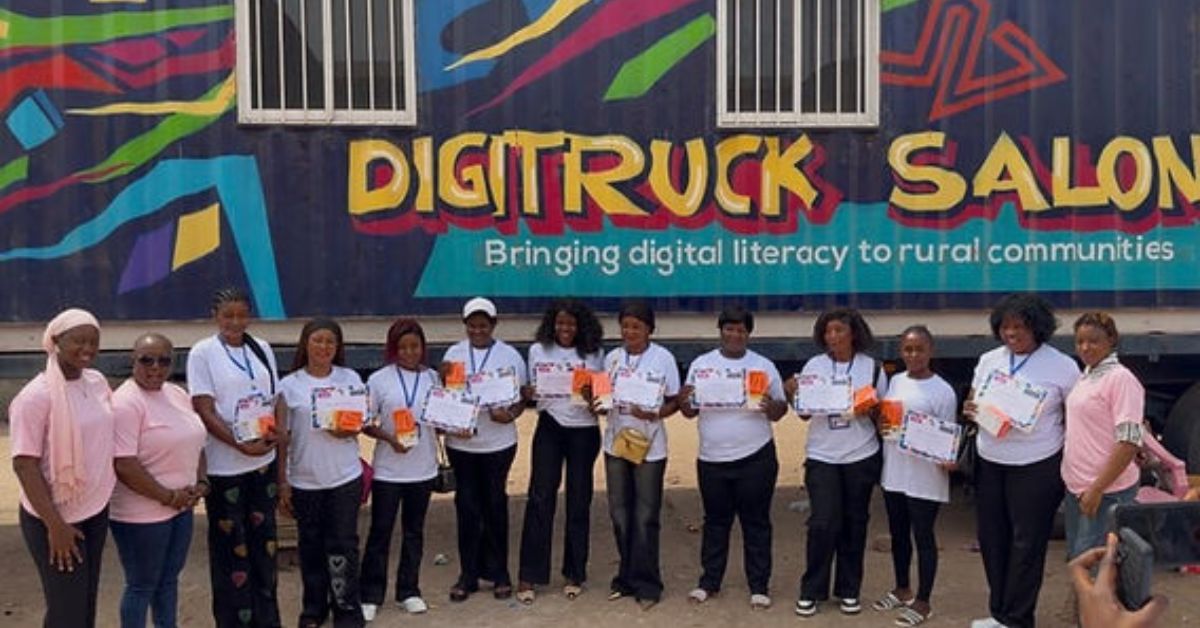
A total of 104 women and girls in Sierra Leone have successfully completed an intensive Digitruck training programme aimed at strengthening digital literacy and expanding access to technology, marking a significant step toward bridging the country’s digital divide.
The training sessions, conducted in the cities of Makeni and Kenema, focused on equipping participants with essential digital skills, including basic computer use, online safety, and the practical application of digital tools for education, communication, and income generation.
For many participants, the programme represented their first structured exposure to digital technology. While some had previously used mobile phones, they had limited experience with computers and the broader functions of the internet. The training therefore provided both foundational knowledge and hands-on experience, enabling participants to navigate digital platforms with greater confidence.

Organisers emphasised that the initiative goes beyond technical instruction. According to programme facilitators, the goal is also to foster a sense of belonging in the digital space among women and girls who have historically faced barriers to access. This approach aligns with the programme’s three core pillars: improving access, building skills, and creating opportunities.
Sierra Leone continues to experience uneven digital access, particularly among women and young people. Despite ongoing investments in telecommunications infrastructure, gaps in digital literacy remain a challenge, limiting participation in the country’s growing digital economy. Programmes such as Digitruck are designed to address these disparities by targeting underserved groups.
Participants reported immediate benefits from the training. Several indicated an improved ability to use digital tools for academic work, while others highlighted increased awareness of online safety practices. Some are already exploring ways to apply their new skills in entrepreneurial activities, including online business and digital services.
Beyond technical competencies, the programme has also contributed to a noticeable boost in confidence among participants. Trainees described feeling more capable of engaging with technology, pursuing further learning, and exploring new opportunities in education and employment.
Development experts note that improving digital literacy among women can generate broader socio-economic benefits. Increased digital participation has the potential to enhance household incomes, support small businesses, and contribute to community development.
In urban centres such as Makeni and Kenema, where youth unemployment and limited access to digital resources remain ongoing challenges, targeted interventions like the Digitruck programme are viewed as critical to long-term development efforts.
While the training of 104 participants represents a relatively small-scale intervention, stakeholders say it is a foundational step toward broader digital inclusion. Sustained investment and expansion of similar initiatives will be necessary to ensure that more people benefit from opportunities within the global digital landscape.
The programme’s impact is reflected not only in the acquisition of new skills, but also in a shift in how participants perceive technology from a barrier to an enabling tool for personal and professional growth.


