


 Post a comment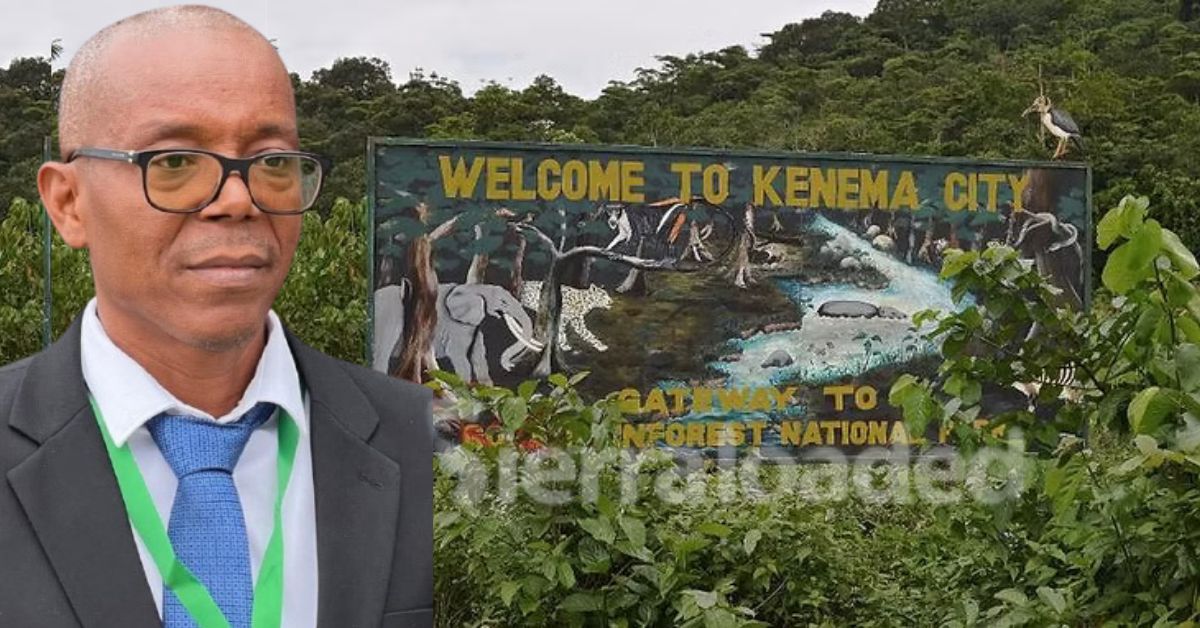
The Minister of Lands, Housing and Country Planning, Dr. Turad Senesie, has issued a strong warning against illegal encroachment and other unlawful activities within the Kambui Hills Reserve in Kenema, stressing that the government will take decisive action against violators.
Speaking during a stakeholders engagement in Kenema, Dr. Senesie said the Kambui Hills Reserve remains a protected national asset that plays a critical role in environmental protection, water catchment preservation and climate resilience for residents of Kenema and surrounding communities.
The engagement brought together local authorities, traditional leaders, security personnel, environmental stakeholders and community representatives to discuss growing concerns over unauthorized construction, deforestation, encroachment and other illegal activities threatening the reserve.

Dr. Senesie emphasized that the government would not tolerate any form of illegal occupation or development within the protected area, noting that individuals or groups found violating land and environmental regulations could face firm action.
He stated that protecting the reserve requires coordinated efforts among ministries, departments and agencies, adding that swamps must also be safeguarded against backfilling and other human activities that negatively affect the environment.
The Minister expressed concern over what he described as the rapid destruction of parts of the hills, warning that continued encroachment could result in serious environmental consequences, including flooding, environmental degradation and loss of biodiversity in the area.
He assured stakeholders that the Ministry of Lands, Housing and Country Planning would work closely with the local council, the security sector and other relevant institutions to enforce existing laws and immediately halt all illegal activities within the Kambui Hills Reserve.
According to Dr. Senesie, the engagement forms part of ongoing government efforts to protect environmentally sensitive areas across Sierra Leone and promote sustainable land management practices.
Community leaders and environmental advocates who attended the meeting also called for stronger monitoring mechanisms, increased public awareness campaigns and greater collaboration between government institutions and residents to preserve the reserve for future generations.


