

Health Ministry Turns to Paramount Chiefs in New Maternal and Child Health Initiative

 Osman Tolo Sesay
 The Ministry of Health has announced a new partnership with Paramount Chiefs across Sierra Leone aimed at strengthening community action against maternal and child deaths through local by-laws designed to improve healthcare access and boost immunization uptake.
The initiative forms part of the government’s “300 Days of Activism for Triple Zero Campaign,” which seeks to eliminate preventable maternal deaths, end preventable child deaths, and reduce the number of zero-dose children nationwide.
Speaking during a special town hall engagement in Lungi, Deputy Chief Medical Officer Dr. Mustapha Kabba described the collaboration as a critical component of the government’s multi-sectoral strategy to improve maternal and child health outcomes.

“As a ministry, we know we cannot achieve this alone,” Dr. Kabba said. “To provide quality healthcare services for everyone, we need good roads to medical facilities, reliable energy supply, access to water, and strong community support systems.”

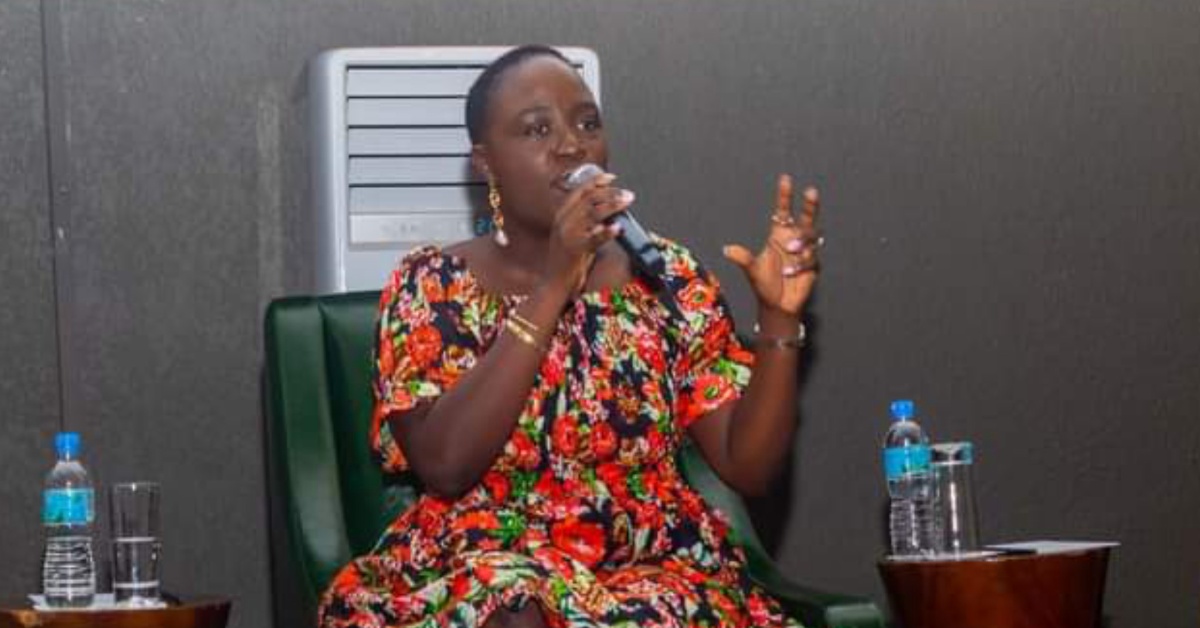

He disclosed that the Ministry has engaged Paramount Chiefs across the country, many of whom have pledged to introduce local by-laws encouraging pregnant women to seek early and consistent medical care.
“We are working closely with councils and Paramount Chiefs because local leadership is essential in achieving our goals,” he added. “The chiefs have committed to establishing by-laws that will support maternal and child healthcare in their communities.”
Under the proposed measures, pregnant women will be encouraged to attend regular antenatal care visits, with at least eight clinic visits expected before delivery. The by-laws will also promote routine immunization and postnatal healthcare services for children and mothers.
Minister of Information and Civic Education, Chernor Bah, said the partnership highlights the importance of collective national responsibility in addressing maternal and child health challenges.
“We all should take action to get to zero,” he said. “As community leaders, nurses, midwives, fathers, and mothers, we all have a responsibility to ensure that no child dies from a preventable condition and that no child is left behind.”
Government officials described the intervention as one of the most significant community-led public health mobilization efforts since the role traditional leaders played during the Ebola response.
Dr. Kabba credited the progress of the campaign to the leadership of President Julius Maada Bio and Health Minister Dr. Austin Demby, noting that the initiative has already started yielding positive results, particularly through changing health-seeking behaviors in remote communities more than 70 days after its launch.