

Finance Minister Bangura Warns Middle East Crisis Threatens Sierra Leone’s Economic Gains at London Summit
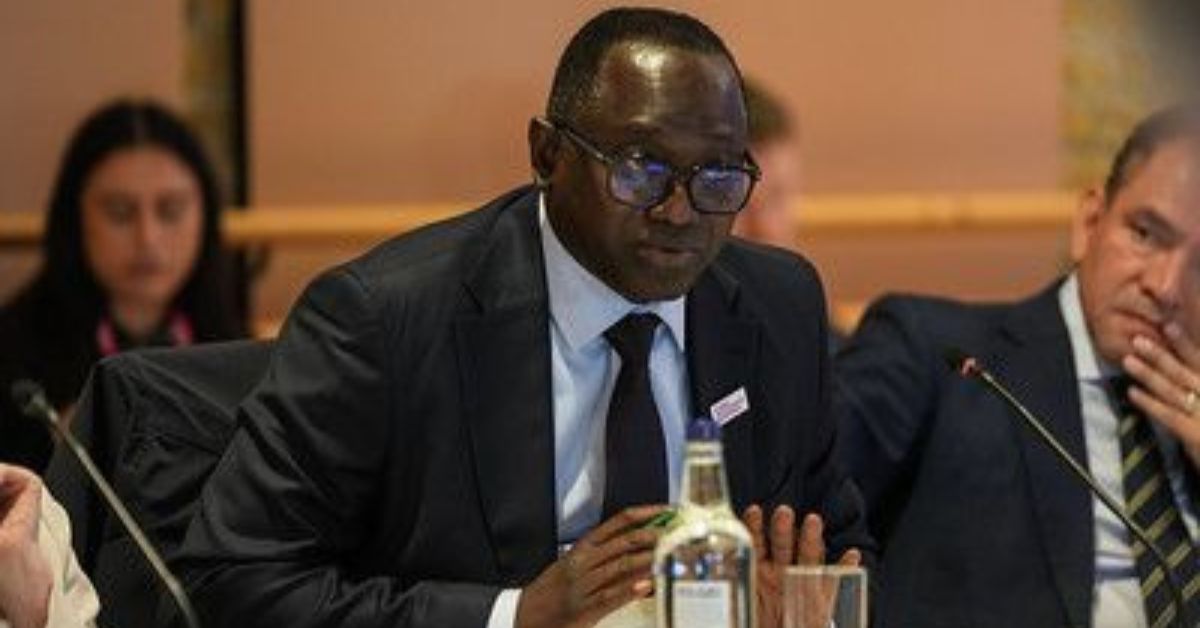
Sierra Leone’s Minister of Finance, Sheku Ahmed Fantamadi Bangura, has called on development partners to urgently support developing countries facing the economic consequences of the ongoing Middle East crisis, warning that the situation could threaten food security and reverse recent macroeconomic gains in Sierra Leone.
Minister Bangura made the appeal during the high-level Global Partnerships Conference held in London from 19 to 20 May 2026 at the invitation of the United Kingdom’s Minister of International Development, Baroness Chapman.
The conference brought together ministers, development agencies, international financial institutions and private sector representatives to discuss the United Kingdom’s new approach to development cooperation amid growing global concerns over the impact of the Middle East crisis on energy supplies and food systems.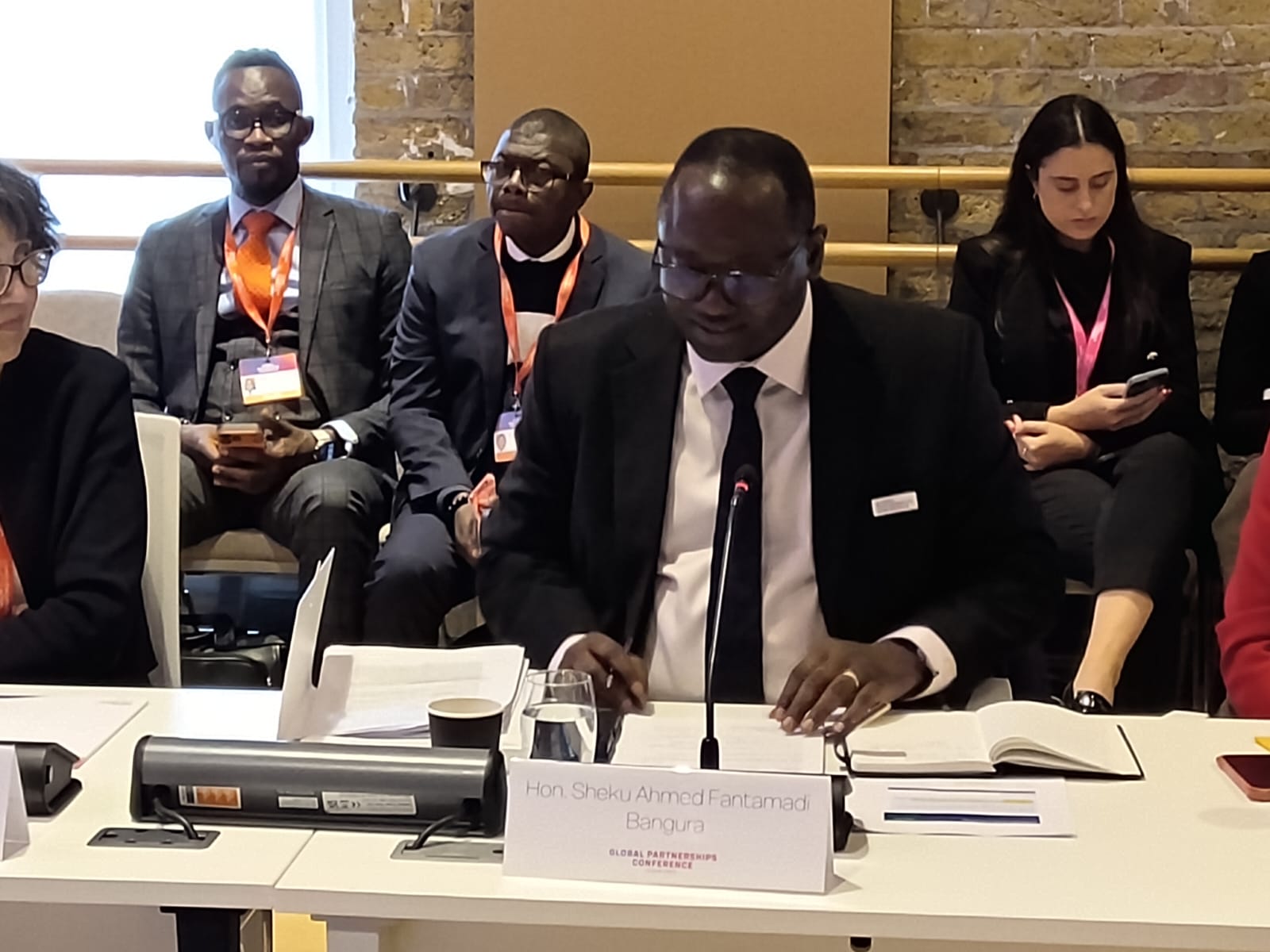

According to discussions at the conference, the crisis involving Iran has continued to affect global fertiliser markets and food security, raising concerns among developing countries that depend heavily on imports for agricultural production.


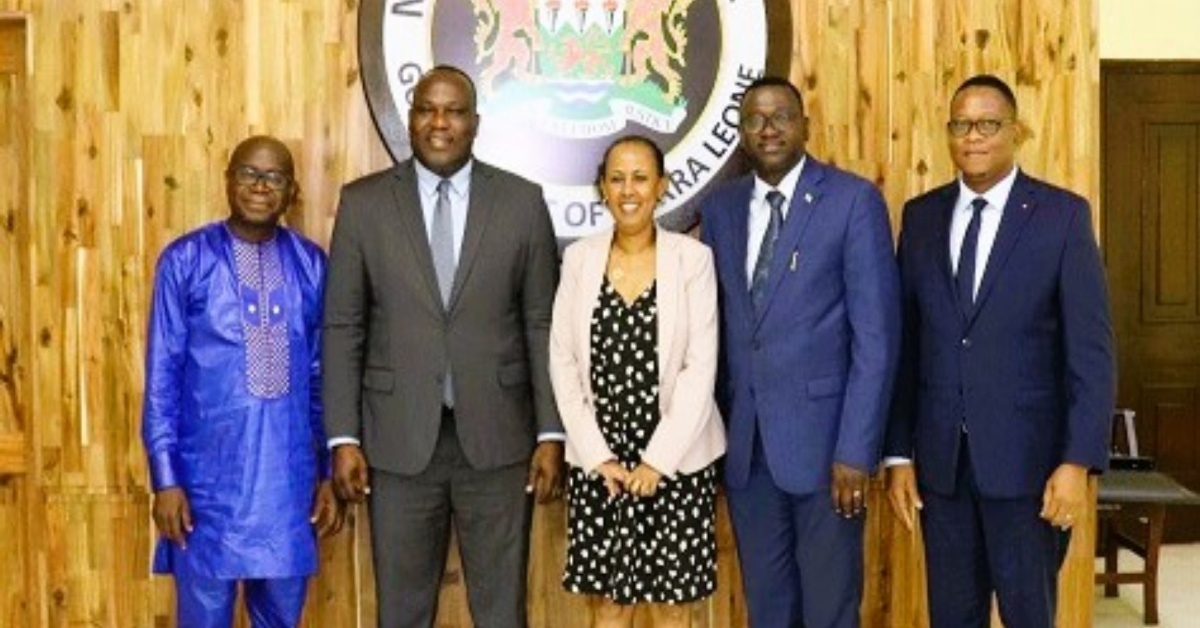
Speaking during a session on Outcomes-Based Financing: Modern Partnerships, Strengthened Results and Value for Money, Minister Bangura said the crisis in the Middle East poses a serious risk to Sierra Leone’s economy.
He stated that the ongoing situation has the potential to undo the progress Sierra Leone has made over the past two years in maintaining macroeconomic stability.
The Finance Minister explained that Sierra Leone remains highly dependent on imports and warned that rising prices and limited access to fertiliser could threaten both social stability and food security in the country.
He said the crisis would likely force developing countries to seek alternative sources of fertiliser, ammonia and urea, while urging development partners to respond with urgency.
Minister Bangura called for emergency concessional financing and advocated for a coordinated international approach to the procurement of key agricultural inputs to ensure fair distribution among developing countries.
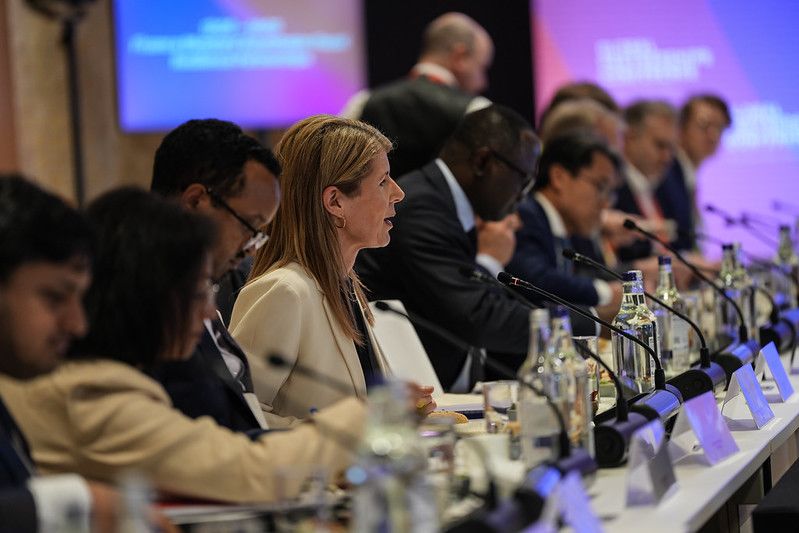
On outcomes-based financing, the Minister stressed the importance of including citizens’ voices in policy formulation to help ensure that development programmes achieve the intended results.
He also urged the United Kingdom government to demonstrate global leadership by increasing support to developing countries during the current global challenges.
The conference also featured discussions involving the UK Minister of State for International Development and Africa, Baroness Chapman, Interim Permanent Under-Secretary at the Foreign, Commonwealth and Development Office, Nick Dyer, President of the African Development Bank Group, Sidi Ould Tah, representatives of the Food and Agriculture Organisation, the World Food Programme, the World Bank, and other international financial institutions.
Minister Bangura also participated in the Fiscal Resilience Roundtable, where discussions focused on how development partners can support countries in increasing domestic revenue mobilisation, improving expenditure efficiency and strengthening debt management through coordinated international support.
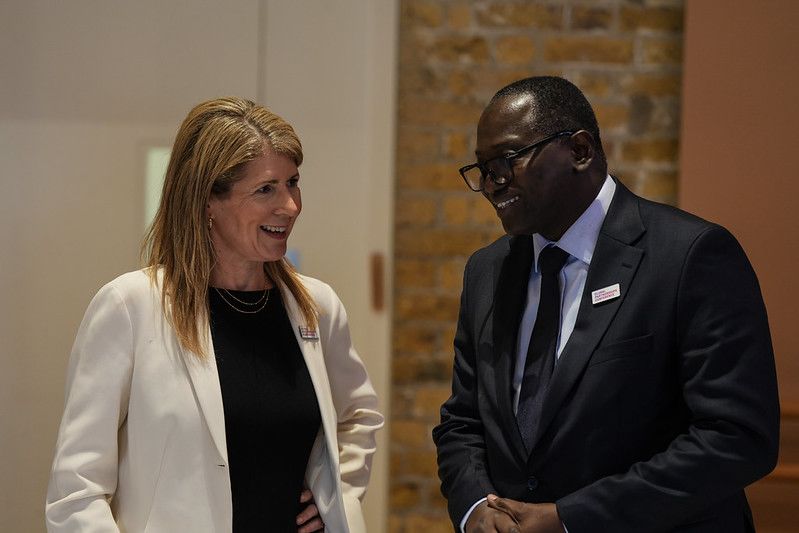
On the sidelines of the conference, the Finance Minister held bilateral meetings with Sidi Ould Tah, Phil Stevens, Director for International Finance at the UK Foreign, Commonwealth and Development Office, and Leslie Maasdorp.
My concern here is why the White folk is watching the Finance Minister in disbelief?