


 Post a comment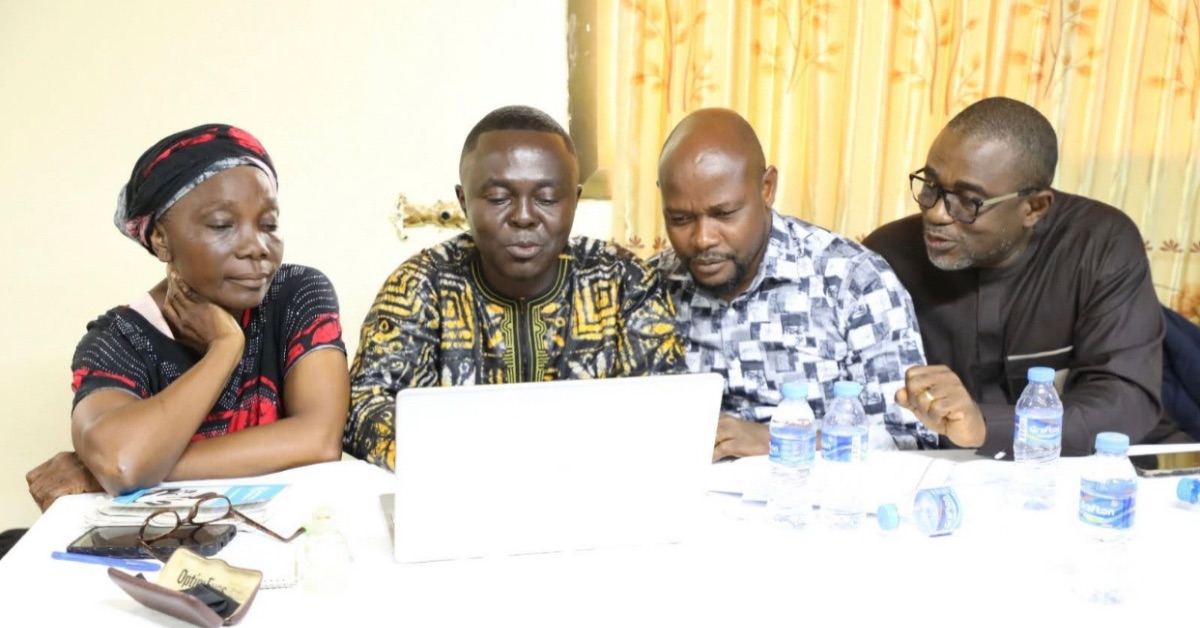
The Ministry of Agriculture and Food Security (MAFS), in collaboration with the Central and West African Virus Epidemiology (WAVE Sierra Leone) Institute, Njala University, research institutions and regulatory agencies, on Tuesday reviewed the country’s Cassava Viral Diseases Preparedness and Response Plan as part of efforts to strengthen Sierra Leone’s readiness against emerging cassava diseases.
The review workshop, funded by the European Union through the Biorisk Project, was held at the YWCA Hall opposite Youyi Building in Brookfields, Freetown, on 26th May 2026.
Speaking at the event, Chief Agricultural Officer at MAFS, Professor Abdulai Jalloh, said the review workshop was important because it provided an opportunity for key stakeholders to contribute to strengthening the country’s preparedness strategy against cassava viral diseases.

“This will allow us to prepare and strategically position resources in addressing cassava viral diseases, as cassava serves as an important economic crop for Sierra Leone,” Professor Jalloh stated.
He emphasized the significance of cassava to food security and the national economy, noting that proactive planning was necessary to protect the sector from potential disease outbreaks that could threaten production and livelihoods.
Country Director for WAVE Sierra Leone, Dr. Alusaine E. Samura, said the review and update of the preparedness and response plan followed simulation exercises conducted in Nigeria, Ghana, Ivory Coast and Gabon in 2022.
According to Dr. Samura, the experiences gathered from those countries highlighted the need for Sierra Leone to strengthen its preparedness before any outbreak occurs within its borders.
“We cannot wait until we are hit by this virus. Now is the best time to learn from the experiences of other countries and update our response plan,” he stressed.
Dr. Samura further warned participants about the growing risks posed by Cassava Brown Streak Disease (CBSD) and the Ugandan variant of the cassava mosaic viral disease, both of which continue to cause significant cassava crop losses in affected countries across Africa.
“CBSD has not yet reached the shores of Sierra Leone, but we need to be prepared for this potential trans-boundary pathogen,” he noted.
Assistant Director of Crops at MAFS, Dr. Raymonda Johnson, also underscored the importance of preparedness, particularly in the areas of data collection, information management and effective communication.
She said the workshop demonstrated the commitment of MAFS and its partners to protecting cassava production, improving crop quality and creating opportunities for export growth and foreign exchange earnings.
Dr. Johnson further stated that the engagement would help researchers and agricultural experts develop new techniques for managing emerging diseases and applying modern technologies in disease prevention and response.
The workshop brought together agricultural experts, researchers, policymakers and regulatory institutions to review existing response measures and identify strategies for improving national preparedness against cassava viral diseases that threaten food production and agricultural development in Sierra Leone.