

Parliament Passes New Act to Strengthen Sierra Leone’s Financial System
 Sia Lucy Kannah
 The Parliament of Sierra Leone has extensively debated and enacted, with amendments, the Bill entitled “The Credit Reference Act 2025,” aimed at strengthening the country’s financial system and improving access to credit.
The Bill, which was passed on Thursday, 28th May 2026, seeks to repeal and replace the Credit Reference Act of 2011. It provides a legal framework for the establishment and regulation of credit reference bureaus, sets conditions for credit reporting, and addresses other related financial matters.
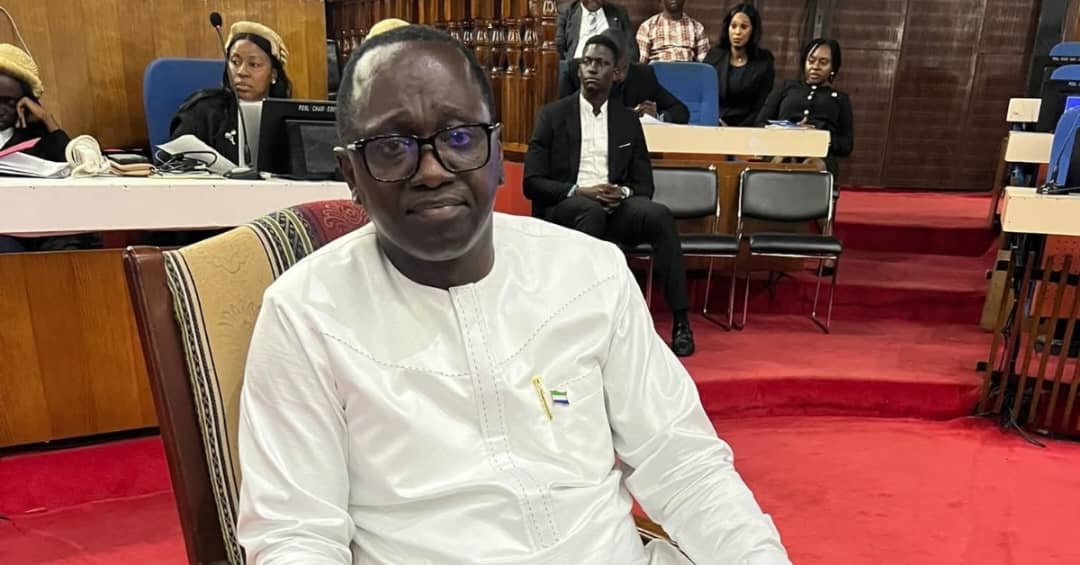
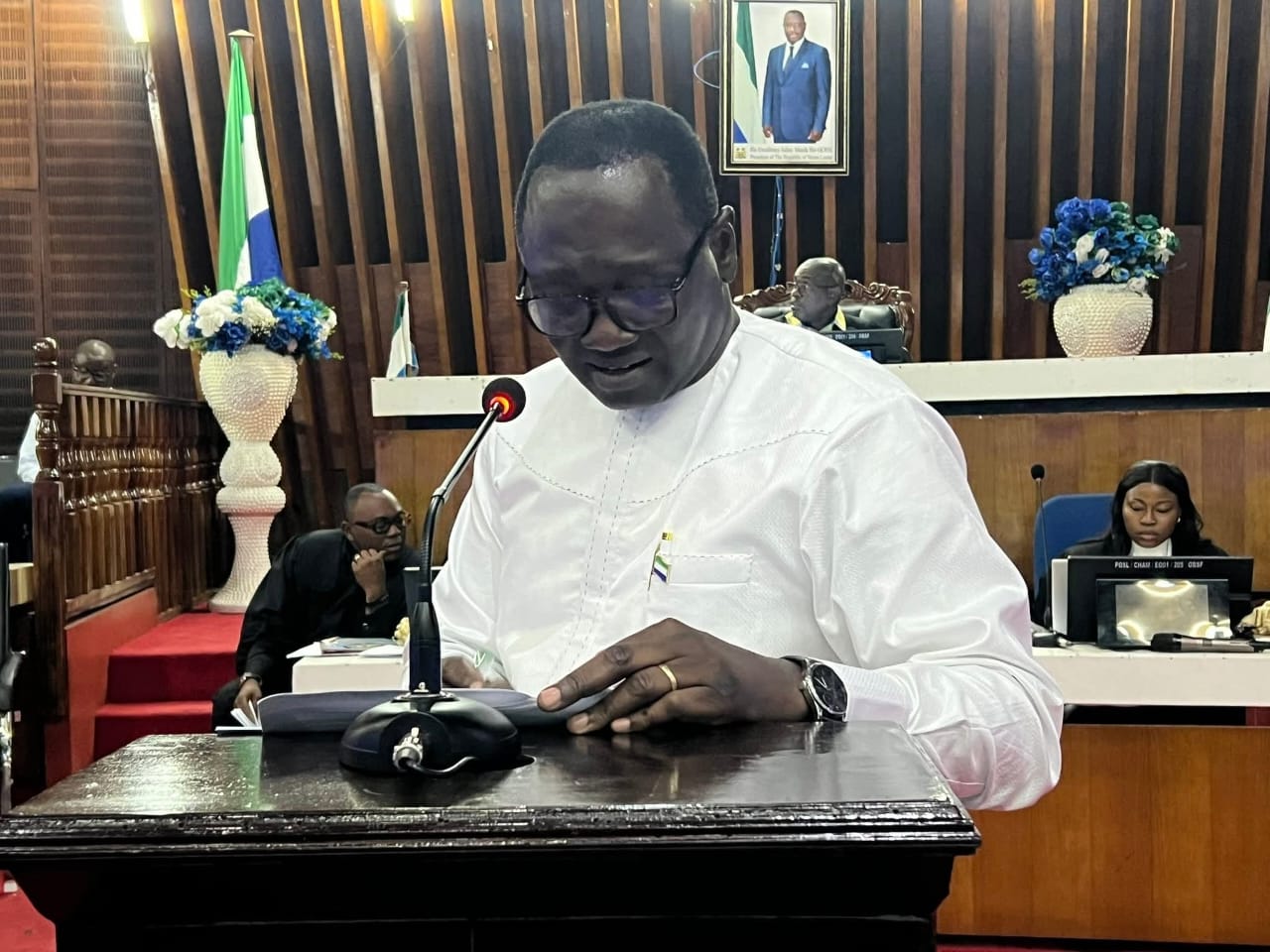
Presenting the Bill before Parliament, the Minister of Finance, Sheku Ahmed Fantamadi Bangura, said the legislation is designed to improve the country’s economic environment. He described it as a key step toward modernizing Sierra Leone’s financial infrastructure and empowering the economy.

The Minister explained that the primary objective of the Act is to establish a strong legal framework for the licensing and operation of credit reference bureaus in Sierra Leone. He added that the system will also allow credit bureaus to assess and express customers’ creditworthiness in numerical terms.



Contributing to the debate, the Deputy Leader 2 of Government Business, Hon. Saa Emerson Lamina, said Section 29 of the Act imposes obligations on credit facilities and enhances transparency and accountability within the financial sector.
He noted that the new law is expected to strengthen public confidence and expand access to finance for farmers, youths, miners, and other groups that have traditionally faced challenges in accessing credit.
Hon. Lamina further linked the legislation to the government’s flagship “Feed Salone” initiative, stating that improved access to credit would enable young people engaged in agriculture to expand cultivation, including inland valley swamps, crop production, and livestock farming.
Rounding off the debate, the Leader of the Opposition, Hon. Abdul Kargbo, described the enforcement capacity of the Act as weak and called for stronger implementation measures from government. He urged that attention be given to protecting low-income earners and businesses.
However, he acknowledged the benefits of the legislation, noting that it would improve access to credit and enable banks to better assess financial risks. “Borrowers with a credit history can access loans more easily,” he said, adding that the Bill provides for regulatory oversight by the Bank of Sierra Leone.
“As an opposition, we are not averse to this Bill,” he stated.
Concluding the debate, the Acting Majority Leader of Government Business, Hon. Mathew Sahr Nyuma Silikie, described the Act as essential for boosting economic growth and addressing long-standing challenges in loan distribution by financial institutions. He expressed optimism that outstanding concerns would be addressed at the committee stage.
Responding to concerns raised by Members of Parliament, the Minister of Finance assured the House that all issues raised during deliberations would be carefully addressed during implementation.
WASTE OF TIME! PARLIAMENT SHOULD BE MAKING LAWS TO SEND PEOPLE LIKE MAADA BIO DOWN THE GALLOWS WHOSE WIFE SAID HE HAS A PHD FOR COUP DETAT, AND INFLICTING UNTOLD FINANCIAL CRISIS ON SIERRA LEONEANS. IMAGINE AN ILLEGITIMATE PRESIDENT FYING A PRIVATE JET AT LEAST TWICE MONTHLY THEREBY LOOTING THE COUNTRY’S TREASURY. R BEG, STOP WASTING OUR TIME READING ALL THIS NONESENSE ABOUT SIERRA LEONE PARLIAMENT. THE LAW MAKERS IN SIERRA LEONE ARE TERRIBLE