

Morris Criticises Silence of Revolutionary Musicians Amid Economic Hardship
 Sorie Abubakar
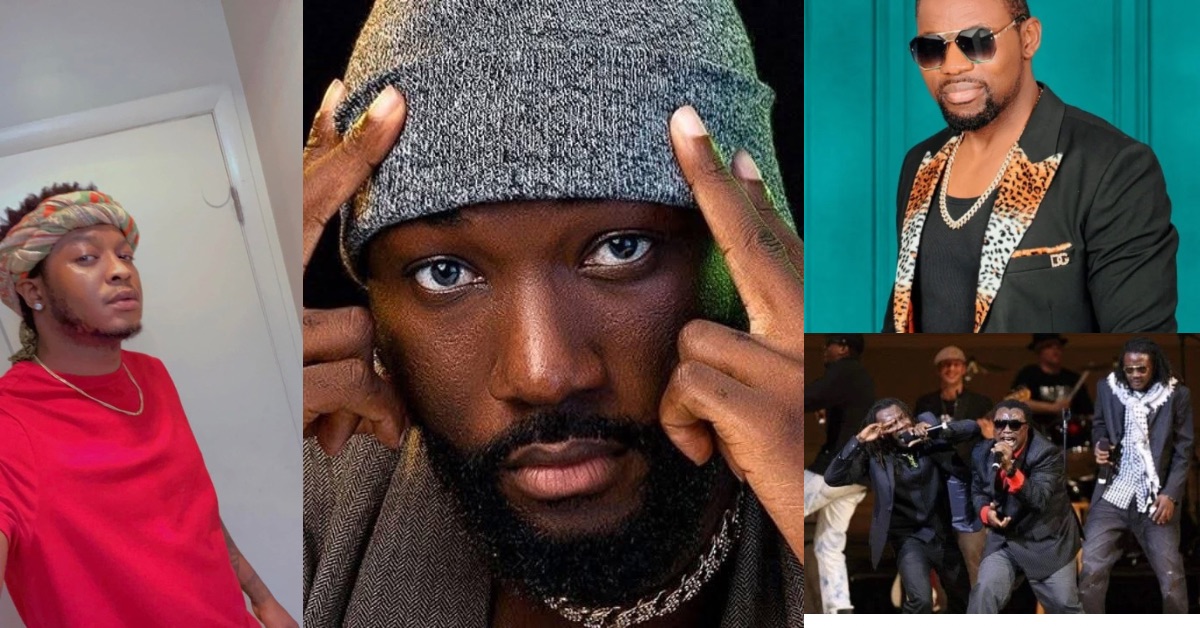
 Sierra Leonean R&B artist Morris Kamara has publicly expressed disappointment over what he describes as the silence of the country’s revolutionary musicians in the face of ongoing economic and social challenges affecting citizens.
In a Facebook post, Kamara questioned the apparent lack of advocacy and protest songs from artists traditionally known for addressing governance and social justice issues through their music.
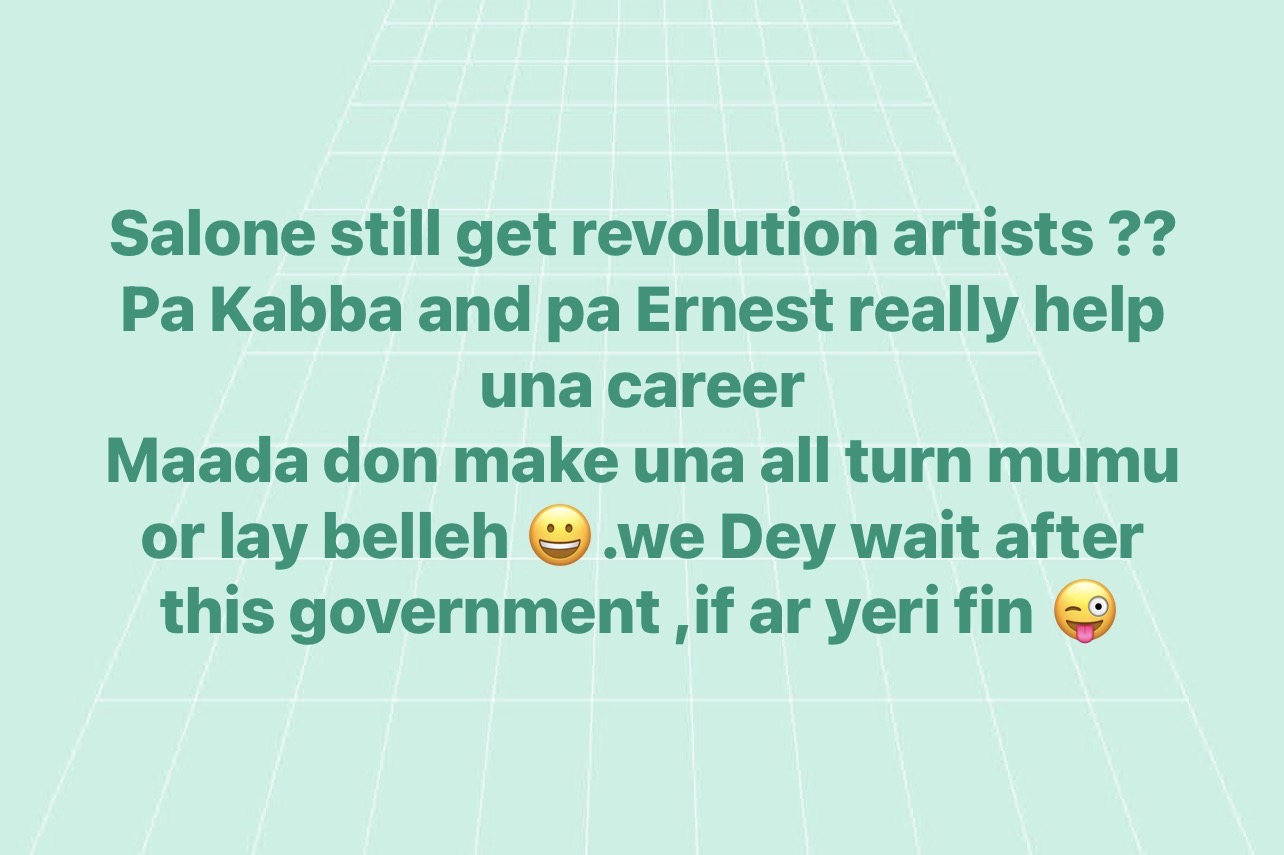

According to the singer, some revolutionary musicians who were outspoken during the administrations of former presidents Ahmad Tejan Kabbah and Ernest Bai Koroma have become noticeably quiet despite the hardships currently being experienced by many Sierra Leoneans.
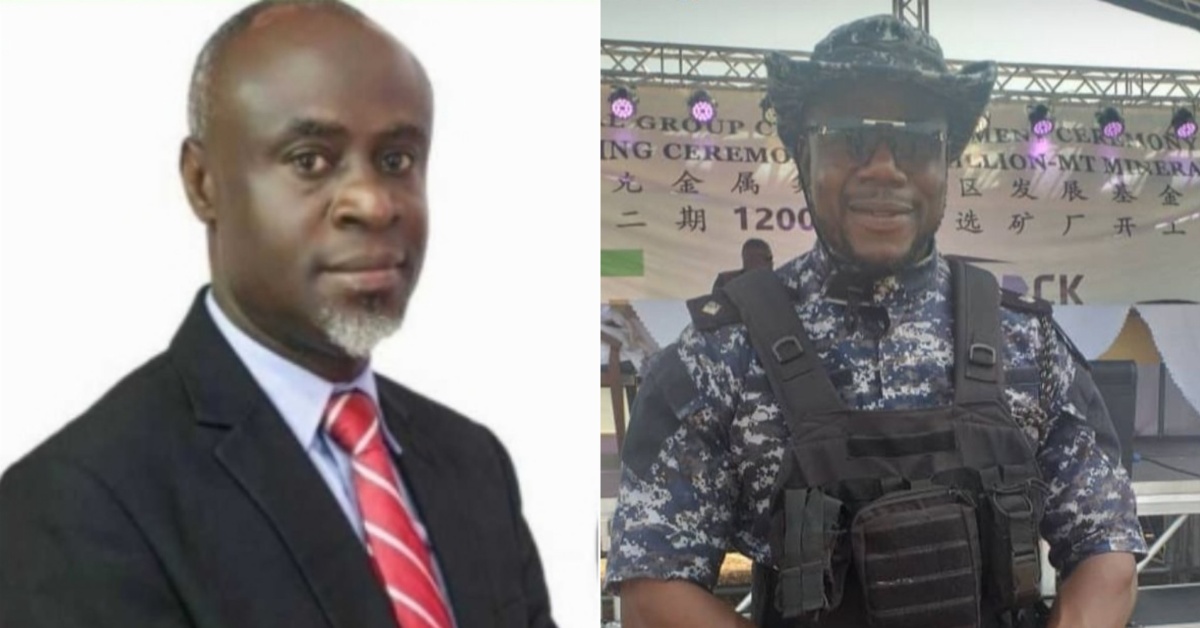
Kamara further alleged that several of these artists are now benefiting from government patronage, making them reluctant to criticise the current administration. He argued that their silence contrasts sharply with their previous activism and public commentary on national issues.
The musician also warned that those remaining silent during the tenure of President Julius Maada Bio should maintain the same stance after the current administration leaves office.
His comments have sparked discussions on social media about the role of musicians in national discourse and whether artists have a responsibility to speak out on issues affecting ordinary citizens.
Over the years, Sierra Leone’s revolutionary music movement has played a major role in shaping public opinion and promoting civic engagement. Artists such as Amidu ‘Emerson’ Bockarie and Daddy Saj have used their platforms to address governance, corruption, social justice and national unity, earning recognition as influential voices in the country’s political landscape. Their contributions highlight the importance of revolutionary music not only as a tool for accountability but also as a means of advocating for peace, national development and constructive dialogue among citizens.
Emerson Don turn 1×0, d iron Don ben