UNICEF and Education Ministry Design Flexible Learning Pathways for Out-of-School Children
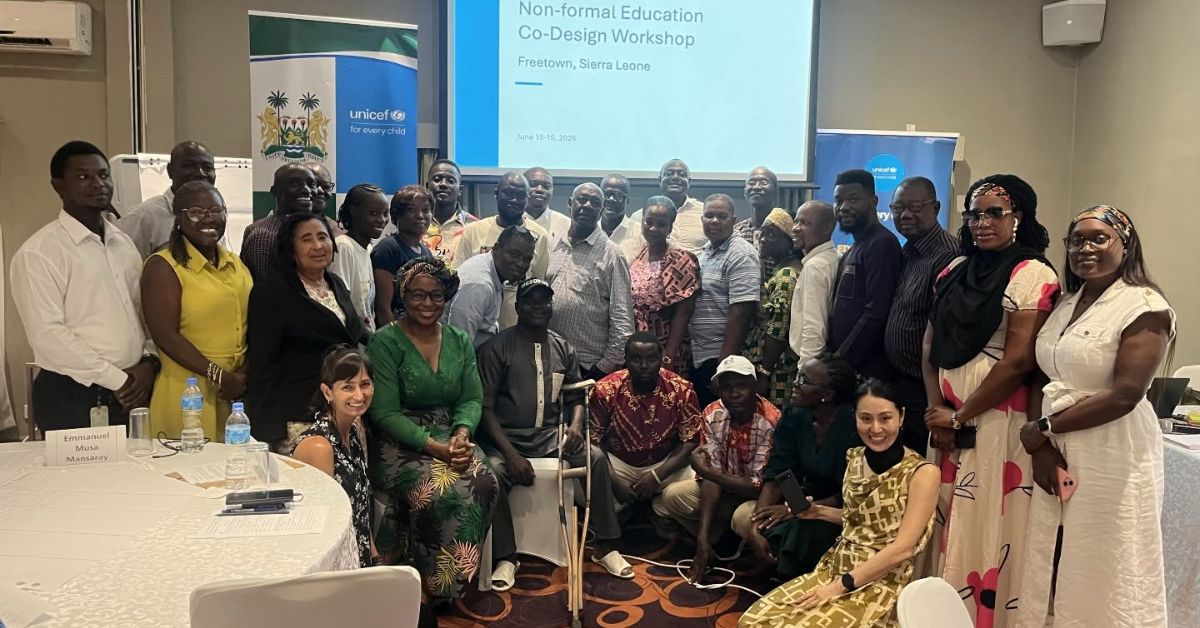
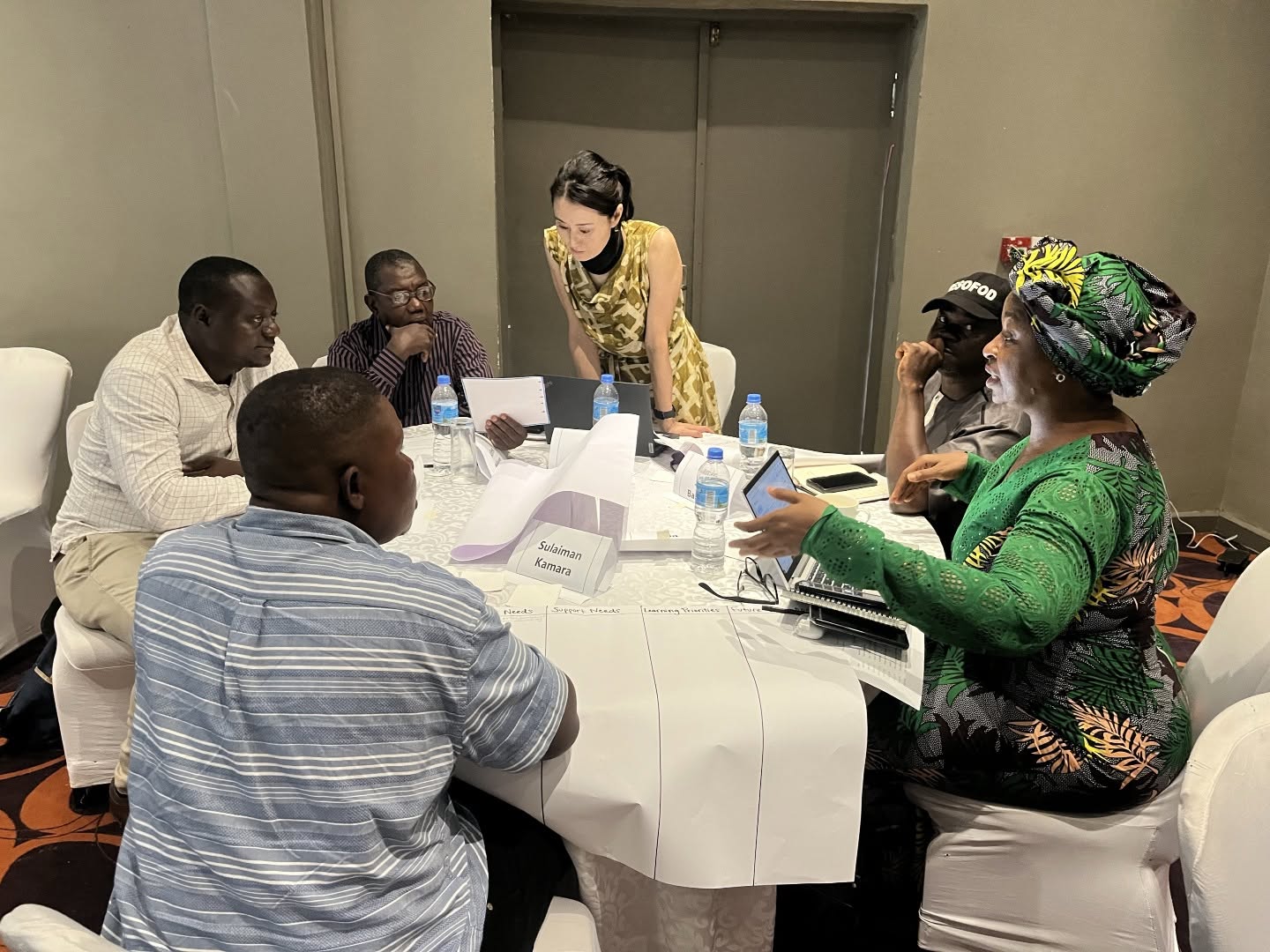
The United Nations Children’s Fund (UNICEF), in collaboration with the Ministry of Basic and Senior Secondary Education (MBSSE) and education partners, has convened a Co-Design Workshop aimed at developing flexible and inclusive learning pathways for children and adolescents currently out of school.
The workshop, held to translate findings from a recent nationwide non-formal education assessment into practical action, focused on designing community-driven solutions that respond to the real-life circumstances, needs, and aspirations of learners outside the formal education system.
The assessment identified persistent gaps in access, relevance, and continuity for learners unable to participate in conventional schooling, highlighting the need for more adaptive education models across the country.

The Co-Design Workshop brought together government officials, education practitioners, community leaders, civil society actors, and development partners. Participants worked collaboratively to convert evidence from the assessment into actionable learning pathways that are flexible in time, location, and content while remaining aligned with national education standards.


Key barriers to learning identified included economic hardship, caregiving responsibilities, geographic isolation, and limited access to nearby learning facilities. Participants prioritised solutions aimed at removing these obstacles and expanding opportunities for underserved learners.
During the workshop, stakeholders explored several alternative delivery approaches, including community learning hubs, accelerated learning programmes, blended digital and face-to-face instruction, and vocationally oriented micro-courses that can be stacked toward certification.
A strong emphasis was placed on modular learning systems that allow learners to enter, pause, and re-enter education pathways without losing academic progress. The proposed models also prioritised foundational competencies such as literacy, numeracy, and life skills, alongside pathways to employment and livelihood opportunities.
Participants further stressed the importance of contextualised content, including the use of local languages, culturally relevant examples, and practical, hands-on learning experiences linked to local economic opportunities.
Partners at the workshop committed to piloting selected learning models in targeted districts. The next phase will focus on implementing these approaches, training facilitators, developing learning materials, and strengthening assessment tools to measure learner outcomes.
Stakeholders also identified sustained political commitment, community ownership, and predictable financing as critical factors for the success and long-term sustainability of the initiative.
The Co-Design Workshop marks a transition from research findings to implementation, as the Ministry of Basic and Senior Secondary Education, UNICEF, and partners seek to reshape access to education for vulnerable children and adolescents.
By prioritising flexibility, inclusion, and relevance, the initiative aims to ensure that out-of-school learners are not left behind and are provided with meaningful opportunities to acquire skills, complete education pathways, and improve their future prospects.