
Dutch Prime Minister Pushes EU to Cut Sierra Leone Aid Over Refusal to Extradite Jos Leijdekkers
 Tolulope Aina
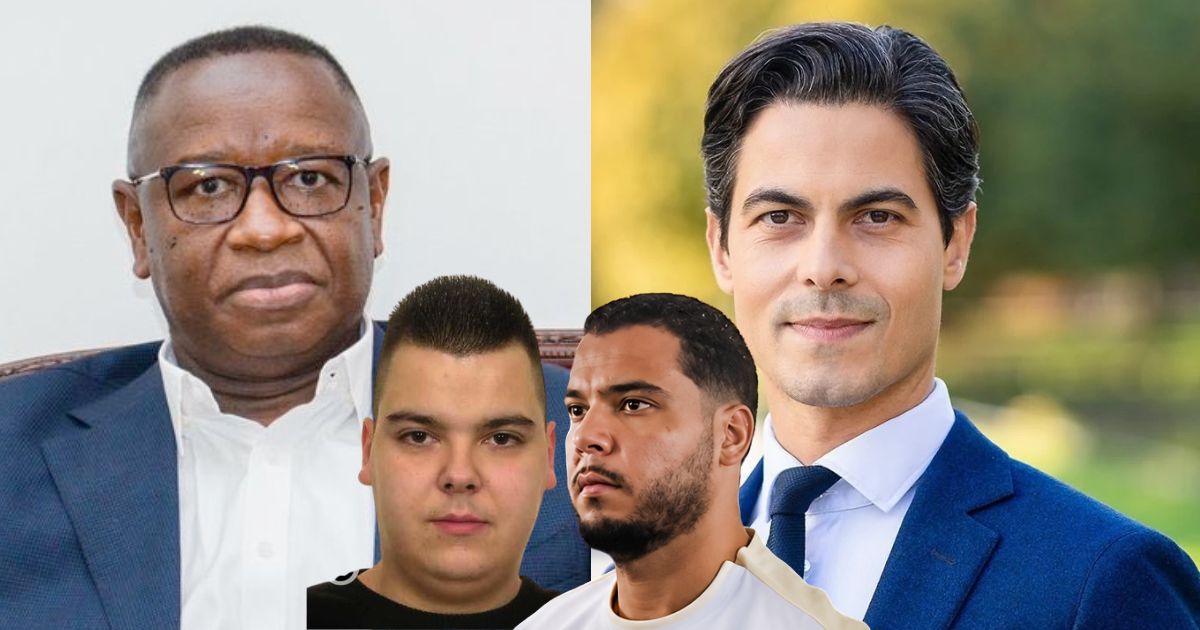
 Dutch Prime Minister Rob Jetten has announced that the European Union will take tougher action against countries harbouring fugitive drug criminals, with Sierra Leone facing potential cuts to development aid unless it extradites convicted cocaine trafficker Jos Leijdekkers, also known as “Bolle Jos”.
Speaking after an EU summit on Friday, Jetten expressed confidence that leveraging EU aid would increase pressure on the Government of Sierra Leone.
Jetten emphasized that the Netherlands specifically requested this unified European approach to increase the diplomatic and financial pressure on uncooperative states. He noted that there are several countries that need to do more to combat the international drug trade, but Sierra Leone is currently a primary focus.

When asked if the threat of financial repercussions would force Sierra Leone’s hand, Jetten expressed confidence in the strategy.
“Absolutely, because Sierra Leone is also very largely dependent on support, not only from the Netherlands but also from other European countries,” Jetten stated. “And then it is also good if we, with 27 member states, say, we also expect you to cooperate in complying with judicial orders.”
While Jetten acknowledged that it remains to be seen whether the extradition is imminent, he assured the public that his administration remains relentless.
“You can count on the Dutch government at least doing everything it can to eventually bring serious and wanted criminals to justice,” he concluded.
Leijdekkers, 34, is one of Europe’s most wanted fugitives, having been sentenced in absentia by Dutch and Belgian courts to a combined 80 years in prison for cocaine smuggling and crimes including assault, armed robbery, and ordering an assassination attempt. He has been on the run for years.
Investigative reports have revealed that Leijdekkers has been residing in Sierra Leone for at least two years. Reports says that he is in a relationship with a daughter of President Julius Maada Bio, a connection that observers say may be complicating efforts to secure his extradition.
The Netherlands submitted a formal extradition request to Sierra Leone in February 2025, which was received by the country’s Attorney General. At the time, Information Minister Chernor Bah confirmed the request had been received and stated that any extradition would require a court ruling .
Sierra Leone’s police chief has acknowledged that the man described in media reports as Leijdekkers is known to authorities as “Umar Sheriff,” but has stated that despite conducting raids, police have not yet located him.
The Netherlands and Sierra Leone do not currently have an extradition treaty, further complicating the legal process.
Dutch Justice Minister David van Weel has made Leijdekkers’ arrest one of his top priorities. In early May, he engaged in diplomatic talks with his Sierra Leone’s Attorney General Alpha Sesay, but received what he described as the same answer he has been hearing for six months: “We are working on it, procedures are in progress, the police report is almost complete”.
Van Weel expressed frustration with the lack of progress, stating that he has no illusion that the situation can be resolved through political channels alone.
“It is, of course, bizarre that we facilitate or support a country that at the same time offers a safe haven to one of the biggest drug criminals we know worldwide,” Van Weel said in a television interview.
Justice Minister Van Weel expressed hope for “swift action” from Sierra Leonean authorities in the fight against international organised crime.
The European Commission has allocated €352 million in grants to Sierra Leone for the 2021-2027 period, with the country also benefiting from various regional and international EU programmes. The Netherlands provides almost no direct bilateral aid to Sierra Leone, meaning any funding suspension would require backing from the European Commission and other EU member states .
the world politics is an interesting one. Netherlands refused to extradite Adebayor who is responsible for killing of 100s of people including looting and burning of police station. Yet he lives under your protection officially. Now Jolles or whatever is called is not an official resident here with only rumours circulating and Netherlands who is not a direct bilateral donor with SL threatens us. This is bullying. send us Adebayor and we will go in search of Jolles and send him over, if not , no deal. you cant threaten us with loan cut-offs.