


 Post a comment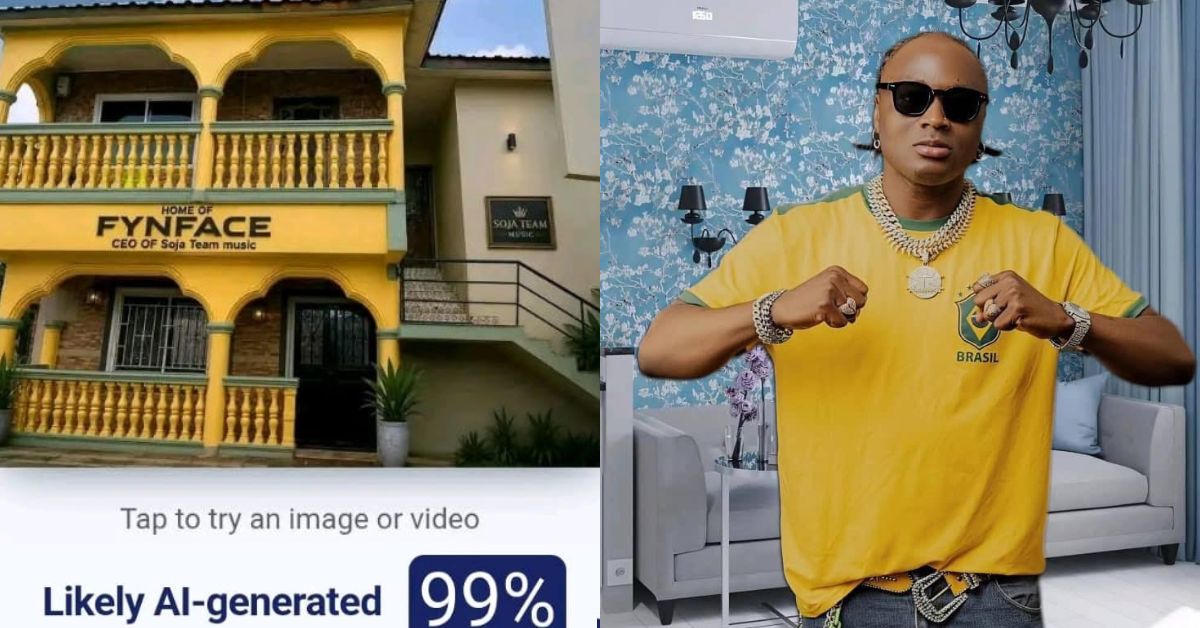
Sierra Leonean artist Fynface has dismissed online claims that a photograph of a house he posted on Facebook was generated using artificial intelligence, insisting the property is real and was largely financed through his music career.
The exchange has sparked wider discussion on authenticity, image manipulation, and how public figures manage perception online.
A recent Facebook post showing a newly completed house drew skepticism from social media users, who argued that the image displayed signs of AI manipulation. The debate quickly escalated as commenters analyzed visual details and circulated comparisons, turning what was intended as a personal milestone into a public controversy.

Alleged AI House
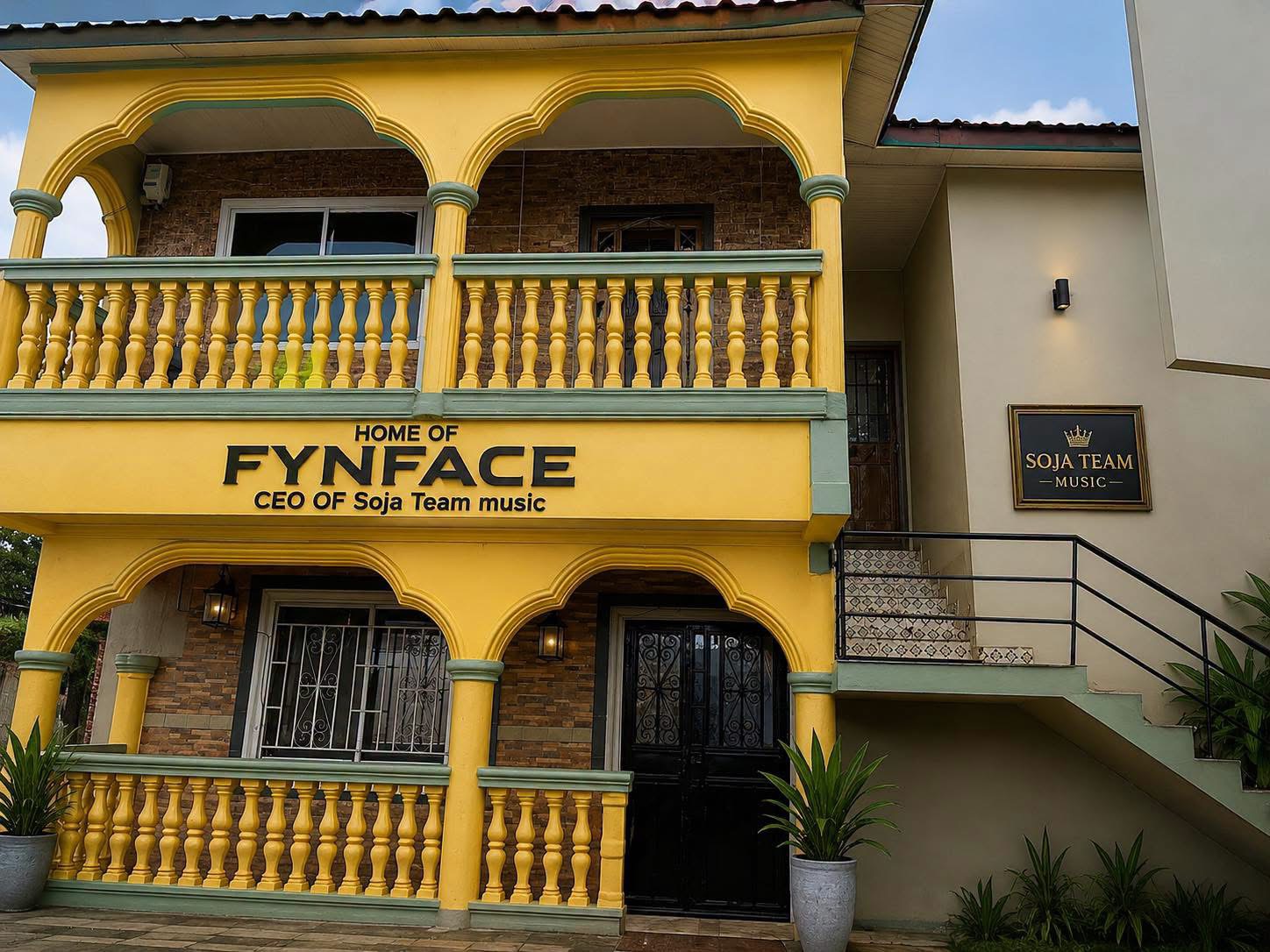
In a follow-up statement on his Facebook page, Fynface acknowledged that the image “has some AI features” but maintained that the house itself is genuine. He stated that he built it “from the ground up in about four years, little by little, with about 90% of the money coming from music directly or indirectly.” He added: “If you are still thinking that it is an AI photo, then that is your own problem. I am done with this matter.”
The incident reflects growing tensions in the digital age, where image editing and AI tools increasingly blur the line between authenticity and perception. For artists whose reputations depend heavily on public trust, even minor questions about digital alteration can generate significant scrutiny.
Rather than continue the dispute, the artist shifted attention back to his music, announcing a seven-track EP scheduled for release. The move reframes the narrative toward his creative work, rather than the controversy surrounding the image.
Overall, the episode highlights how quickly online speculation can overshadow personal milestones, particularly in an era where digital authenticity is constantly questioned.

Original House


