Post a comment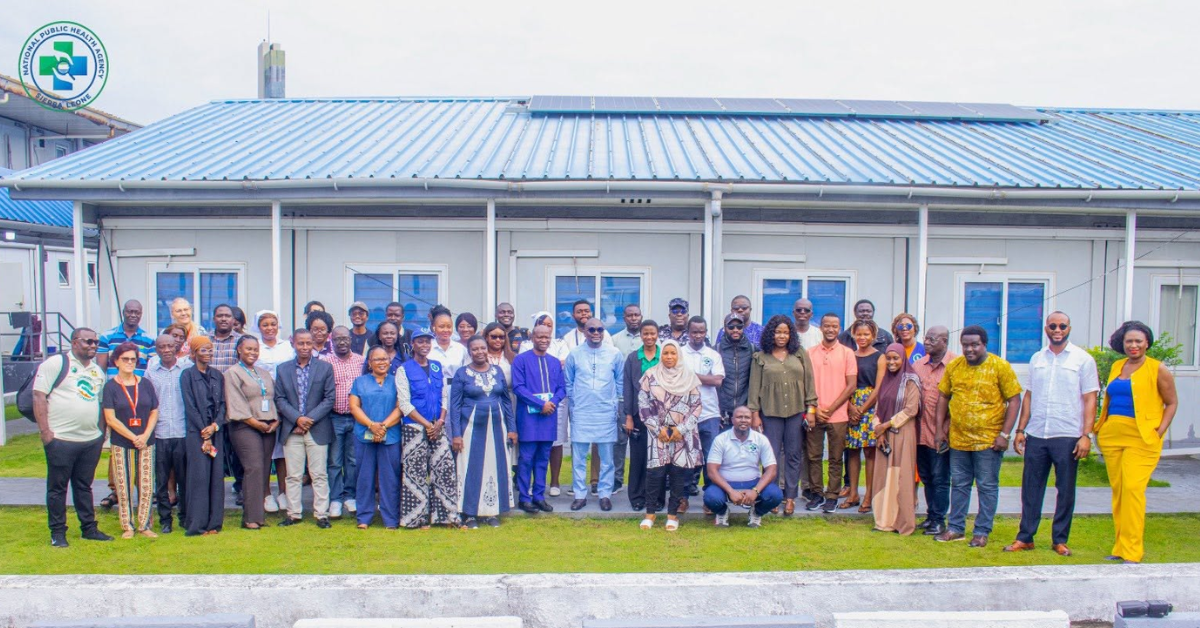
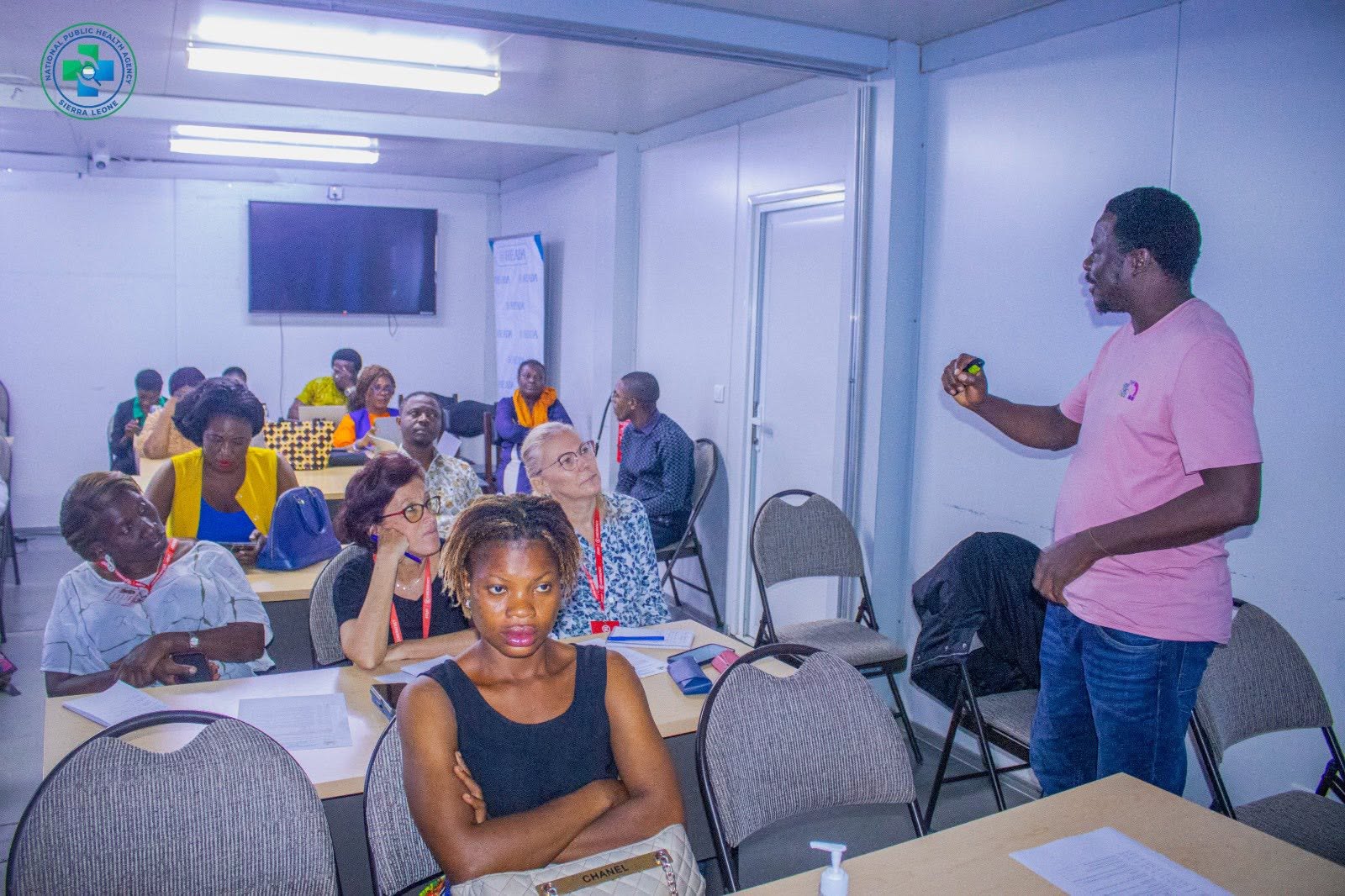
The National Public Health Agency (NPHA), in collaboration with the Ministry of Health and with support from Jhpiego, has held a one-day integrated orientation for clinicians and case investigators on Ebola Virus Disease (EVD) preparedness and surveillance at the EOC II Conference Hall on Wilkinson Road.
The session focused on strengthening practical skills and coordination to ensure rapid detection and safe management of suspected Ebola cases.
The orientation brought together frontline clinicians and surveillance officers to bridge gaps between clinical care and field investigation. Organisers said the training was designed to improve case detection, enhance the quality of investigations, and reduce transmission risks through stronger infection prevention and control measures.

Participants received expert-led briefings and engaged in interactive exercises covering surveillance protocols, case detection, case investigation, infection prevention and control, case management, and risk communication. The hands-on training included simulated scenarios designed to test reporting procedures, specimen handling, and safe patient transfer.
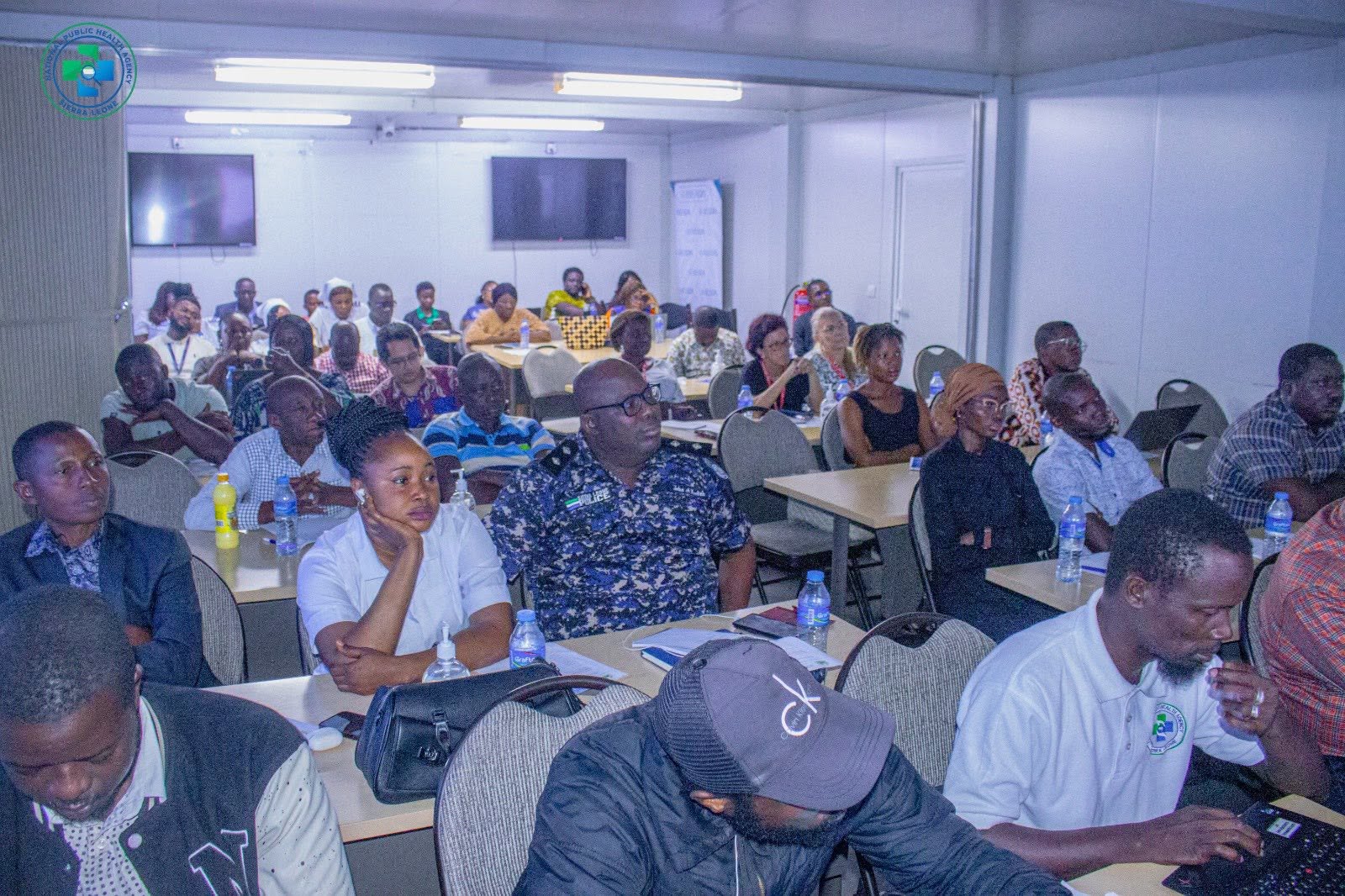
Organisers said bringing clinicians and case investigators together was a deliberate strategy to strengthen collaboration and streamline response efforts. They noted that improved communication between clinical and surveillance teams reduces delays in confirming suspected cases and enables faster public health interventions at community level.
Officials further emphasised that preparedness training strengthens the resilience of the health system by ensuring health workers are better equipped to respond to outbreaks. They highlighted the importance of maintaining strong infection prevention systems, diagnostic readiness, and effective risk communication to sustain public trust and encourage timely health-seeking behaviour.
The NPHA expressed appreciation to the Ministry of Health, Jhpiego, facilitators, and participants for their commitment to strengthening national preparedness.
Officials said the orientation forms part of an ongoing programme of refresher trainings, mentorship for surveillance teams, and community engagement activities aimed at ensuring sustained readiness to respond to emerging public health threats.