EU Reviews Progress on Bombali Road Rehabilitation and Entrepreneurship Hub
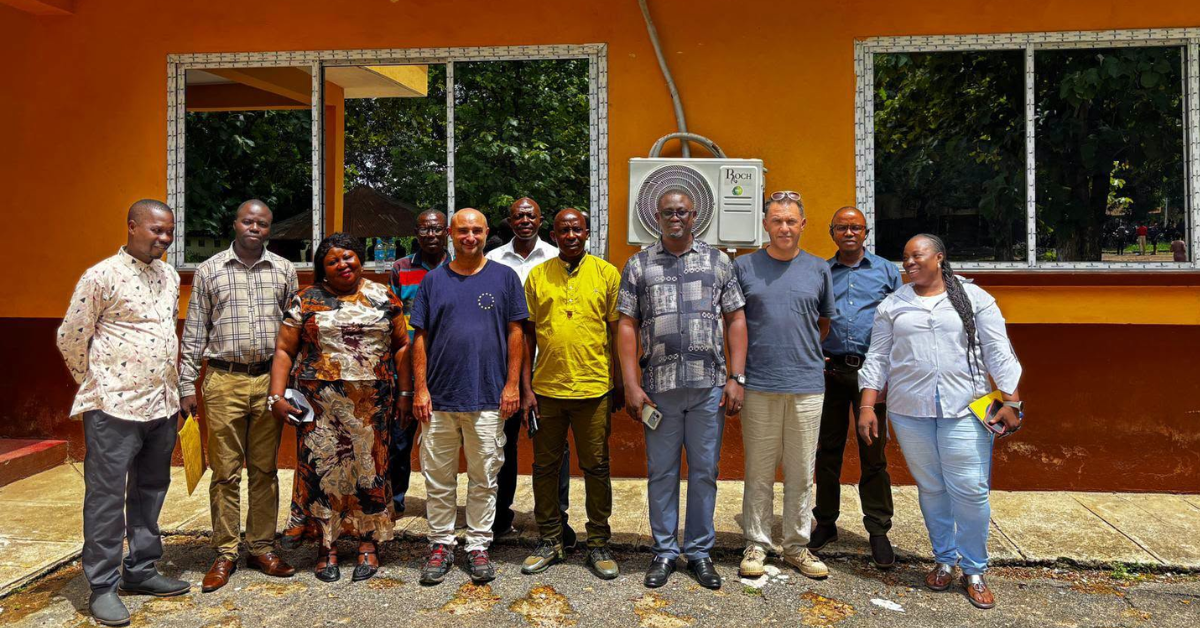
A delegation from the European Union has visited Bombali District to assess progress on an ongoing feeder roads rehabilitation project linking Kalanga to Madina Loko and to inspect an incubator centre at the Ernest Bai Koroma University (EBK) Makeni campus.
The visit forms part of the EU-funded Jobs and Growth Programme, which is being implemented by the International Labour Organization in collaboration with the Bombali District Council and the Sierra Leone Roads Authority (SLRA).
The initiatives are aimed at improving market access for farmers while promoting youth entrepreneurship and economic empowerment in the district.

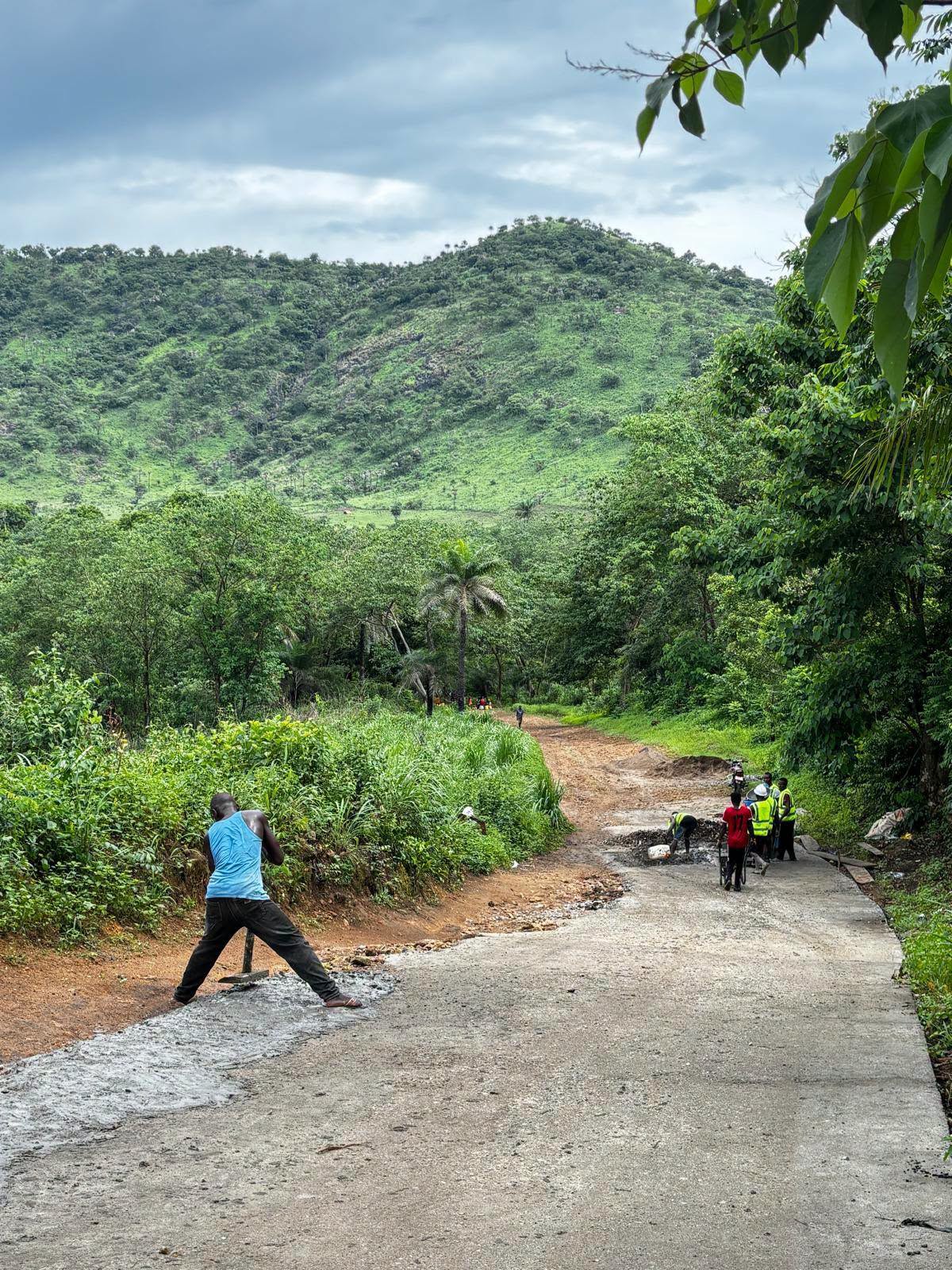
According to project officials, the Kalanga–Madina Loko feeder road rehabilitation is expected to reduce transport costs, shorten travel time, and minimize post-harvest losses by improving rural connectivity. The EU noted that the intervention reflects its commitment to strengthening rural infrastructure to provide farming communities with reliable access to markets and increase their incomes.
The rehabilitation works focus on restoring and upgrading the road to ensure year-round access between key production areas and local markets. The project also adopts labour-intensive construction methods, creating short-term employment opportunities for local residents while delivering long-term benefits for agricultural value chains.
Local authorities say the improved road network is expected to attract more input suppliers and buyers, strengthen supply chains, and boost trade activities across Bombali District.
As part of the visit, the delegation also toured the ILO-supported incubator centre at EBK Makeni, which provides training, mentorship, and workspace for students pursuing entrepreneurship and agribusiness.
The centre is designed to equip young people with practical business skills and support innovation, with reports indicating that several students have already established small enterprises, particularly in the infant food production sector, transforming academic knowledge into income-generating ventures.
Programme partners highlighted the complementary impact of the two projects, stressing that improved roads would enhance the viability of small processors and value-added producers by facilitating access to raw materials and markets, while the incubator centre develops the human capital needed to maximize those opportunities.
They noted that together, the interventions are expected to create a multiplier effect by boosting employment, diversifying rural incomes, and strengthening food security.
The EU, ILO, Bombali District Council, and SLRA reaffirmed their commitment to continued collaboration to ensure the successful completion of the projects and to translate the investments into sustainable economic gains for communities.
Planned next steps include completing the road rehabilitation works, expanding incubator support to more students, and strengthening engagement with private sector actors to deepen market linkages and investment in local agribusinesses.