


 1 Comment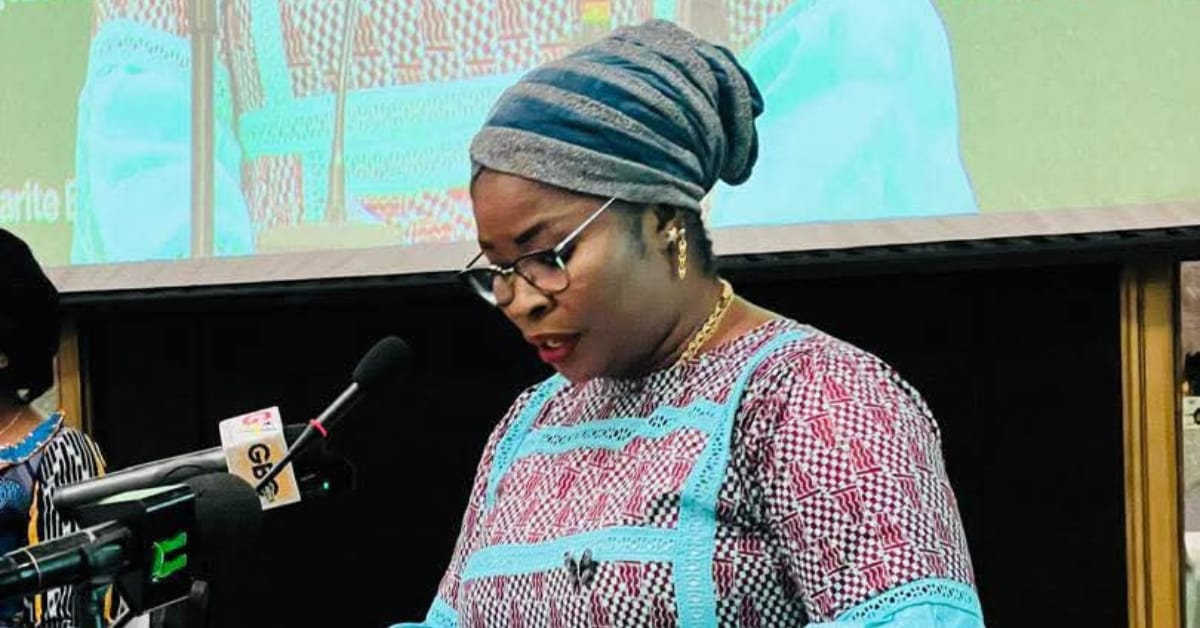
The Minister of Gender and Children’s Affairs, Isata Mahoi, has reaffirmed the Government of Sierra Leone’s strong commitment to ending child marriage, warning that anyone who facilitates or permits the marriage of a child below the age of 18 will face legal action and imprisonment upon conviction.
She made this statement while addressing the country’s child protection framework, stressing that the Prohibition of Child Marriage Act clearly establishes 18 years as the minimum legal age for marriage in Sierra Leone. According to her, the law was introduced to protect children from early marriage and its harmful social, health, and economic effects.
Mahoi explained that the legislation is fully enforceable and not merely advisory, adding that anyone found guilty of violating it will be taken before the court and prosecuted according to the law. She further emphasised that the offence is punishable by imprisonment, reinforcing the government’s position that child marriage is now a serious criminal offence in the country. The minister noted that the aim of the law is to ensure that children are protected, allowed to complete their education, and given the opportunity to reach adulthood before entering into marriage.

She also made it clear that under the current legal framework, parental or guardian consent is no longer valid justification for child marriage. Mahoi stated that any marriage involving a person under the age of 18 is illegal regardless of family approval or traditional practices. She described this as a major legal shift in Sierra Leone, as it removes all previous exceptions that once allowed children aged 16 or above to be married under certain conditions.
Reflecting on earlier reforms, the minister highlighted Sierra Leone’s Gender Justice Laws enacted between 2007 and 2009. These include the Domestic Violence Act, the Registration of Customary Marriage and Divorce Act, and the Devolution of Estates Act. She said these laws played an important role in strengthening the rights of women and children, but also acknowledged that further reforms were needed to close gaps that previously existed in child protection laws.
Mahoi specifically referred to the former Registration of Customary Marriage and Divorce Act, under which a child aged 16 could be married with parental consent. She explained that this provision has now been completely overridden by the Prohibition of Child Marriage Act, which removes all consent-based exceptions and sets 18 years as the absolute minimum age for marriage. According to her, this change ensures stronger protection for children across all communities and marriage systems in Sierra Leone.
She further stated that the updated law aligns Sierra Leone with international child protection standards and reflects the government’s broader commitment to safeguarding children’s rights. Mahoi called on parents, religious leaders, traditional authorities, and community members to support the enforcement of the law by refusing to participate in or encourage underage marriages. She stressed that ending child marriage requires collective responsibility from all sectors of society.
The minister concluded by reiterating government determination to enforce the law strictly, warning that offenders will not be spared under any circumstances. She emphasised that child marriage is now a criminal offence punishable by imprisonment, and urged the public to respect and uphold the law as a safeguard for the future of children in Sierra Leone.


Hhhhhhh