

Blackhall Road Residents Protest Kings Foam Factory’s 24-Hour Noise, Seek Regulatory Enforcement
 Sahid Bangura
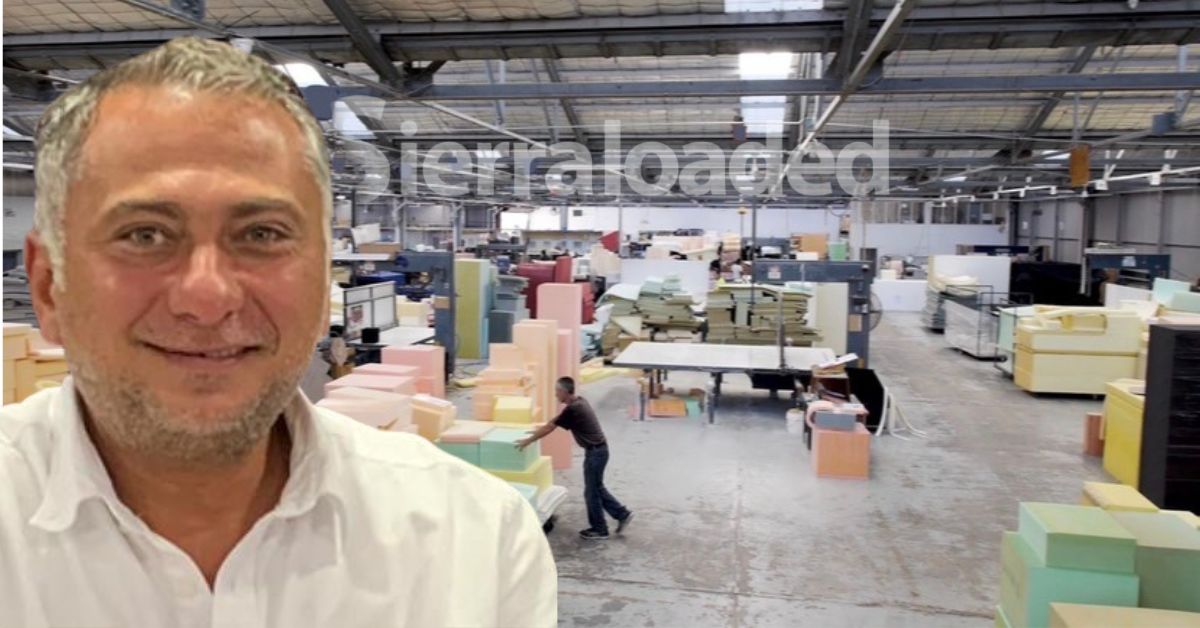
 Residents of Blackhall Road and surrounding communities in Freetown have accused Kings Foam Production Company of causing persistent environmental pollution through excessive industrial noise, prompting renewed calls for regulatory authorities to investigate the company’s operations and enforce environmental laws.
According to residents, the factory’s production activities continue throughout the day and night, with heavy industrial machinery reportedly operating without interruption, particularly between 11:00 p.m. and 5:00 a.m. They claim the continuous noise and vibrations have disrupted sleep, affected public health and diminished the quality of life for families living near the facility.
Several residents told Salone Compass Newspaper that the situation has become increasingly unbearable, alleging that the constant humming of machines and vibrations can be heard and felt across the neighbourhood, even inside homes with doors and windows closed.

Fatmata Kamara, a resident and business owner along Blackhall Road, said the prolonged noise has deprived families of adequate rest, adding that children are struggling to concentrate in school while elderly residents frequently complain of headaches, stress and sleep deprivation.



Other residents echoed similar concerns, alleging that the factory’s operations have negatively affected nearby homes, schools, places of worship and small businesses. Some also claimed that vibrations from the machinery occasionally shake buildings within the community.
Community leaders disclosed that complaints have been received from more than 40 households and said residents have repeatedly urged the company to engage the community and introduce measures to minimise the impact of its operations. They suggested options such as limiting heavy production during late-night hours and installing effective noise-control or soundproofing systems.
Stakeholders maintained that while industrial investment is important for economic development, it should not compromise the health, safety and wellbeing of neighbouring communities. They stressed that businesses have a responsibility to operate in a manner that respects the rights of residents to a peaceful and healthy environment.
Health professionals also cautioned that prolonged exposure to excessive industrial noise may contribute to sleep disorders, hypertension, chronic stress, anxiety and reduced concentration, particularly among children. Teachers at a nearby primary school reportedly expressed concern that classroom activities are frequently disrupted when the factory is operating at full capacity.
Residents are now calling on the Environmental Protection Agency Sierra Leone (EPA-SL), the Sierra Leone Police and other relevant authorities to conduct an independent assessment of the factory’s operations, measure prevailing noise levels and determine whether Kings Foam is complying with national environmental standards.
They further urged regulators to examine whether the company has implemented adequate environmental impact and noise-mitigation measures, arguing that industrial development should be balanced with the protection of surrounding communities.
At the time of publication, Kings Foam Production Company had not publicly responded to the allegations. According to the Salone Compass Newspaper, repeated attempts to obtain comments from the company’s management regarding its production schedule, noise-control measures and compliance with environmental regulations were unsuccessful. The newspaper stated that the company would be given the opportunity to present its response.