

Minister Sackey Outlines Major Education Reform Agenda at Africa Summit
 Osman Tolo Sesay
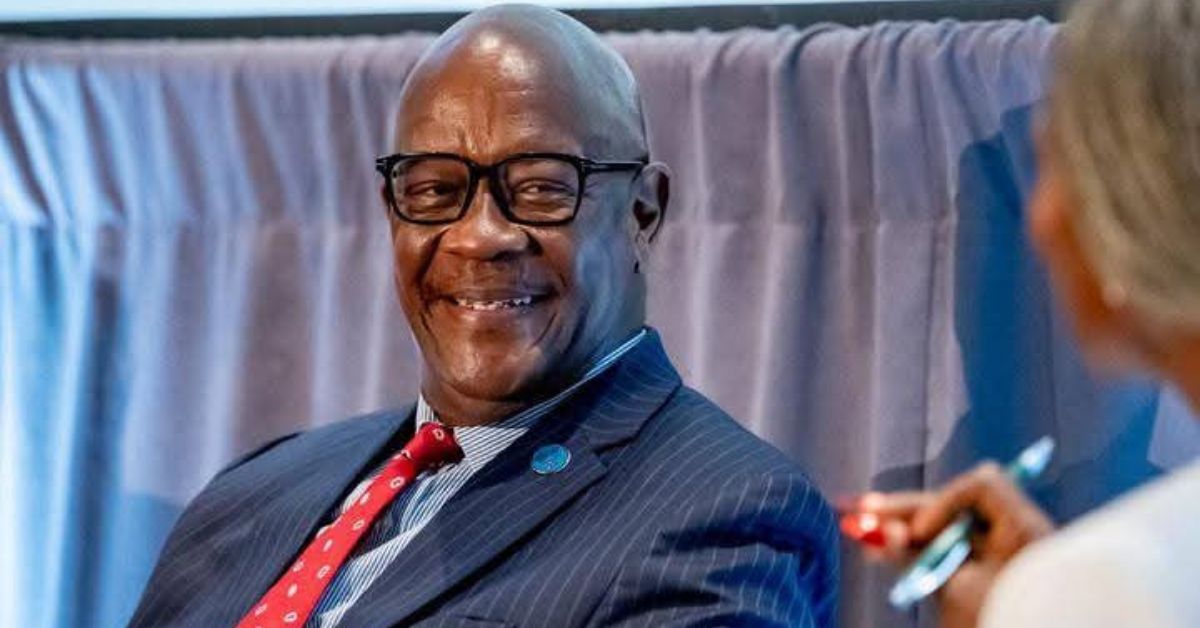
 Sierra Leone’s Minister of Basic and Senior Secondary Education, Hon. Conrad Sackey, has outlined a comprehensive reform agenda aimed at aligning the country’s education system with the demands of the modern labour market during the Young Africa Works Summit hosted by the Mastercard Foundation in Kigali, Rwanda.
Addressing fellow education ministers, development partners, industry leaders, and young people from across Africa, Minister Sackey said the continent’s education systems must move beyond producing graduates for outdated job markets and instead equip learners with skills relevant to a rapidly changing global economy.
He disclosed that Sierra Leone is developing a new Education Sector Plan expected to be implemented by 2027. According to him, the plan will focus on lifelong competencies rather than traditional academic credentials, with the goal of preparing learners for future employment and continuous learning.

Minister Sackey explained that the reform will be built around five core competencies, which he described as the “Five Cs” — Comprehension, Critical Thinking, Creativity, Civic Mindedness, and Computational Thinking. He said these competencies are intended to help learners adapt to technological advances and evolving workplace demands throughout their lives.
“The skills acquired today do not last forever. Learners must be equipped with competencies that allow them to adapt as industries and technologies evolve,” he said.
As part of the proposed reforms, the minister also advocated for a performance-based financing model for tertiary institutions and Technical and Vocational Education and Training (TVET) centres. Under the proposal, government funding would be tied to graduate employment outcomes rather than student enrolment figures.
He said the approach would encourage educational institutions to strengthen partnerships with employers, improve the relevance of their programmes, and ensure graduates acquire skills aligned with labour market needs.
Minister Sackey further argued that the model would promote greater accountability within the education sector while helping to address the mismatch between graduate qualifications and available employment opportunities.
The minister also reiterated the need to elevate the status of technical and vocational education, noting that Africa’s growing economies require a highly skilled technical workforce. He maintained that TVET institutions should receive recognition and support based on the success of their graduates in securing employment, rather than being viewed as secondary to universities.
During the same panel discussion, Joseph Nsengimana, Rwanda’s Minister of Education, announced that his country is introducing a graduate tracking system that will publish employment outcomes three, six, and nine months after students complete their studies. He said the initiative is intended to provide prospective students and parents with data to guide their educational choices.
The Young Africa Works Summit brought together policymakers, private sector leaders, and development partners to explore strategies for improving education, skills development, and youth employment across the continent.
Minister Sackey’s presentation highlighted Sierra Leone’s commitment to reforming its education system to produce graduates with practical, adaptable, and employment-oriented skills capable of meeting the evolving demands of the global economy.