


 Post a comment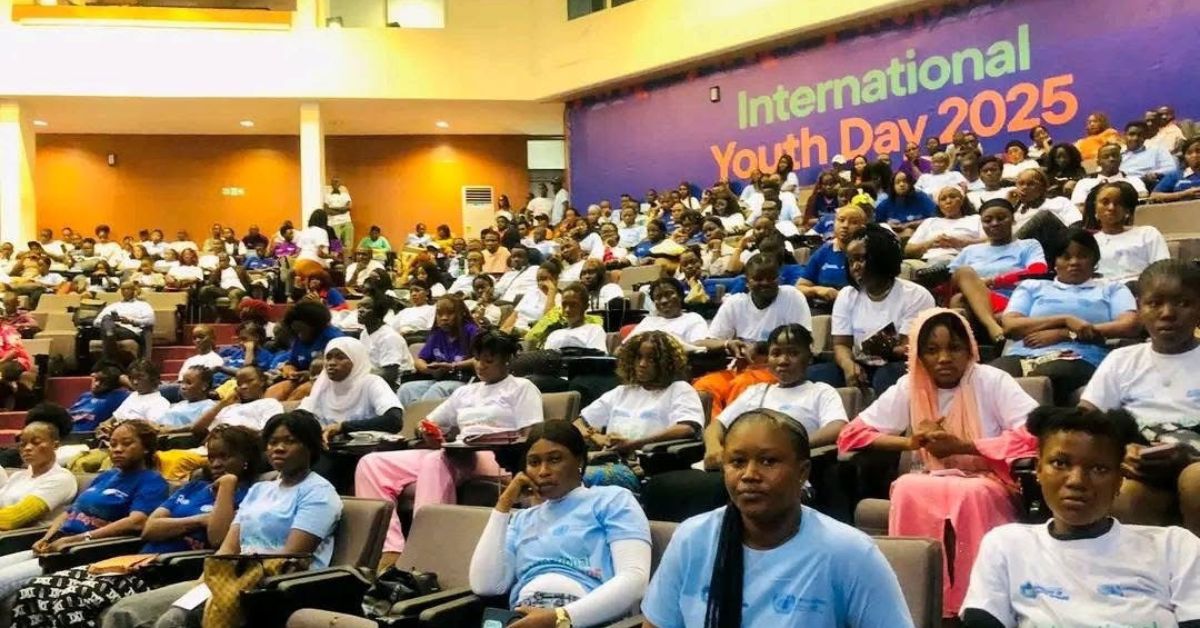
Sierra Leone, like many African countries, is home to a young and dynamic population. Across the country, young people are pursuing education, building businesses, developing new skills, and contributing to their communities in ways that are helping shape the nation’s future.
This youthful energy represents one of Sierra Leone’s greatest assets. It also reflects a broader African story. With the youngest population in the world, Africa’s future prosperity will depend largely on the ability of its young people to innovate, lead, and participate fully in economic and social development.
Yet as governments, development partners, and institutions invest in education, entrepreneurship, infrastructure, and job creation, an important question deserves greater attention: Are we investing enough in the wellbeing of young people?

Increasingly, experts and youth advocates are arguing that mental health and wellbeing should be viewed not only as healthcare issues but also as development priorities.
A young person experiencing chronic stress, anxiety, depression, trauma, or emotional distress may struggle academically, professionally, and socially. Mental wellbeing affects productivity, creativity, decision-making, leadership, and overall quality of life. For this reason, youth wellbeing has become an important factor in discussions about sustainable development across Africa.
According to Nigerian youth wellbeing advocate Ridwan Oyenuga, conversations about development must evolve to include the wellbeing of the people expected to drive that development.
“Young people are at the centre of Africa’s future. We cannot discuss education, innovation, entrepreneurship, and economic growth without also discussing the wellbeing systems that enable young people to thrive,” he says.
Across Africa, young people face a growing number of pressures. Economic uncertainty, unemployment, rising living costs, academic demands, family responsibilities, social expectations, and rapid technological change continue to shape their experiences.
Social media has created new opportunities for learning, networking, and communication. However, it has also introduced challenges related to comparison, misinformation, cyberbullying, and unrealistic expectations. These realities can have significant effects on emotional wellbeing, particularly among young people.
In Sierra Leone, many young people continue to demonstrate resilience and determination despite facing economic and social challenges. However, like their peers across the continent, they often navigate these challenges with limited access to mental health resources and support systems.
This is why many experts believe mental health deserves a more prominent place within national development discussions.
The African Union’s Agenda 2063 outlines a vision for a prosperous Africa driven by its own citizens, especially its youth. Likewise, the United Nations Sustainable Development Goals recognise health and wellbeing as fundamental to achieving sustainable development.
Meeting these ambitions requires more than economic growth alone. It requires ensuring that young people are healthy, supported, resilient, and equipped to reach their full potential.
Encouragingly, awareness around mental health is gradually increasing across Africa. Governments, educational institutions, civil society organisations, journalists, healthcare professionals, and youth-led initiatives are helping to create conversations that were once considered difficult or taboo.
Countries such as Ghana, Kenya, Rwanda, Nigeria, and South Africa have witnessed growing efforts to integrate mental health into broader development discussions. These efforts include awareness campaigns, school-based programmes, community initiatives, digital solutions, and policy reforms.
Sierra Leone has an opportunity to strengthen similar efforts.
One important area is education. Mental health and wellbeing education can help young people better understand emotional resilience, stress management, healthy relationships, and help-seeking behaviours. Schools and universities can play a vital role in promoting awareness and early intervention.
Community support is equally important. Families, religious leaders, educators, youth organisations, and community groups can help create environments where conversations about mental health are normalised rather than avoided.
Technology also presents new opportunities. Digital platforms are increasingly helping young people access information, support resources, and wellbeing tools regardless of location. As internet access continues to expand, digital innovation can play a valuable role in closing existing gaps.
Through initiatives such as SereniMind and broader youth wellbeing engagements across more than 35 African countries, Ridwan Oyenuga has observed a common pattern. While cultures and circumstances may differ, young people across Africa consistently express the need for stronger support systems, greater awareness, and more opportunities to prioritise their wellbeing.
These conversations are not simply about mental health. They are about human potential.
A nation cannot fully benefit from its demographic advantage if large numbers of young people are struggling silently with challenges that affect their ability to learn, work, innovate, and lead.
For Sierra Leone, investing in youth wellbeing is not merely a social responsibility. It is a strategic investment in national development.
As policymakers, educators, employers, development partners, and community leaders continue working toward a stronger future, youth wellbeing deserves a central place in the conversation.
The future of Sierra Leone and the future of Africa will be shaped by the success of today’s young people. Ensuring that they are supported, empowered, and able to thrive may be one of the most important investments any nation can make.
Because when young people thrive, communities thrive. When communities thrive, nations prosper. And when Africa’s youth succeed, Africa’s future becomes stronger.
The author, Ridwan Oyenuga is the Founder & CEO, SereniMind.