


 2 Comments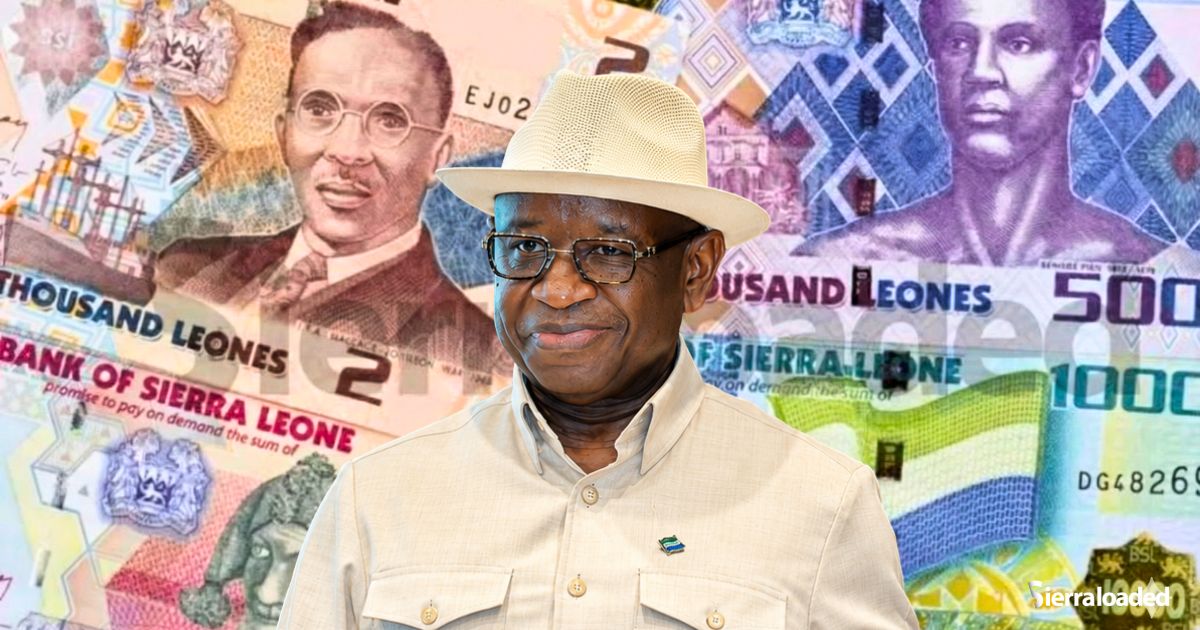
West African leaders have reaffirmed their commitment to launching the long-awaited single currency, the ECO, in 2027 as a key instrument for deepening regional economic integration.
The decision was contained in the final communiqué of the 69th Ordinary Session of the ECOWAS Authority of Heads of State and Government, held on July 19 in Freetown.
The Authority resolved that the launch of the ECO shall commence with those countries that meet the established macroeconomic convergence criteria and are ready to participate. Countries not yet ready will receive appropriate support to facilitate their subsequent accession to the single currency.

To qualify for the monetary union, member states must meet benchmarks including maintaining a budget deficit of no more than 3 percent of GDP, keeping annual inflation below 10 percent, and holding gross external reserves equivalent to at least three months of import cover.
The first phase of implementation is expected to involve Sierra Leone, Liberia, Nigeria, Ghana, Guinea, and The Gambia, subject to compliance with the agreed criteria and finalization of institutional governance structures.
The Authority further directed the ECOWAS Commission to intensify consultations with Central Bank Governors to formulate consensual proposals on outstanding issues essential for the currency’s introduction. It also welcomed the registration of the name “ECO” with the African Intellectual Property Organisation (OAPI) and directed its registration with other relevant international bodies.
Additionally, the Authority approved a request from the Republic of Guinea to join the Presidential Task Force on the ECOWAS Single Currency Programme. The Commission is instructed to convene a meeting of this expanded Task Force prior to the next Ordinary Summit in December 2026, working in collaboration with the President of Côte d’Ivoire, who currently serves on the task force.
The push for the ECO, a decades-old ambition that has faced multiple delays, mirrors aspects of the European Union model and aims to reduce exchange rate risks, cut transaction costs for businesses, and stimulate trade across West Africa .
This is a welcomed idea , if I am not forgetting, this was was to happen as far back as 2003. May God give our leaders the strength and courage to achieve this come 2027.
Masha Allah
desperately waiting for this to happen