
New Report Exposes Land Rights and Carbon Revenue Concerns in Tonkolili, Port Loko
 Alusine Ahmed Kargbo
 A new rights-focused report has raised concerns over land access, community participation and benefit-sharing arrangements linked to a major forestry carbon project operating in Sierra Leone’s Tonkolili and Port Loko districts.
The report, released on Thursday, September 3, 2026, by Swedwatch, HEKS and the Sierra Leone Network on the Right to Food (SiLNoRF), examines the “Reforestation of Degraded Lands in Sierra Leone” project, a commercial forestry initiative covering approximately 10,000 hectares and developed by UK-based Miro Forestry Developments Limited.
The project is also associated with Swiss consultancy South Pole, which supported its registration under Verra’s Verified Carbon Standard.

According to the report, about 5,000 hectares of the plantations are eligible to generate carbon credits, with more than 480,000 credits reportedly issued since the project was registered in 2021, with the registration retroactively covering activities dating back to 2016.

The study, however, focuses primarily on the project’s social and governance implications, particularly the rights of communities whose customary lands are being used for plantations.
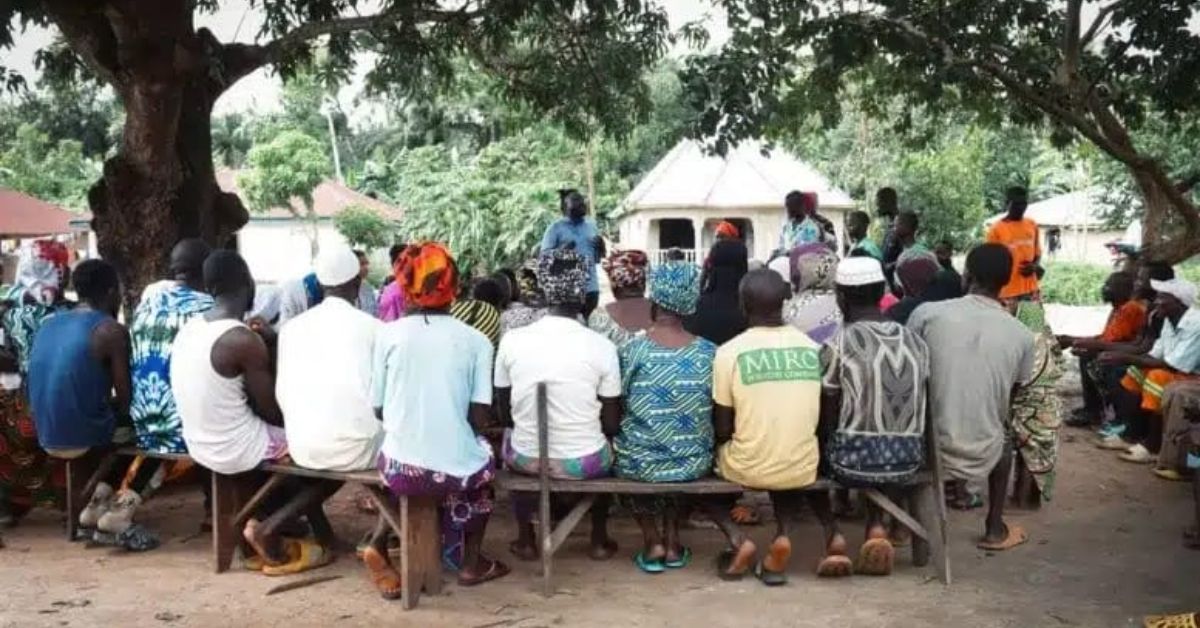
Researchers who interviewed residents in six communities in October 2025 said some community members were not fully aware that land leased for plantation development was also being used to generate carbon credits in addition to timber production.
The report also questions the classification of some project areas as “degraded lands,” saying residents described portions of the land as previously used for farming, fruit gathering and firewood collection.
According to the findings, restricted access to these resources has contributed to food insecurity and reduced household incomes for some affected communities.
The report further raises concerns about the transparency of customary land agreements, including whether landowners fully understood the duration and conditions of leases.
Women, in particular, were reportedly underrepresented in land negotiations and compensation arrangements.
SiLNoRF Deputy National Coordinator Abass John Kamara, quoted in the report, stressed the need for meaningful and inclusive consent, particularly for women and vulnerable groups, rather than relying solely on formal approval from traditional authorities.
Benefit-sharing is another major concern highlighted by the study.
The report claims that Miro Forestry generated approximately $6.7 million from carbon credit sales across its African operations in 2024, while project documents indicated that five percent of net profits was intended for community funds.
However, researchers said some interviewed landowners reported receiving no carbon-related payments and that they found no functioning mechanism clearly demonstrating how such revenues were being distributed to communities.
Miro Forestry disputed key findings cited in the report, stating that it had not recorded net profits and that its financial disclosures supported its position. The company also indicated that it was willing to review benefit-sharing models from 2027 and continue engaging with affected communities.
South Pole also rejected parts of the report’s interpretation, saying it applies internal due diligence measures beyond standard certification requirements and supports stricter screening of projects. Both companies reportedly questioned conclusions based heavily on verbal accounts from a limited number of communities.
Verra, the carbon standard body under which the project was registered, had not publicly responded to the findings at the time of publication, according to the report.
Despite the concerns, the study acknowledges that the forestry project has generated some benefits, including employment opportunities and increased tree cover. However, it argues that these benefits have not been evenly distributed and may not compensate for what some communities describe as diminished access to customary land and reduced influence over decisions affecting their livelihoods.
The report calls for greater transparency in carbon projects, stronger community participation and clearly functioning benefit-sharing mechanisms.
It also urges the Sierra Leone Government to strengthen safeguards under the Customary Land Rights Act of 2022 and increase oversight of investments in the country’s emerging carbon market.
The organisations further called on carbon certification and advisory bodies to strengthen human rights due diligence, warning that climate-finance initiatives could undermine rural livelihoods if land rights, community consent and revenue-sharing arrangements are not adequately protected.
The findings place renewed focus on the need to balance Sierra Leone’s efforts to attract climate and carbon-market investment with the protection of customary land rights and the livelihoods of rural communities.