
Education Minister Sackey Puts Sierra Leone’s Education Realities at Centre of Global AI Debate
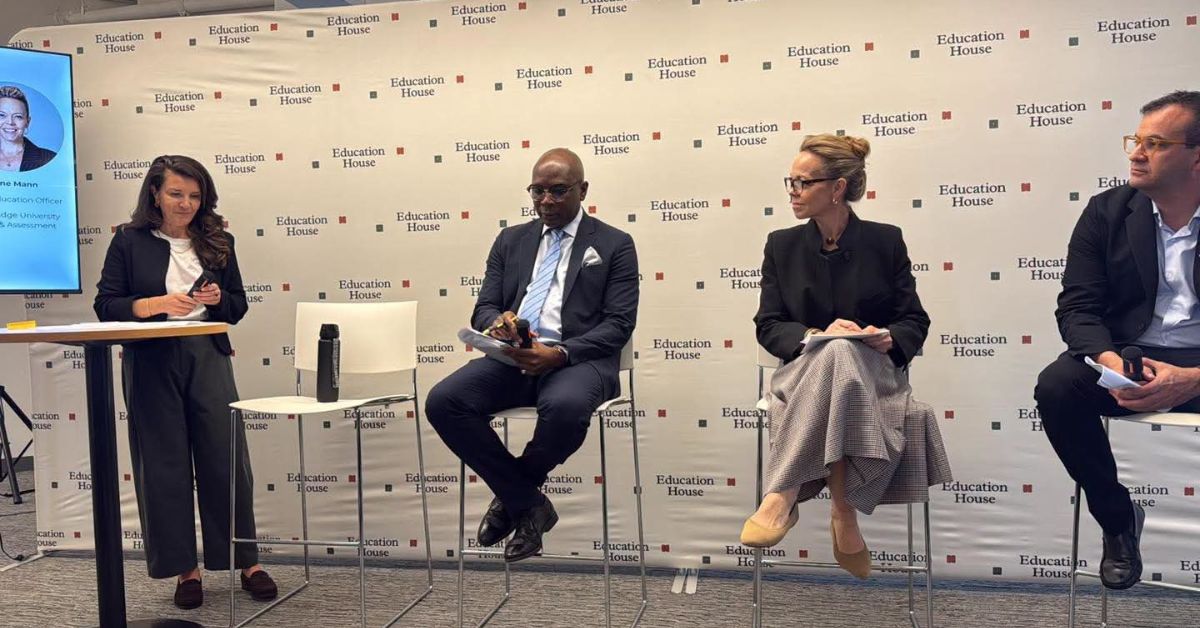
Sierra Leone’s Minister of Basic and Senior Secondary Education, Conrad Sackey, has warned that the global push to integrate artificial intelligence into education risks overshadowing persistent challenges such as overcrowded classrooms, limited learning materials and low literacy levels.
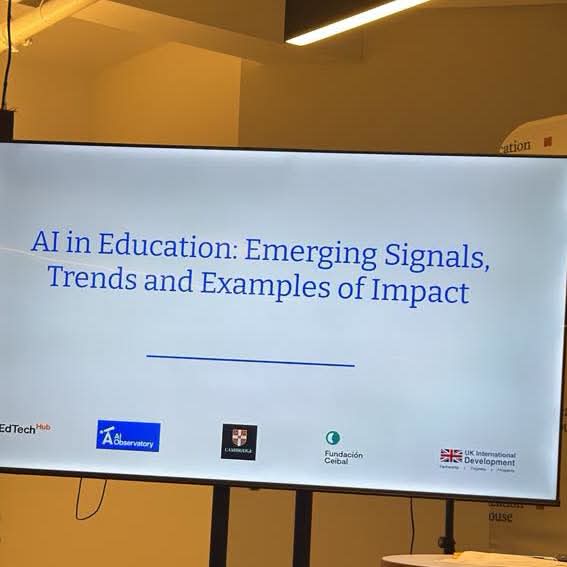
Sackey made the remarks while speaking at an international session titled “AI in Education: Evidence, Implementation and Impact,” held in partnership with Cambridge Partnership for Education and attended by education leaders, policymakers and technology experts.
He said discussions about advanced AI tools and digital learning systems often fail to reflect the realities of education systems where basic resources remain limited.




According to Sackey, some of the most important drivers of improved learning outcomes remain foundational, including well-trained teachers and students with strong reading and writing skills. He urged policymakers to give greater attention to evidence from local education systems rather than relying heavily on models developed in high-income technology markets.
The minister said global discussions around AI tutoring systems and algorithm-based learning tools can sometimes be disconnected from the realities facing teachers and learners in classrooms where access to basic educational resources remains a challenge.
Sackey also highlighted low-cost digital tools already being used within Sierra Leone’s education system. He cited a WhatsApp-based communication system that enables faster information sharing between district education officials and central administrators as an example of practical innovation adapted to local conditions.
The session brought together education specialists, including Lea Simpson of EdTech Hub and the AI Observatory, Roberto Porzecanski of Fundación Ceibal, and Jane Mann of Cambridge University Press & Assessment.
Organisers said the discussion was intended to connect policymakers involved in education implementation with researchers and experts working on education technology and evidence-based approaches to AI.

Sackey stressed that artificial intelligence should be viewed as a supporting tool rather than a substitute for broader education reform. He said improving learning outcomes requires continued investment in teacher development, literacy, administrative capacity and other core elements of education systems.
He added that educational innovation should ultimately be assessed by its practical impact rather than its visibility or novelty, noting that simple, low-cost communication tools can sometimes deliver greater value than more complex digital platforms.