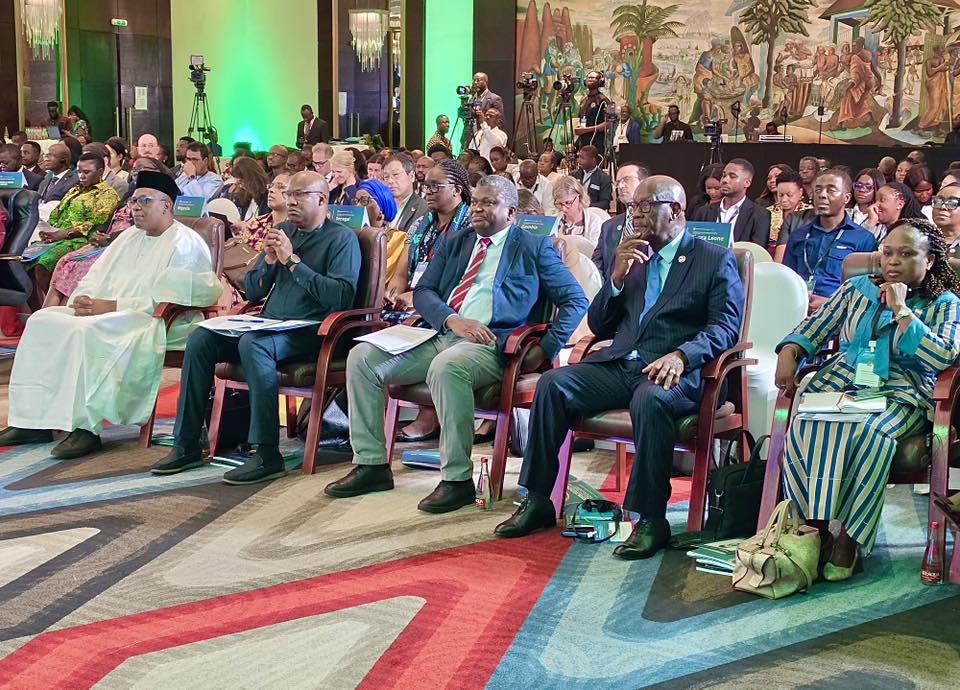
Minister Demby Joins African Leaders at World Bank Health Strategy Launch
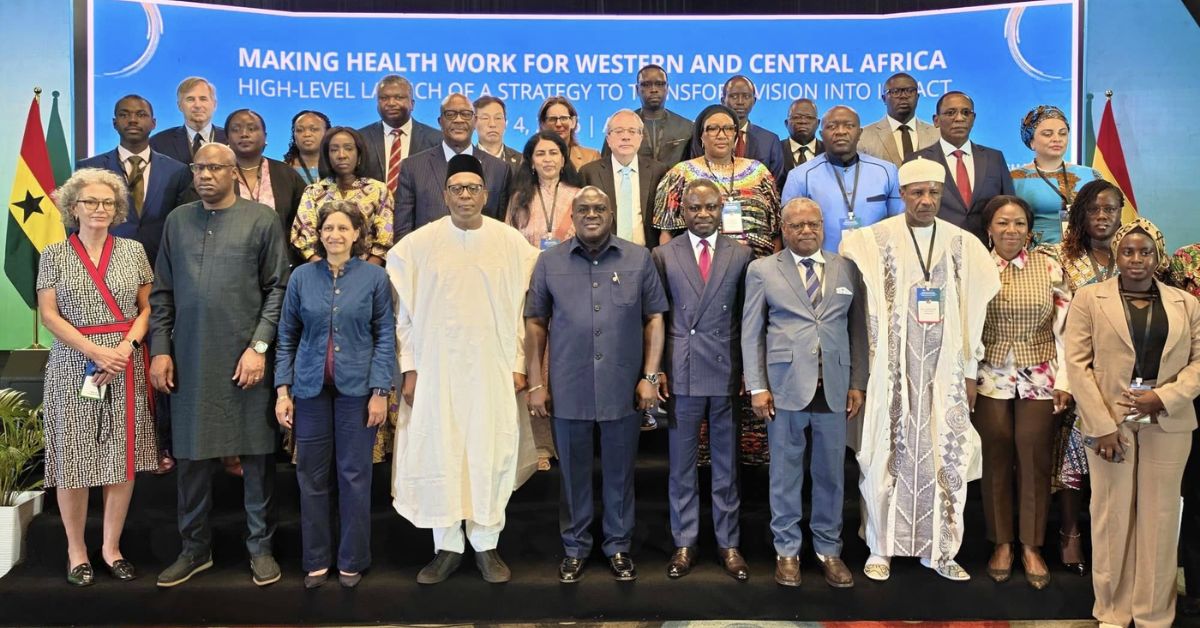
On 4 May 2026, Sierra Leone’s Minister of Health, Austin Demby, joined regional leaders in Accra for the high-level launch of the Regional Health, Nutrition and Population (HNP) Strategy for Western and Central Africa, a World Bank–led initiative that sets a country-driven roadmap across 22 nations to align health investments with economic transformation.
The launch, hosted by the Government of Ghana with participation from the World Bank Vice President for People, framed health as more than a social priority. The HNP Strategy positions health as a driver of job creation, productivity, and sustained economic growth, urging countries to translate regional commitments into national action plans in the months ahead.
As a special guest of the President of Ghana and the World Bank delegation, Minister Demby took part in high-level discussions and underscored the rapid transformation underway in Sierra Leone’s health sector.

Minister Demby highlighted ongoing reforms in Sierra Leone’s healthcare system, including investments in primary healthcare strengthening, maternal and child health services, digital health systems, and workforce expansion. He framed these priorities as essential not only for improved health outcomes but also for boosting economic resilience and creating employment opportunities across health value chains.



The HNP Strategy offers a coordinated framework for 22 countries in Western and Central Africa to prioritise interventions in health, nutrition, and population. Key themes highlighted at the launch include workforce development, sustainable financing, nutrition interventions, and cross-border cooperation on disease surveillance and emergency preparedness.
By linking health investments to broader economic objectives, the strategy seeks to shift policymaking toward integrated planning, where health spending is recognised as an investment in productivity and human capital rather than a cost centre.
For Sierra Leone, the regional strategy provides a platform to accelerate ongoing reforms and attract targeted investments. Expected national actions include adapting the regional roadmap into country-specific priorities, mobilising domestic and external financing, and scaling programmes that generate both health and economic returns.
Regional alignment may also open opportunities for pooled procurement, joint training programmes, and harmonised data systems that improve efficiency and reduce costs.
Countries attending the launch were urged to finalise national implementation plans and begin translating strategic priorities into budgeted programmes. The coming months will be critical as governments, development partners, and the private sector work to operationalise the HNP Strategy and measure its impact on health and economic indicators.
If implemented effectively, the initiative could reshape how Western and Central African governments allocate resources and evaluate development progress, placing health at the centre of economic transformation.