

 Post a comment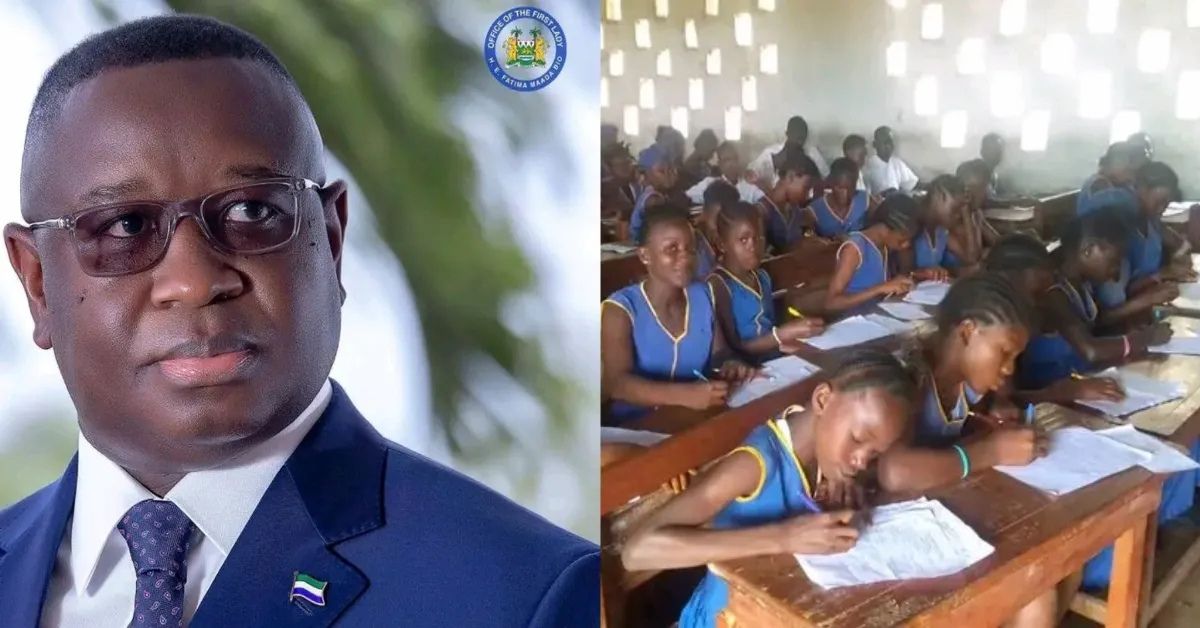
The Centre for Accountability and Rule of Law (CARL) has released a report highlighting significant challenges in the implementation of Sierra Leone’s Free Quality Education (FQE) program.
The report, published on Thursday, August 28, assessed schools in Freetown and other parts of the country. It found that only 36.6 percent of schools received fee subsidies, 16 percent received stationery, and just 5 percent benefited from the school feeding program.
CARL disclosed that inconsistencies in payments and supplies, spoiled food, and demands from officials in the feeding program have undermined service delivery and teacher performance. It also pointed to inflated enrollment numbers by some school heads and a lack of transparency in resource management.
Jeremy Ben Simbo, Head of Programs at CARL, said the findings show “serious gaps in accountability and delivery that directly affect pupils and teachers.”
Responding, Augustine Koma, national coordinator for the FQE program, acknowledged the challenges but emphasized the program’s achievements. He noted that more than 3,000 schools have been approved nationwide, over 12,000 teachers recruited, and enrollment has increased from 1.98 million in 2018 to 3.1 million by 2021. He also said 94 containers of textbooks and 12 million exercise books have been distributed across the country.
Meanwhile, Patrick Sandeep, Coordinator of Operations at the Anti-Corruption Commission (ACC), said the commission would take CARL’s report “very seriously” and examine it to determine areas for possible action.
The Free Quality Education program was launched in 2018 by President Julius Maada Bio as his government’s flagship initiative to improve access and quality in public schools.


