

 1 Comment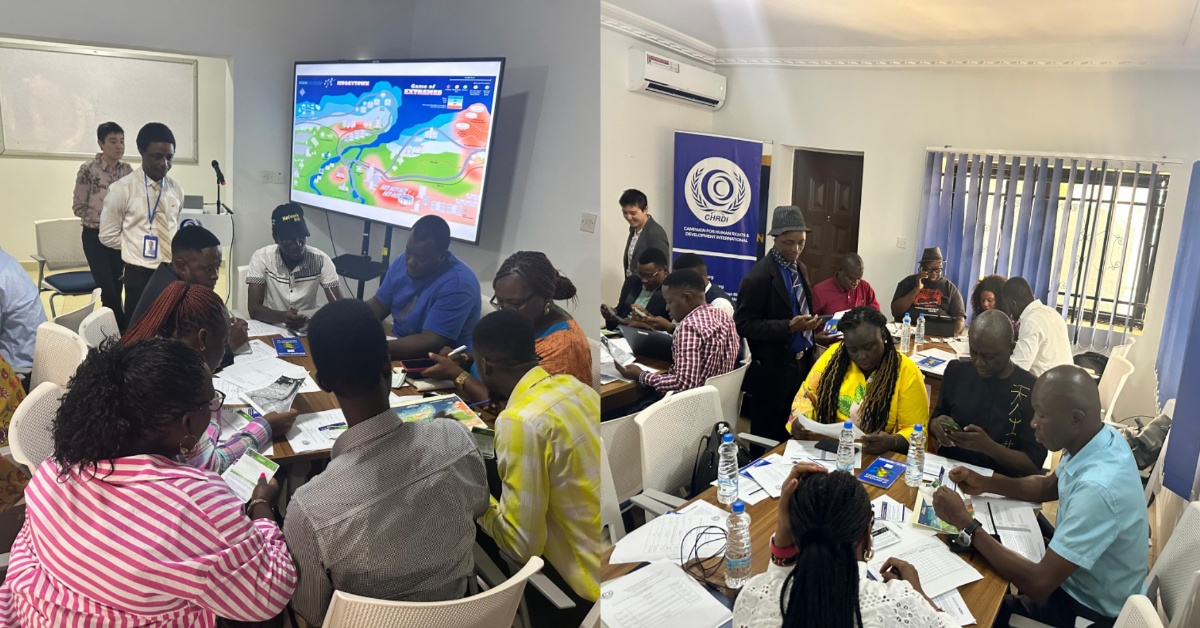
The Campaign for Human Rights and Development International (CHRDI) has concluded a two-day stakeholder engagement and training workshop aimed at strengthening climate governance and promoting a human rights-based approach to climate action in Sierra Leone.
Held at the CHRDI headquarters on Wilkinson Road in Freetown, the event brought together a cross-section of stakeholders, including representatives from government ministries and agencies, civil society organisations, media houses, religious leaders, and community advocates.
The engagement focused on equipping participants with the knowledge and tools needed to develop actionable climate adaptation and mitigation strategies.
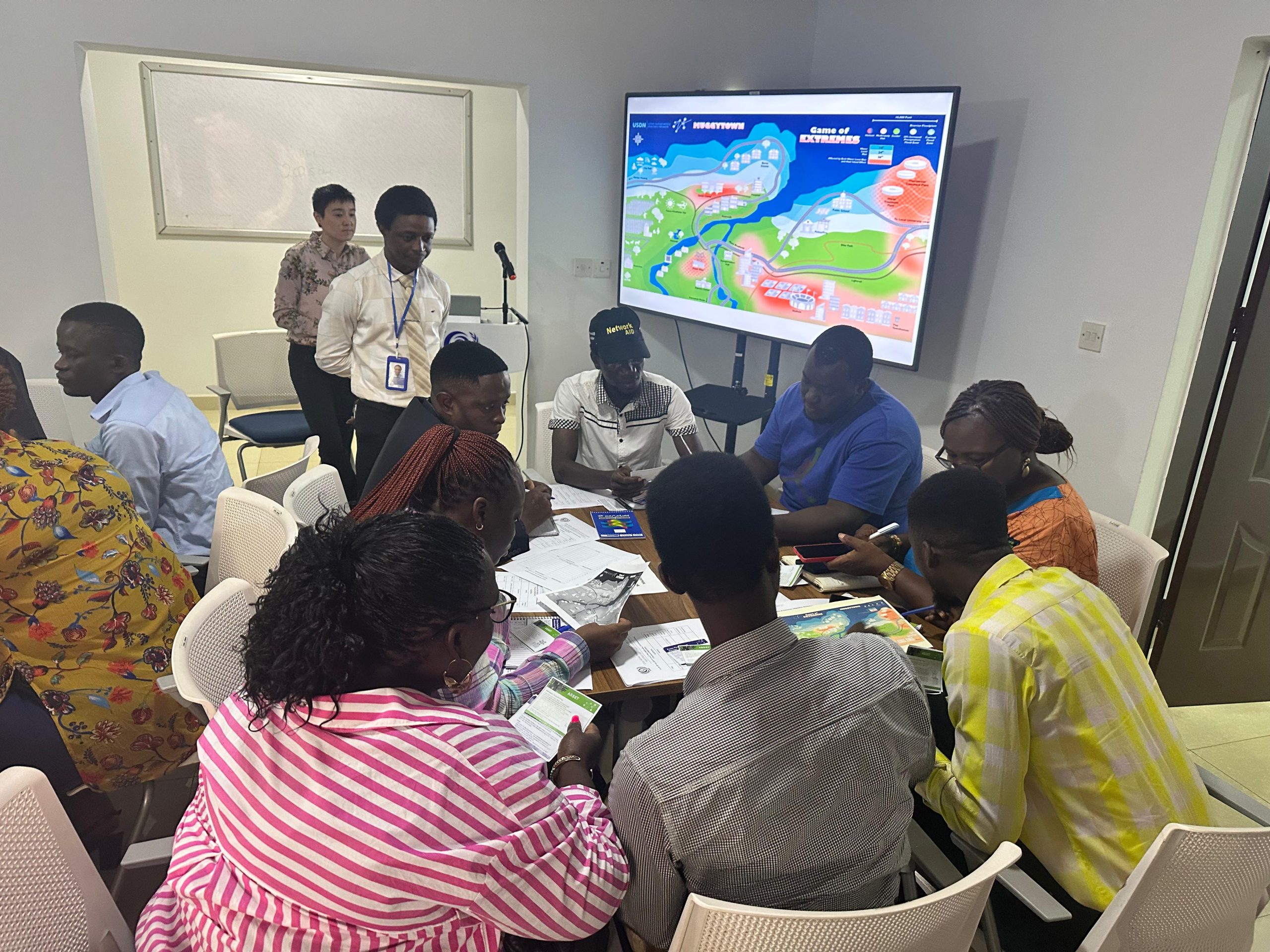
Key topics addressed during the workshop included climate governance, climate justice, and the formulation of effective climate action plans tailored to the unique challenges faced by local communities.
Leading the training sessions was Dr. Mok, a seasoned climate change policy consultant and visiting expert at CHRDI. Drawing on over a decade of experience working on government climate policies and grassroots mobilisation in the United States, Dr. Mok offered expert guidance and shared best practices with participants.
Speaking at the event, CHRDI Chief Executive, Mr. Abdul M. Fatoma, stressed the urgent link between climate change and human rights. He explained that the worsening climate crisis threatens fundamental rights such as the right to life, health, food, clean water, and adequate housing. He also highlighted that vulnerable populations especially women, children, indigenous groups, and low-income communities are disproportionately affected by climate impacts.
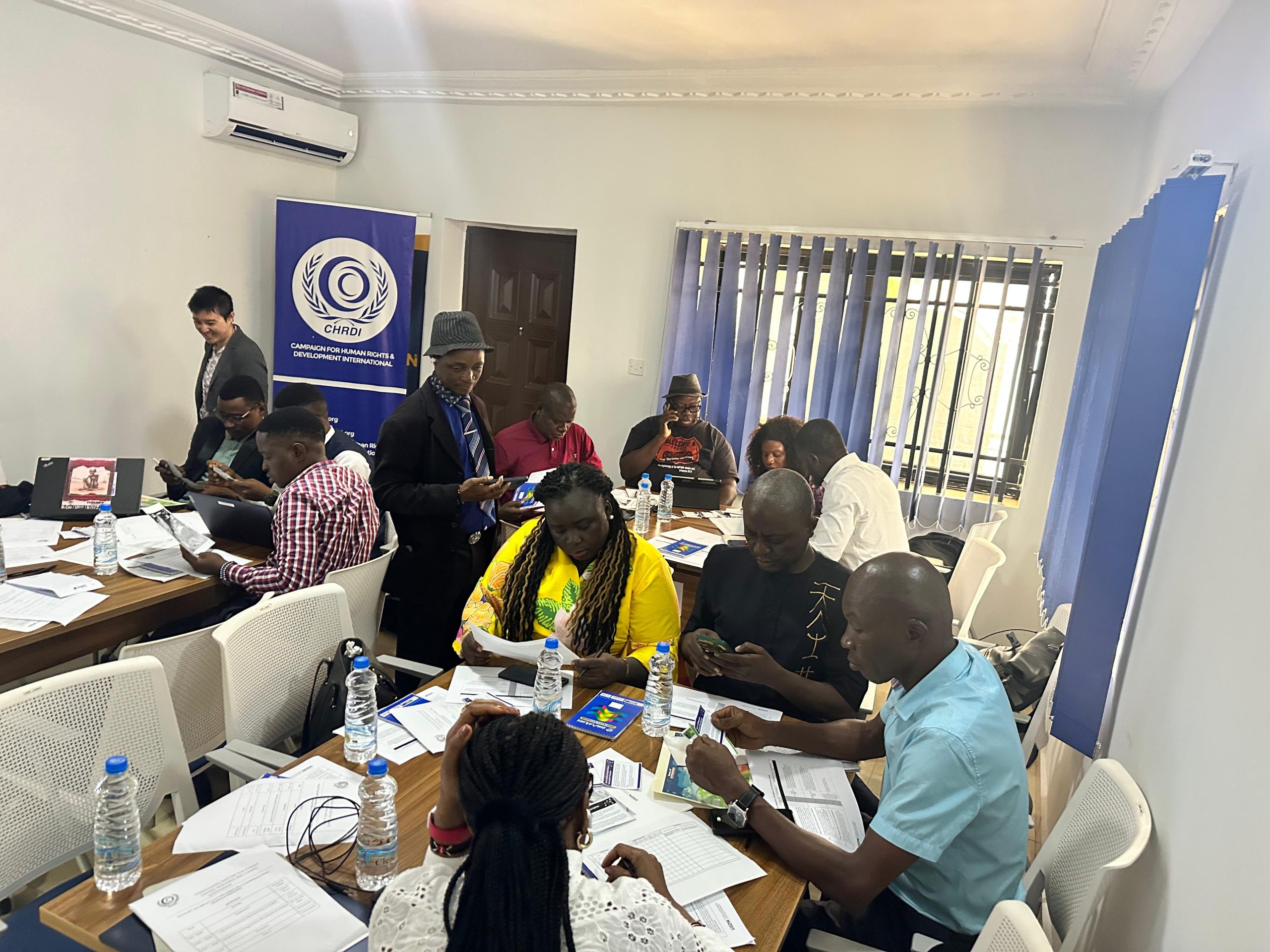
“A rights-based approach to climate change ensures that our policies are not only effective but also equitable,” said Fatoma. “We must design climate responses that respect and protect human rights, while empowering those most at risk.”
Mr. Fatoma further emphasised the need for collaboration between government and civil society to push for climate policies that are inclusive, just, and sustainable.
The training is part of CHRDI’s broader mission to advocate for social justice and policy reforms through human rights-based approaches.
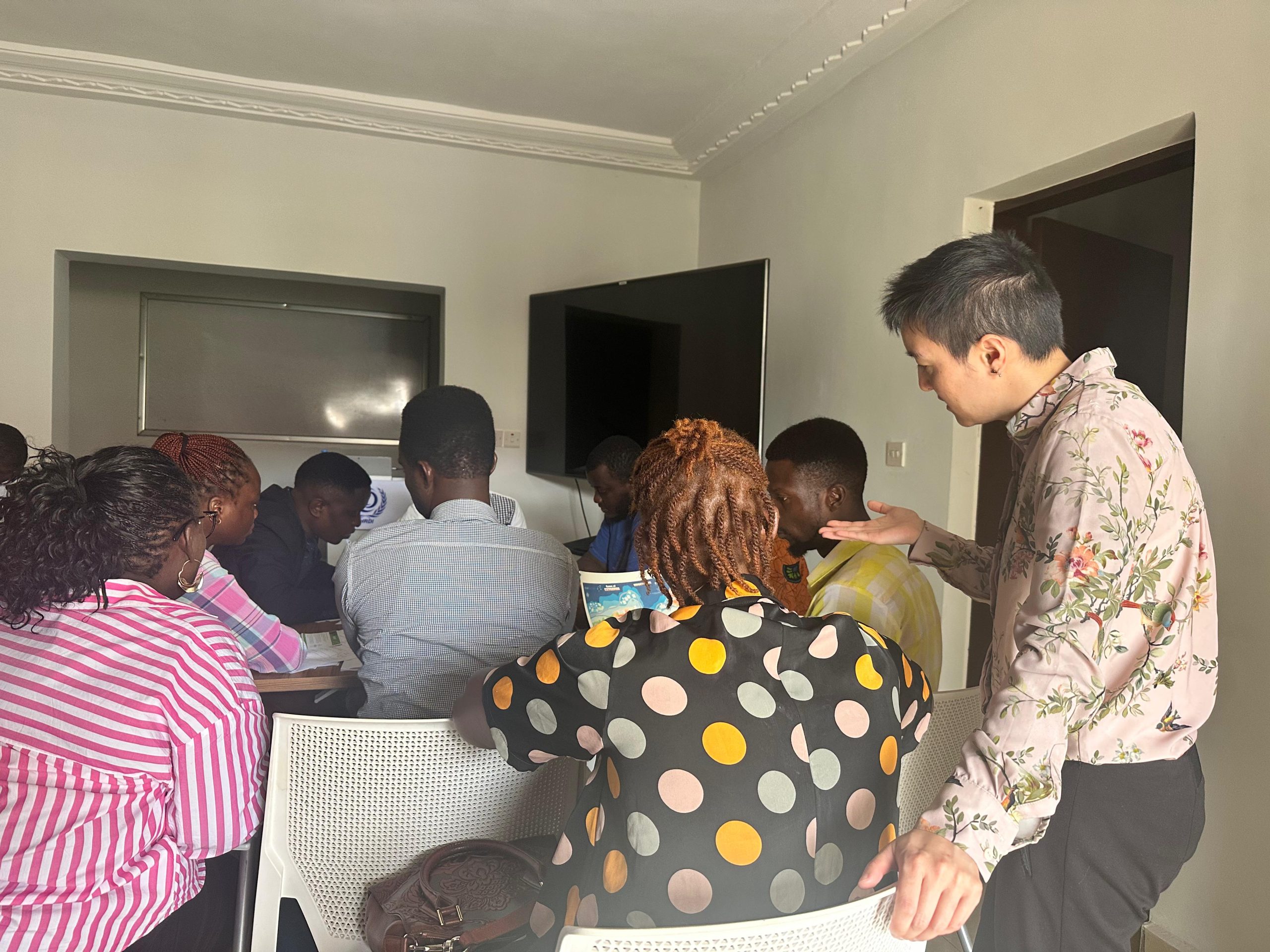
By fostering knowledge-sharing and multi-stakeholder collaboration, CHRDI hopes to strengthen local and national responses to climate change, ensuring that environmental action also advances human dignity and development.


Wow good one