

 Post a comment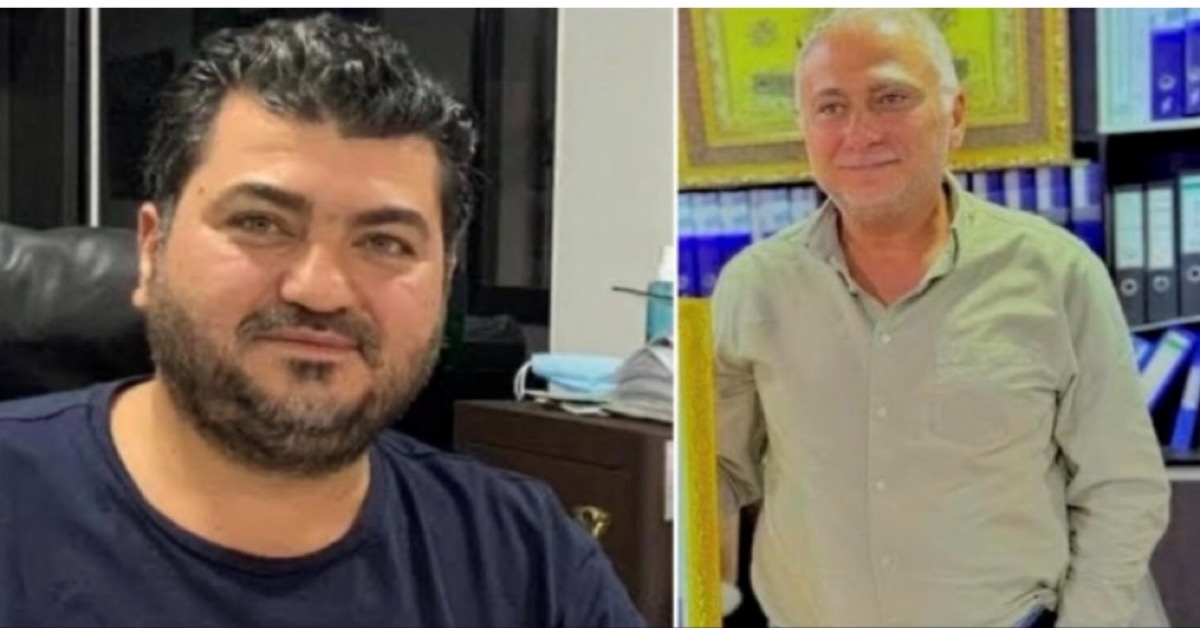
An independent field investigation conducted by this medium has debunked as misleading and unsubstantiated a series of allegations leveled against Rockcem Cement Limited and Kings Foam, two companies linked to the Hijazi family’s industrial operations in Sierra Leone.
The inquiry focused on widely circulated reports claiming that Rockcem had violated a US$25 million cement agreement with the Government of Sierra Leone and that traders were displaced after government authorities demolished market stalls to facilitate Kings Foam’s expansion along Blackhall Road in Freetown.
The allegations, which gained traction through social media platforms, WhatsApp forums, and selected media publications, had raised public concern over regulatory compliance, urban planning, and corporate accountability. However, on-the-ground findings by this medium paint a significantly different picture, suggesting that the claims were largely driven by misinformation and lacked verifiable evidence.
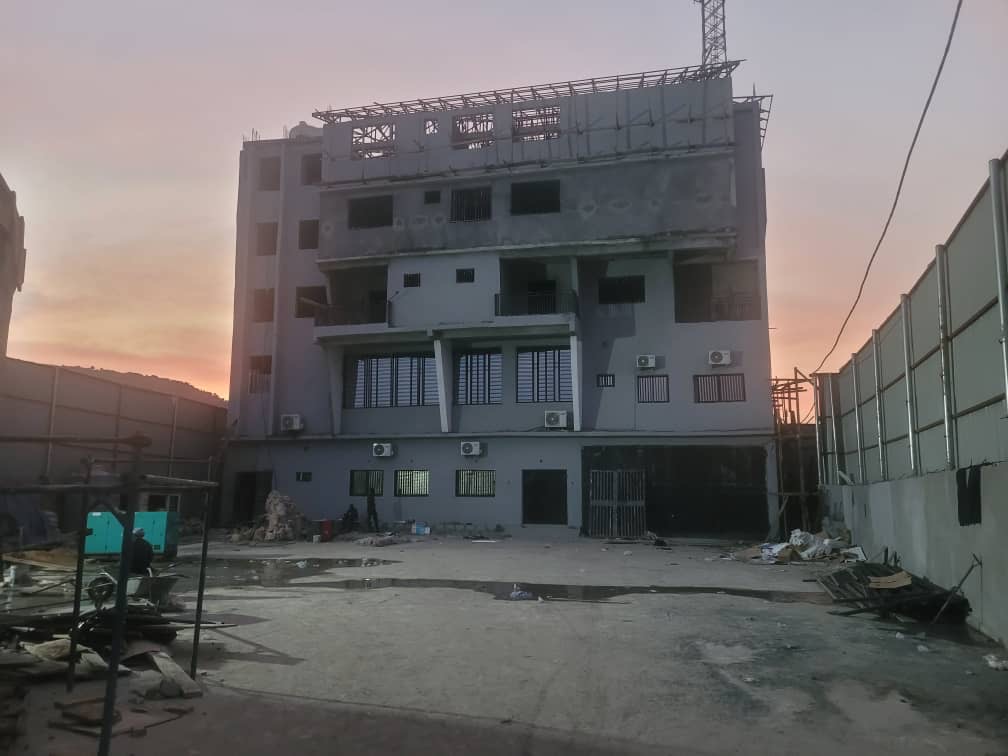
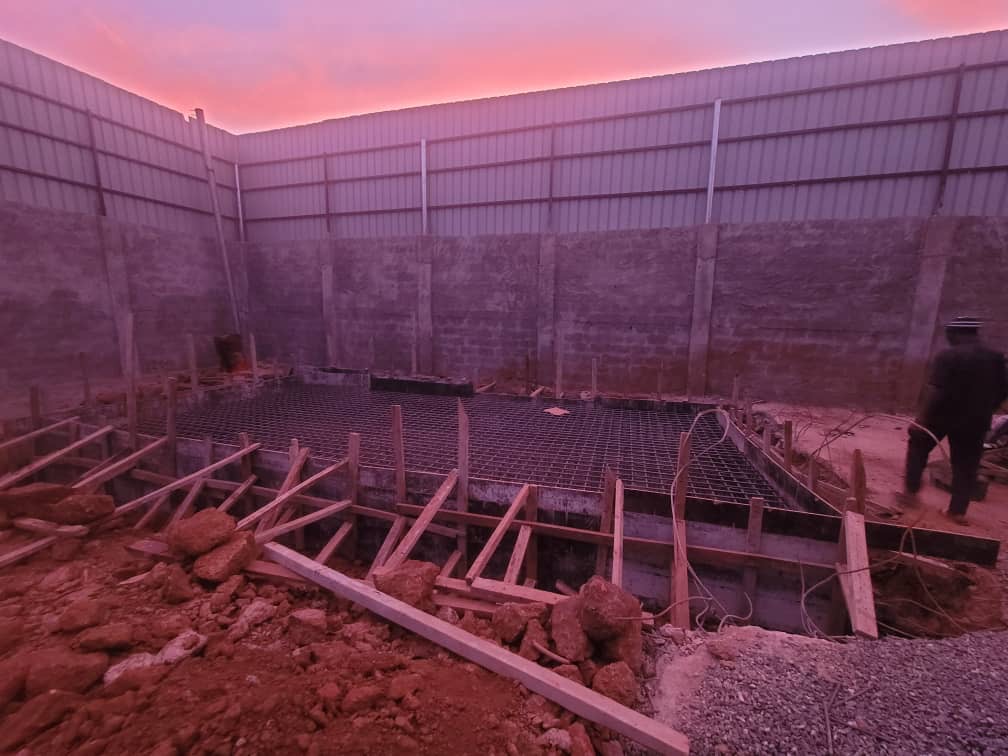
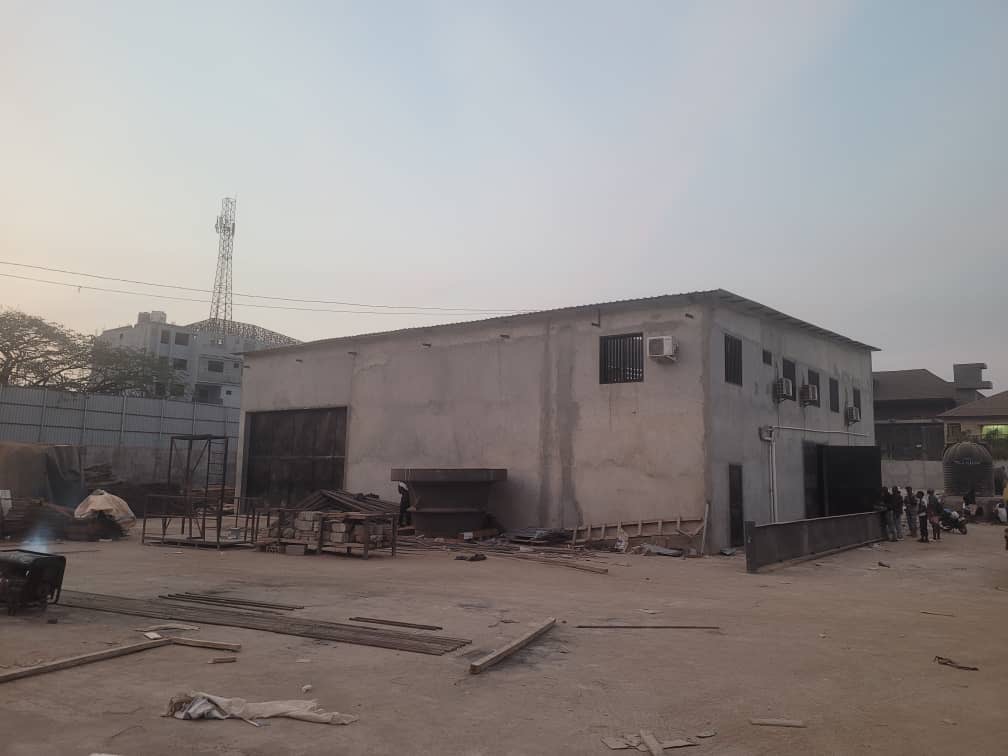
A visit to the operational site of RockcemCement Limited showed that the company remains actively engaged in serious and structured work, with all visible operations appearing orderly and consistent with its stated mandate as a leading cement packaging and supply company. Contrary to reports alleging that the company breached the terms of a US$25 million agreement signed with Government in December 2022, no evidence was found during the inspection to substantiate assertions of contractual default or deliberate non-compliance.
Responding to the allegations, the management of Rockcem Cement Limited described the reports as “malicious and baseless rumours” intended to damage the company’s hard-earned reputation.
“We categorically state that these allegations are entirely false, fabricated, and without any credible evidence,” management said in a statement issued to this medium.
The company emphasized that its mission remains centered on supporting national development, fostering economic growth, and creating employment opportunities for Sierra Leoneans. It further stressed that all business operations have consistently been conducted with transparency, accountability, and strict respect for the law.
Rockcem management also urged customers, stakeholders, and the general public to remain calm and disregard what it described as false narratives circulating online. According to the company, it will not hesitate to pursue legal action against any individual or group found deliberately spreading defamatory misinformation.
In an exclusive interview, Rockcem’s Chief Executive Officer, Khalil Hijazi, reaffirmed the company’s commitment to lawful business practice and encouraged the media to seek first-hand verification before publishing damaging reports.
“We are law-abiding citizens and we are not doing anything against the law. We encourage the media to come to the company, verify allegations directly, and obtain first-hand information instead of misleading the public,” he stated.
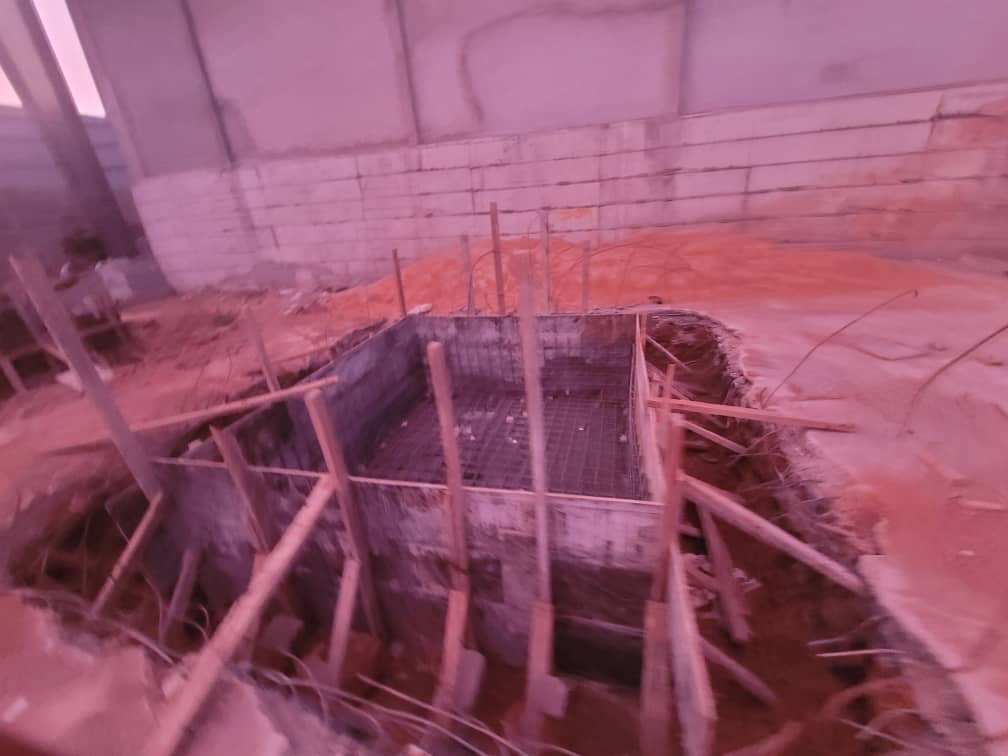
The CEO also reassured the public and the company’s valued customers that Rockcemremains focused on delivering quality cement products and services in line with national expectations.
On the separate issue involving Kings Foam, this medium’s investigation equally found no factual basis for reports claiming that traders were displaced to create room for the company’s expansion.
The controversial story alleged that several market stalls behind the company’s fence line were demolished by government authorities and that the cleared area was subsequently being used by Kings Foam for extended construction. However, a direct visit to the site and consultations with local sources established that the land in dispute is owned by the Diocese of Makeni, not Kings Foam or any of its affiliated companies.
This key finding fundamentally weakens the narrative that Kings Foam orchestrated or benefited from the demolition exercise.
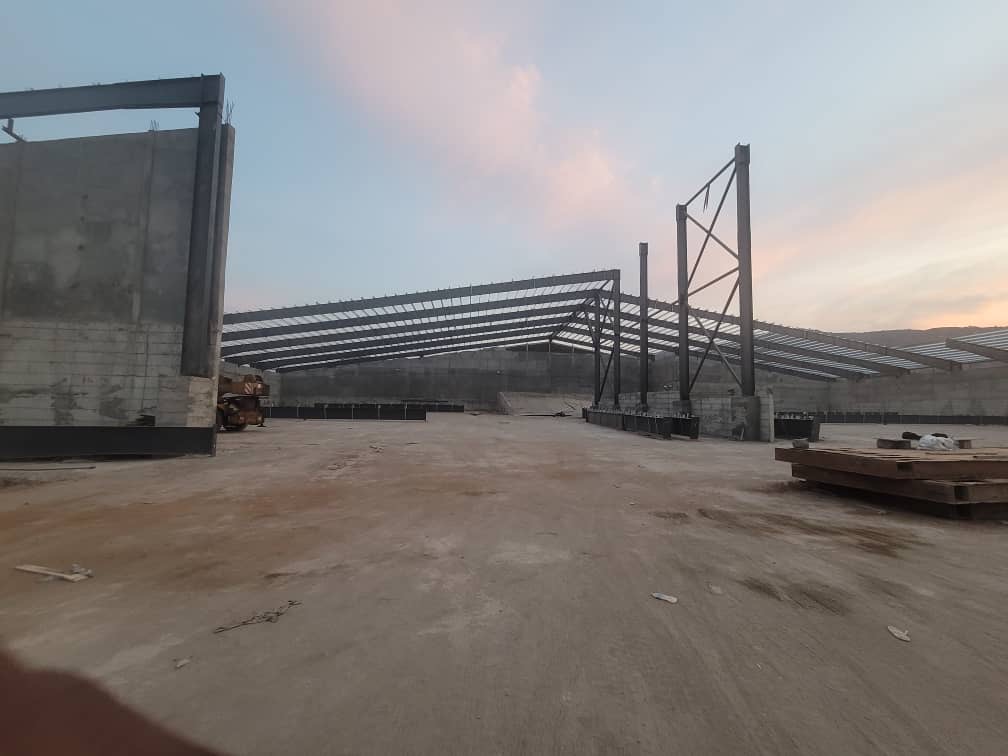
When asked to respond to allegations that Kings Foam had encroached on the Sierra Leone Roads Authority (SLRA) right-of-way and proceeded without an approved drainage plan, CEO Khalil Hijazi firmly denied ownership of the disputed property.
He maintained that neither Kings Foam nor any company linked to the Mega Cola factory owns the structures in question and again encouraged journalists to widen their investigation to identify the true owners of the development.
The situation has reignited conversations around the need for responsible journalism, especially in cases involving serious allegations against corporate entities. Media experts note that publishing claims without sufficient documentary backing or direct field verification risks misleading the public, unfairly harming reputations, and eroding trust in the press.
This medium’s findings therefore underscore the importance of balanced reportage, professional fact-checking, and adherence to journalistic ethics before conclusions are drawn in matters of public interest.
As concerns continue over urban development enforcement and infrastructure compliance in Freetown, the evidence presently available suggests that the allegations against RockcemCement Limited and Kings Foam were exaggerated and misleading, with no direct proof linking either company to the accusations as widely reported.
For now, both companies maintain their innocence and remain committed to transparency, while urging the public to rely on verified facts rather than sensational and potentially fake narratives.


