

 Post a comment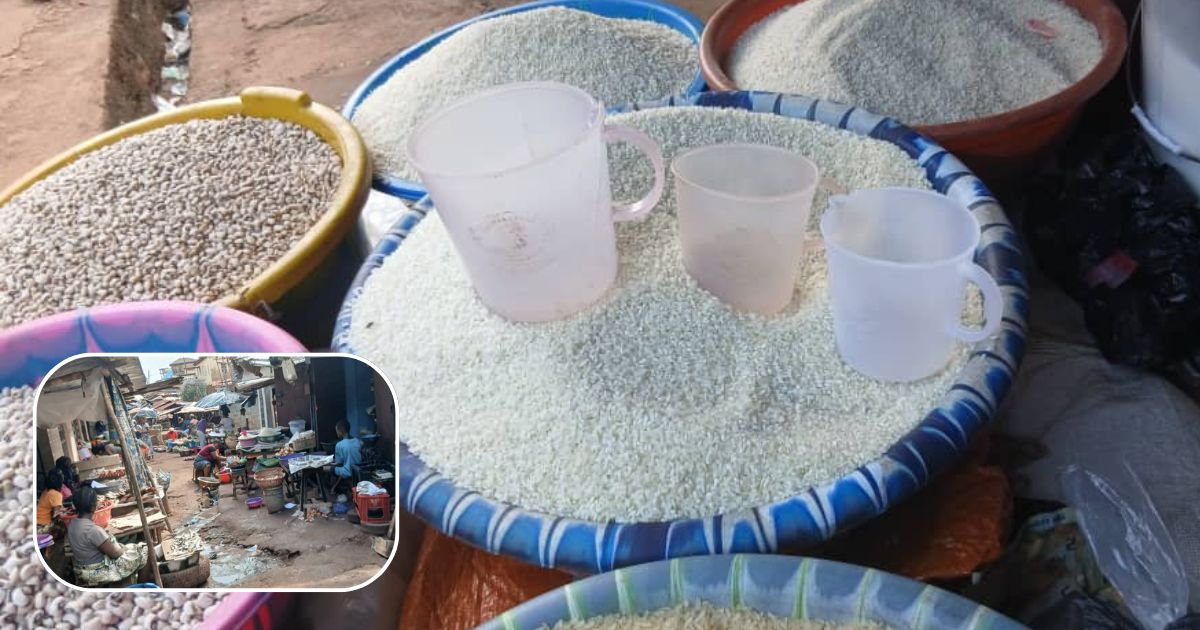
Women in Kissy Market, Freetown have strongly expressed concern over the introduction of the government’s new measuring cups for rice, sugar, oil, and other commodities late last year, with growing frustration over customer attitudes, citing concerns about higher prices.
In a round of interviews with SierraEye on November 17, 2025, vendors like Hawa Kamara expressed heightened frustration over the larger government measuring cups, as customers prefer the smaller portions offered by vendors at lower prices.
Mariatu Koroma, another market vendor, highlighted the financial strain on market women, saying that reducing prices to match competitors using traditional cups would eat into their profits. They feel torn between following government regulations and losing customers due to higher prices.
According to Fatmata Bangura, a customer and primary school teacher, she defended the market women’s action to use the old measuring cups, noting that the “importance of standardized measurements for fair trade and consumer protection should not simply reflect on merely changing the cups but also on equally meeting the needs of the larger public.”
She added: “Even when the government aims to ensure transparency and accuracy in transactions for the benefit of both vendors and customers, we call for a reduction of the measuring cups, from Le 8 to Le 5 accordingly. This will help customers and vendors strongly adhere to the government’s regulatory framework.”
In response to the discrepancy between the government’s cups and traditional measuring cups, Bangura urged the government to look into the issue and adjust the variant prices for food commodities, noting that the old cups, which are bought at Le 4 for rice, are relatively cheaper compared to the prescribed cups.
She said the government measuring cup for rice is of two types: the smaller cup is measured at Le 8, whereas the bigger and more enlarged cup is relatively measured at Le 15.
Concerned about customer trust and market competitiveness, Kadiatu Kargbo, who deals in rice and oil in Kissy Market, spoke of customer retention ability, which according to her is as important to them as business people as is the sustenance of lives and livelihoods.
“The other time, some people came here to check whether we were using government measuring cups. We expressed our concerns to them in relation to the largeness of their cup, which is not commensurate with the locally used cups for rice, sugar, and oil. We are struggling to tip the balance between those cups,” she said.
Meanwhile, the clash between the government and market women highlights the challenge of aligning regulatory standards with the economic realities faced by small-scale vendors, while they look forward to a workable solution through negotiations to address their concerns while upholding fair trade principles to sustain Sierra Leone’s markets. The difficulties vendors face in adapting to regulatory changes while meeting customer demands in a competitive marketplace underscore the urgent need for government intervention.


