Post a comment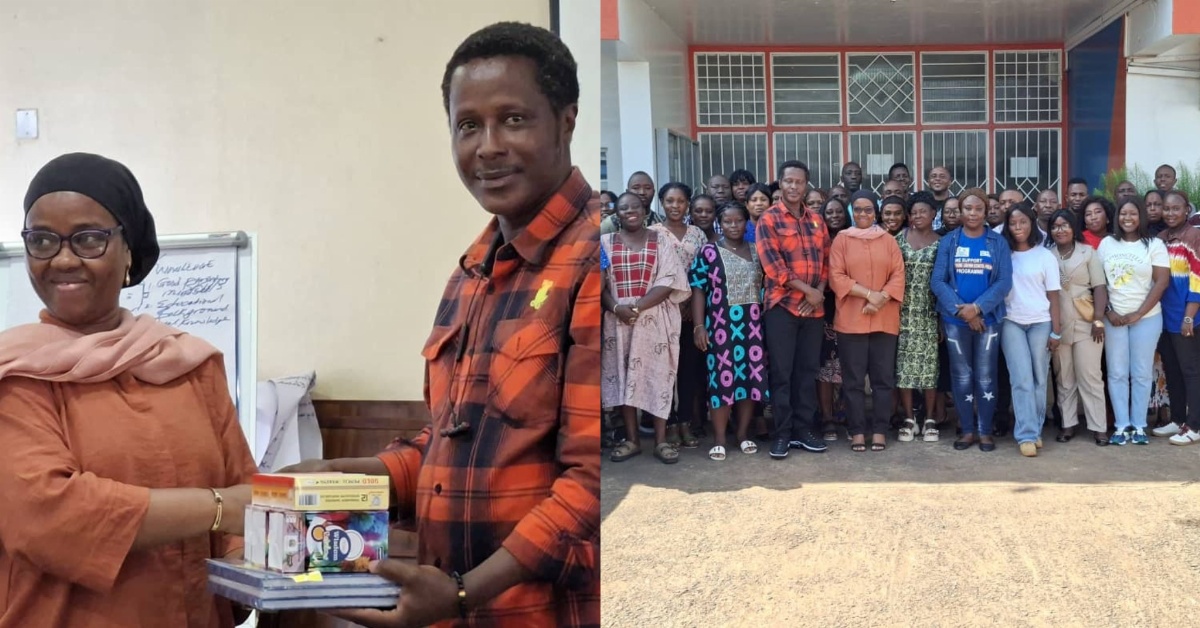
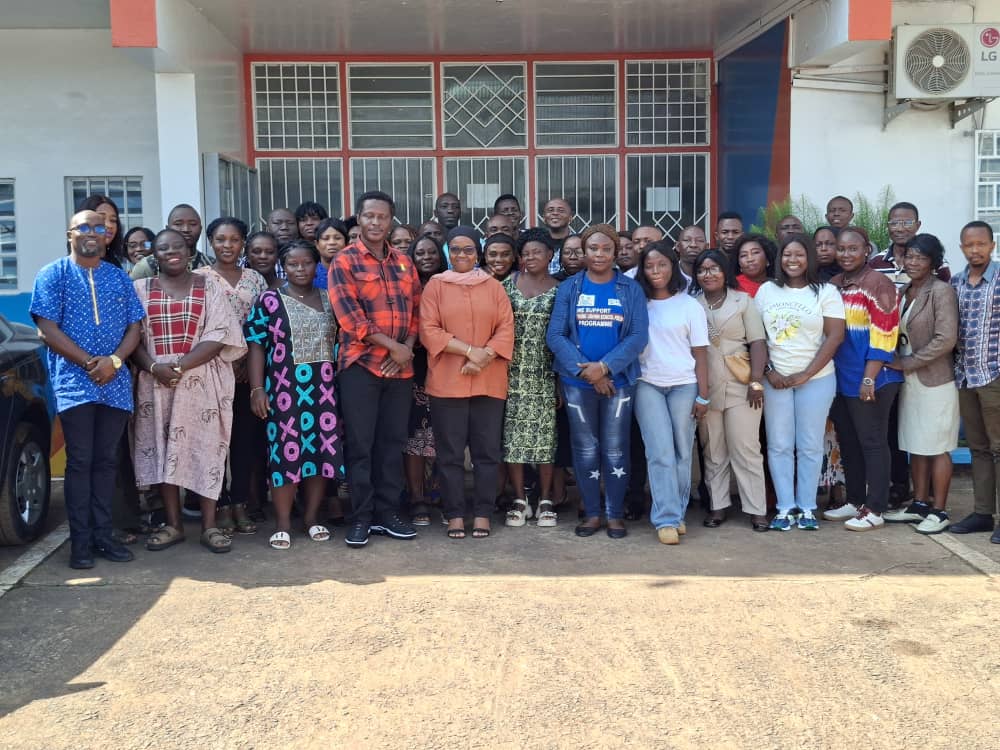
Plan International Sierra Leone has engaged heads of the Family Support Unit (FSU) across the Western Urban and Rural districts in a comprehensive training aimed at strengthening prevention and response to gender-based violence (GBV) against women and children.
The capacity-building session, held as part of the organisation’s ongoing support to state institutions, brought together senior FSU officers, social welfare representatives, and community-level actors to enhance their understanding of sexual violence and improve service delivery to survivors.
Speaking at the ceremony, Plan International’s Country Director, Mrs. Muniratu Issifu, underscored the significance of the training, noting that combating sexual violence requires more than addressing its physical manifestations.
“The goal is to raise awareness of the prevalence of sexual violence and motivate communities to confront it actively,” she said.
“Sexual violence must be understood beyond physical acts. It includes social and economic dimensions”
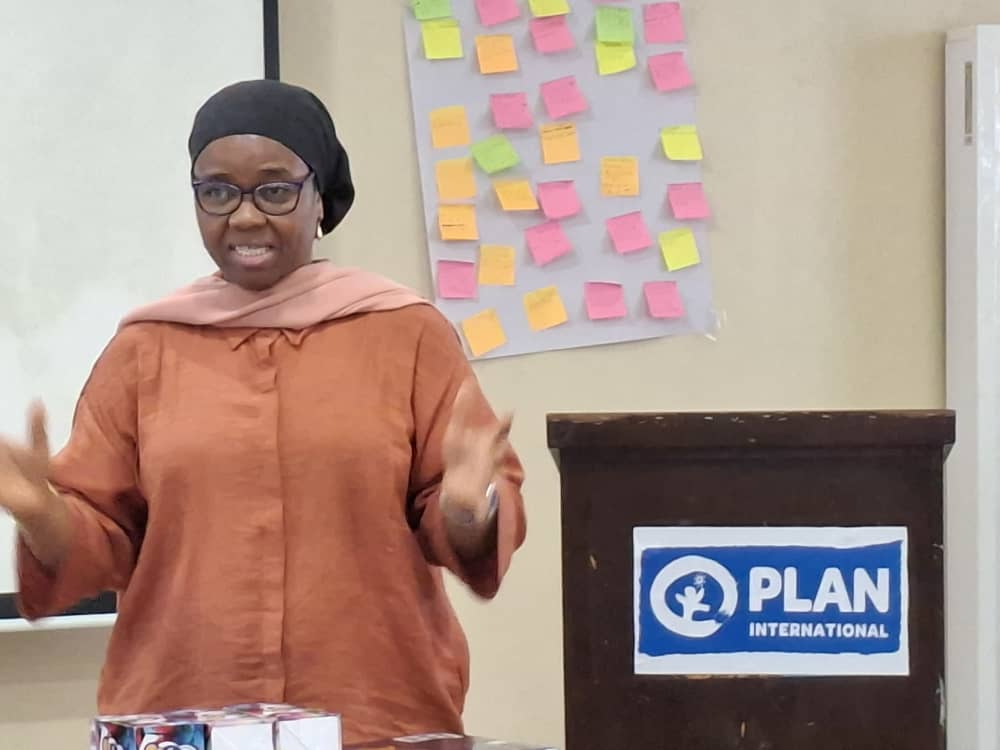
Mrs. Issifu highlighted the persistent gaps in support systems, particularly for marginalized groups whose access to family support services is often obstructed by distance, stigma, or closed stations. She stressed that confidentiality, trust, and accessible support structures are essential in building survivor confidence and ensuring timely reporting.
She further emphasized the international nature of sexual violence and human rights responses, noting that the issue transcends national borders and demands global collaboration.
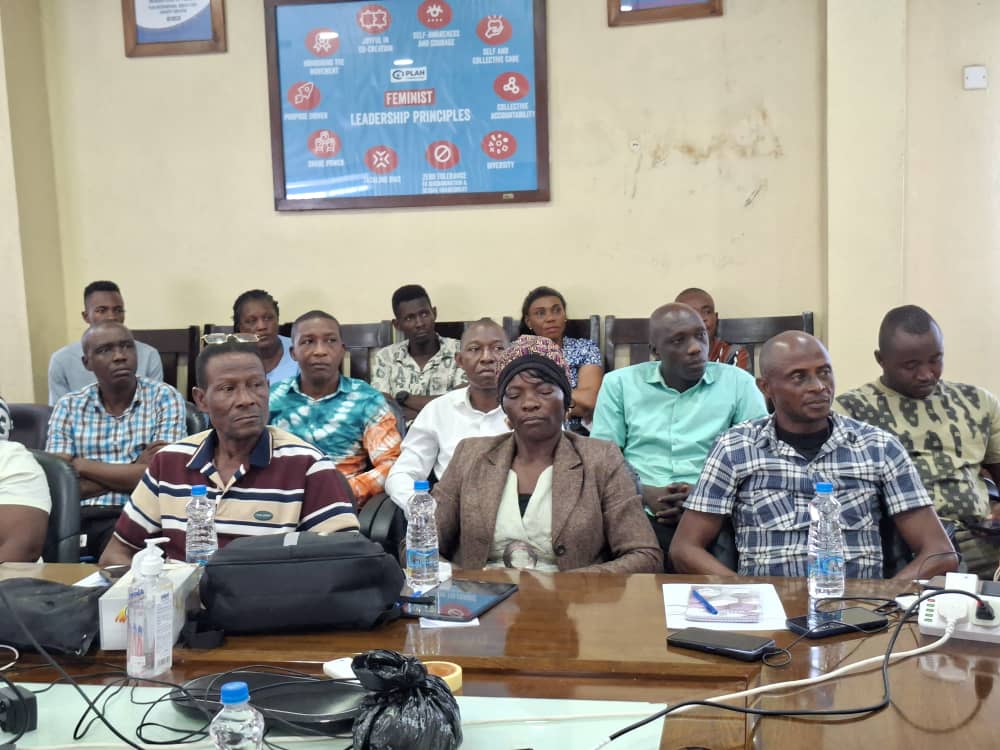
“Continuous, serious training is indispensable. It is the only way we can ensure sustainable impact,” she noted, appealing to participants to take the training seriously as it would guide future support interventions and justify investment in survivor-centred mechanisms.
Mrs. Issifu reaffirmed Plan International’s longstanding cooperation with public sector institutions in developing knowledge and skills needed to investigate GBV-related cases and protect vulnerable groups.
Head of the Family Support Unit, Mohamed S. Mansaray, delivered a strong call to action, describing the fight against human exploitation and sexual violence as one that requires proper preparation, dedication, and unity.
He expressed gratitude to Plan International for its continuous collaboration with the FSU and other state institutions.
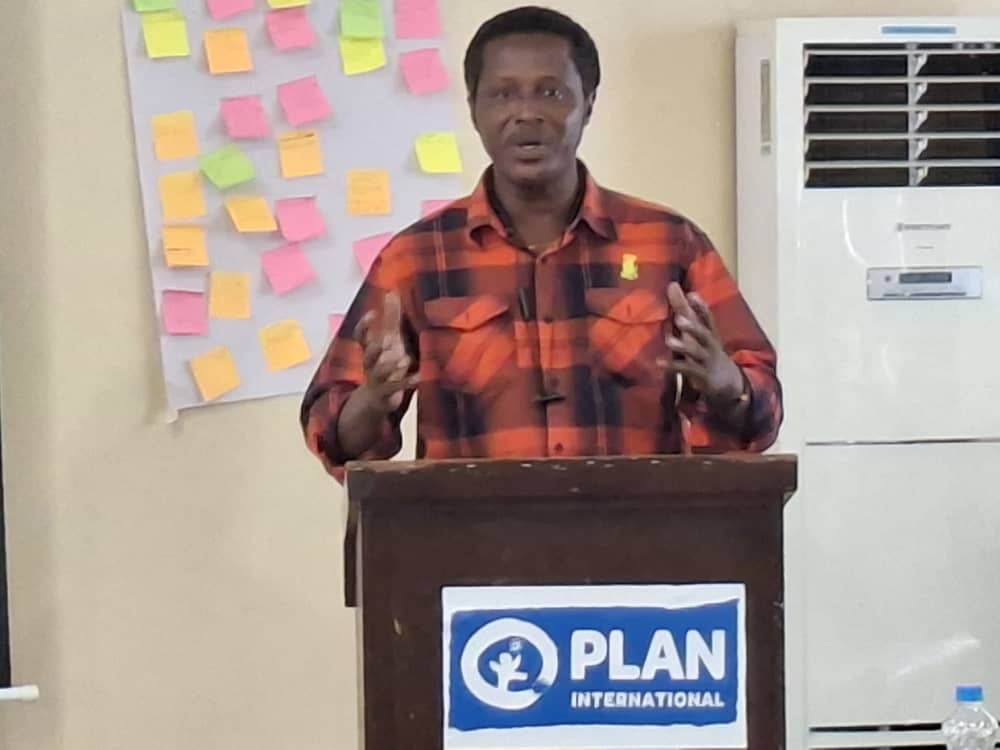
“We must be well-equipped for this mission. We remain committed to protecting the rights of the most vulnerable, ensuring these rights are not only recognized but actively defended,” he said.
Mansaray praised participants for their commitment to justice and community welfare, stressing that survivor protection and the sustainability of future generations depend on informed, compassionate intervention.
He noted that the nature of sexual violence is complex and cannot be reduced to sexual intercourse alone, emphasizing that harmful actions and behaviours shape the roots and consequences of the problem.
Mansaray also echoed concerns about the closure of some support stations, which limits access for victims’ families. He underscored the urgency of reopening and strengthening these support mechanisms to restore community trust.
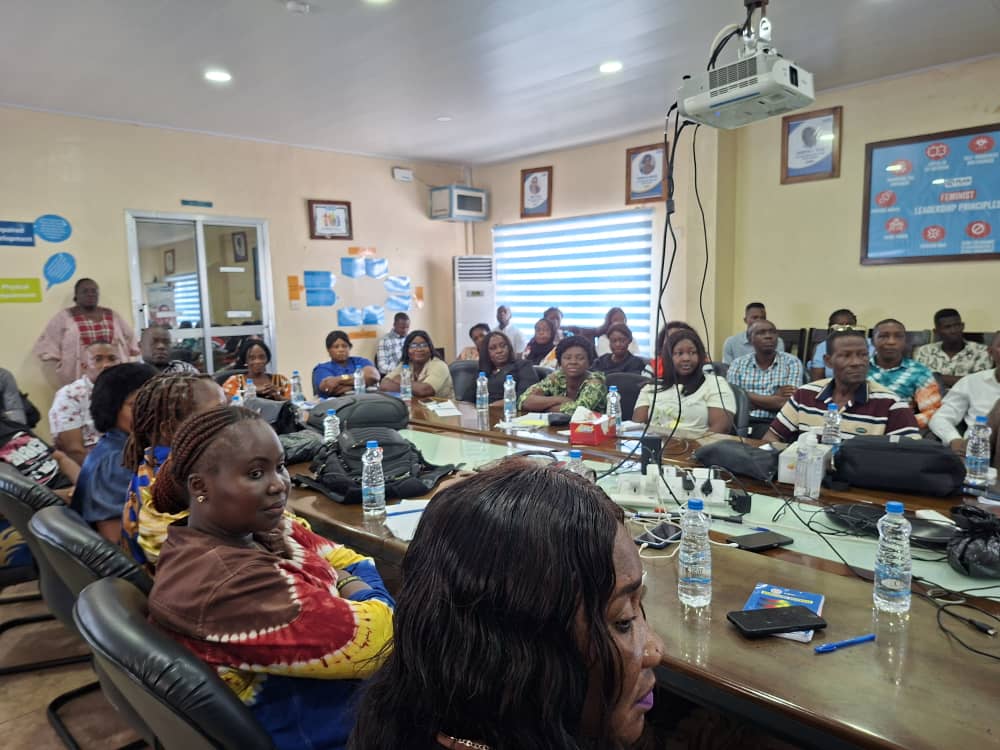
“Training is now moving from superficial approaches to deeper, more comprehensive methods. We must remain engaged and ensure survivors feel safe enough to share their experiences,” he added.
He encouraged officers to actively participate in upcoming training phases, reaffirming that data-driven strategies, confidentiality, and family support structures are central to protecting survivors.
One of the participants described the initiative as a timely intervention, especially as institutions prepare for the new year.
“This is a laudable step by Plan International,” the participant said.
“We are leaving with a package of knowledge that we will apply in our institutions. Some of the decisions we make are obstructed by social and gender norms, but with this training, I believe we can implement better practices and support victims more effectively.”
The participant added that the training reinforces the importance of field-level engagement, community sensitization, and strengthening justice pathways for child protection.
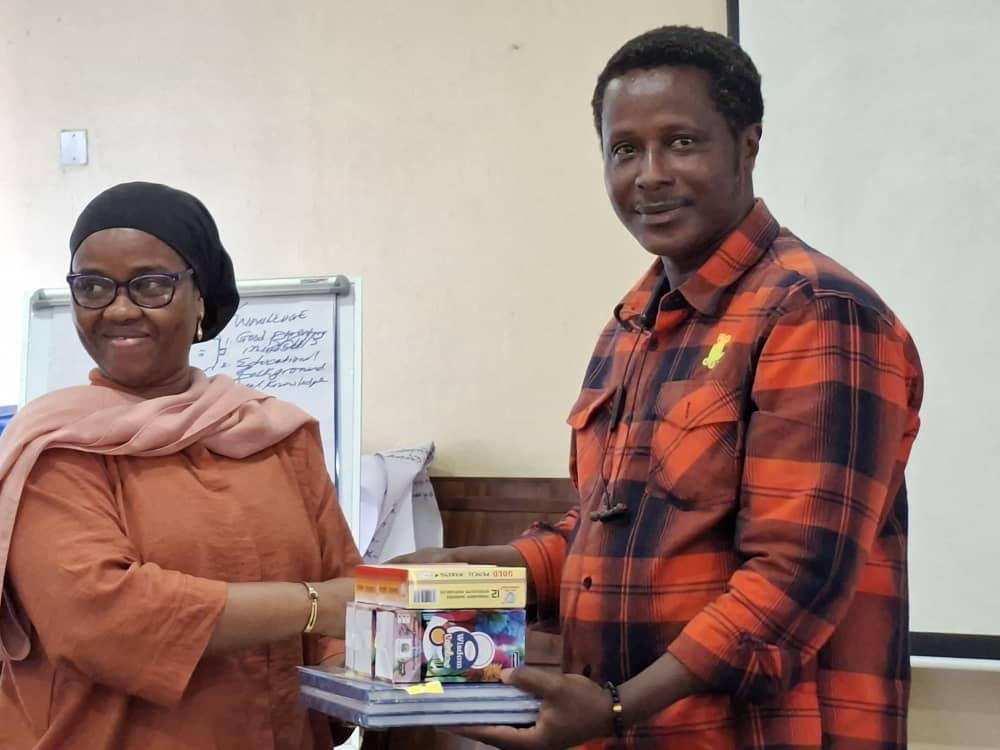
The event climaxed with Plan International presenting working materials to the Family Support Unit to aid in their work and enhance their operational effectiveness in responding to cases of gender-based violence.
Officials expressed optimism that the training and donated resources will significantly improve the quality of support provided to survivors and strengthen the national fight against sexual violence.