

 Post a comment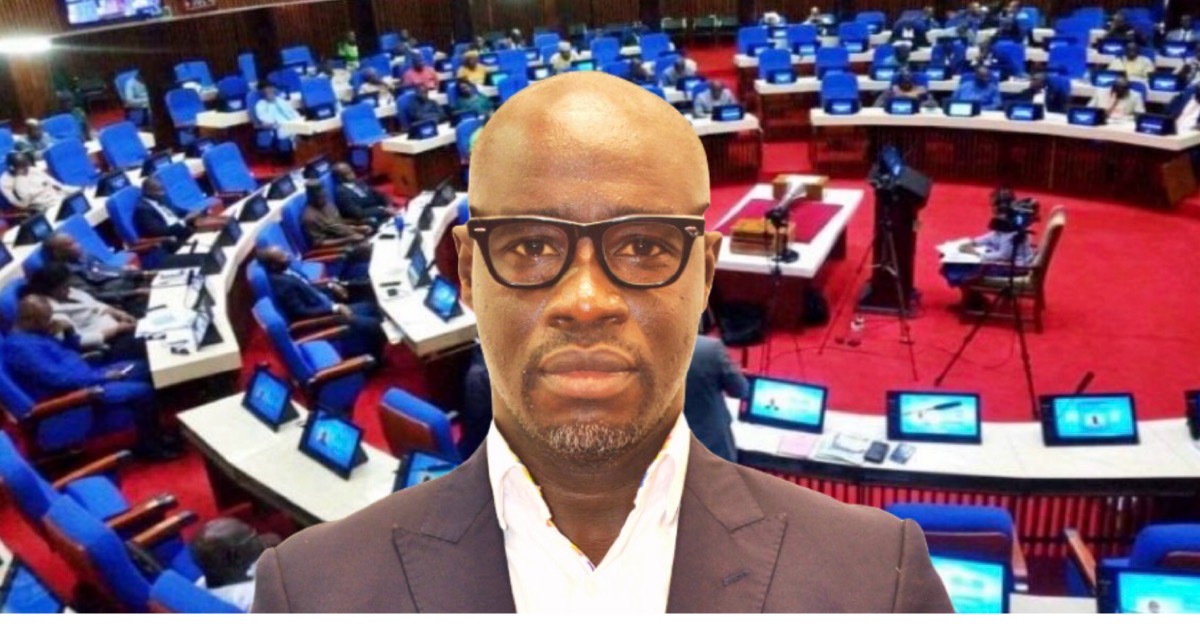
The Deputy Speaker of Parliament, Ibrahim Tawa Conteh, has said that the demands made by the opposition to overhaul the country’s electoral process are “not even possible” in practice, as political tensions continue to mount following recent elections.
His remarks come amid an ongoing standoff between the ruling Sierra Leone People’s Party (SLPP) and the opposition All People’s Congress (APC), with efforts to reach a political settlement yet to yield results.
The APC recently declared that it would not return its Members of Parliament and councillors to state institutions “unless and until” its demands are met. Among these demands is the removal of the newly appointed Chief Electoral Commissioner.
Speaking in an interview with Truth Media, Conteh criticised the APC’s position, accusing the party of creating obstacles to ongoing dialogue aimed at resolving post-election disputes.
“What the APC is asking for is not too much in theory, but in practice it is not even possible,” he said. “Every day, new issues keep emerging.”
Conteh warned that the growing trend of disputing election results and refusing to accept outcomes could undermine democratic governance if not properly managed.
He also referenced recommendations from the Justice Cowan Constitutional Review, which proposed the creation of a multi-party committee to oversee the appointment of electoral commissioners, excluding direct presidential involvement.
According to Conteh, the review process was widely consultative, involving political parties and civil society organisations, including the Inter-Religious Council of Sierra Leone and the Sierra Leone Labour Congress.
He further noted that the APC, during its time in government, supported retaining Section 32(3) of the Constitution, which empowers the president to appoint members of the electoral commission.
“It is insincerity on the part of the APC to now reject what they had previously agreed to,” Conteh stated.
While the APC maintains that the current electoral system lacks credibility, Conteh dismissed the claim, arguing that the issue is less about constitutional provisions and more about political good faith.


