Post a comment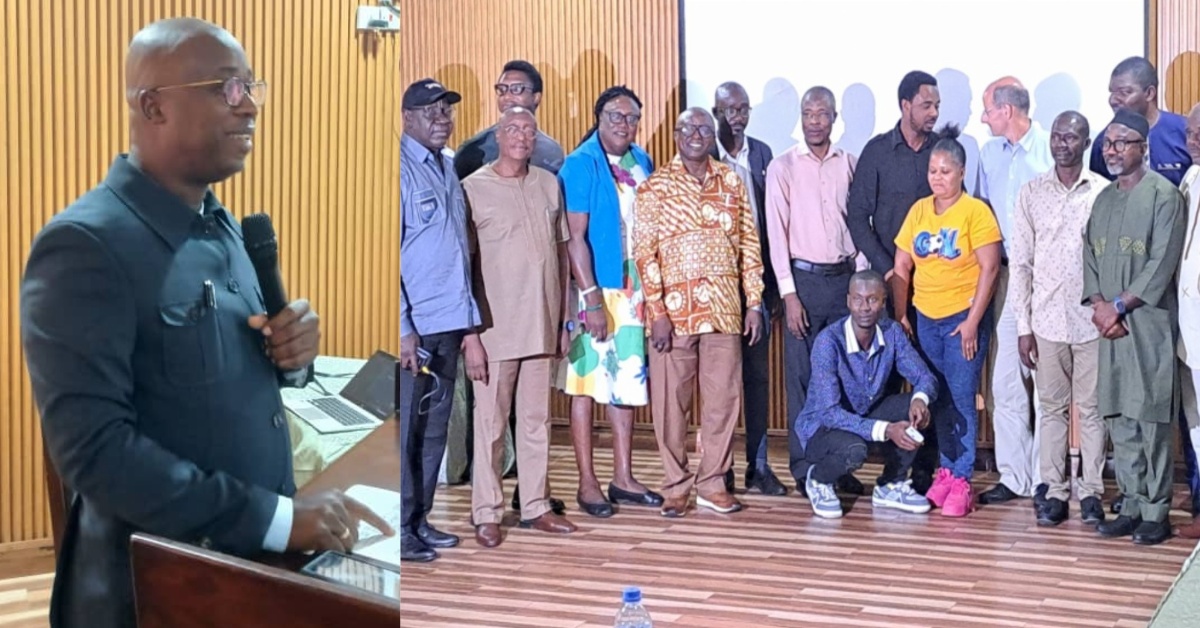
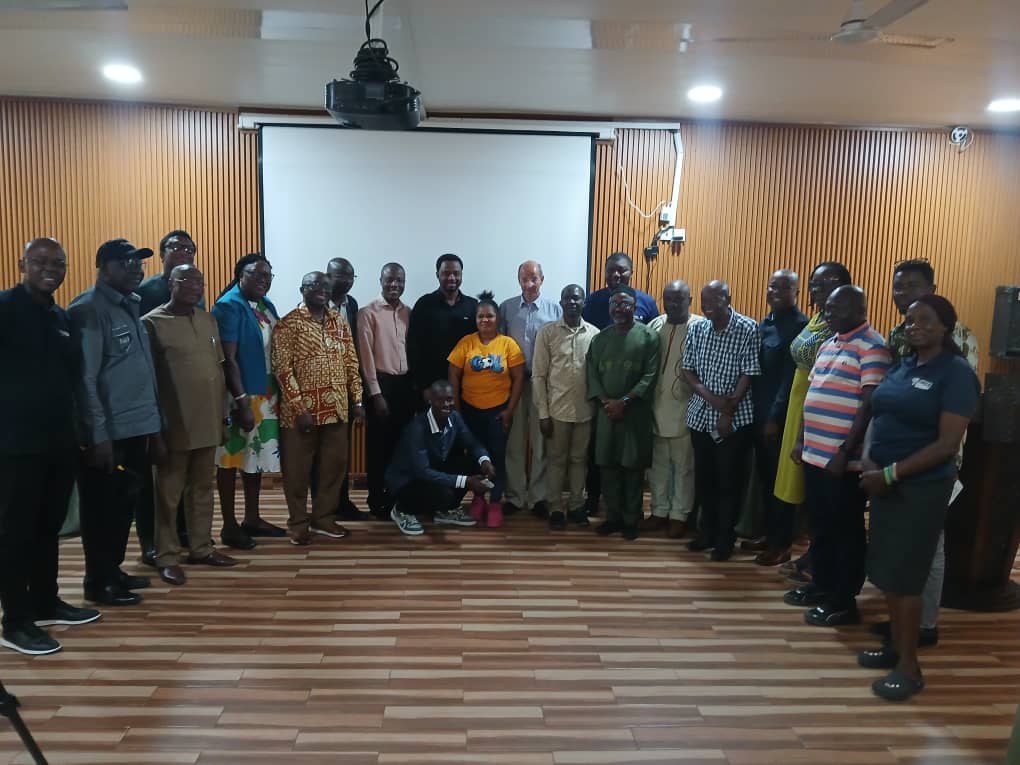
The Young Men’s Christian Association (YMCA) Sierra Leone on Wednesday officially launched Phase II of its Youth Livelihood and Employment Project at a high-level workshop held at the Council of Churches in Sierra Leone (CCSL) Hall, Kingharman Road, Freetown.
The launch brought together a cross-section of stakeholders, including government officials, international development partners, civil society leaders, and youth beneficiaries.
This second phase builds on the impressive success of Phase I, which ran from April 2022 to March 2025, reaching over 750 youth in Freetown, Lungi, Bo, and Kenema. The event brought together government officials, development partners, youth leaders, and civil society organizations to reflect on achievements, share lessons learned, and unveil plans for the next stage of implementation.
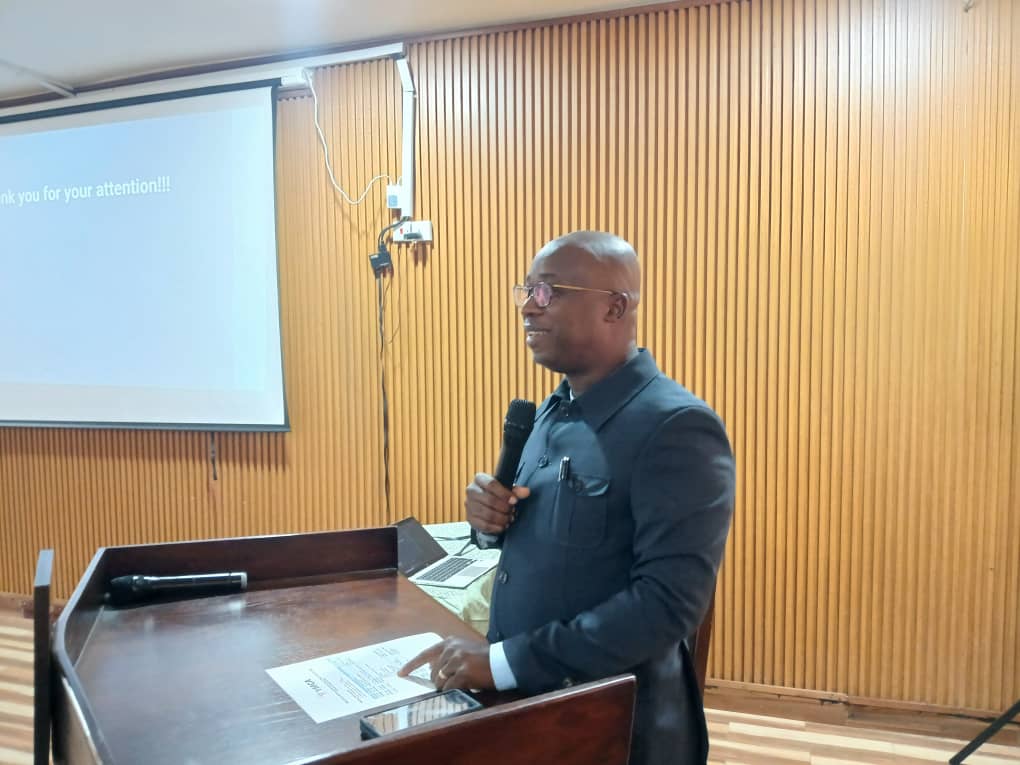
In his welcome statement, Christian Kamara, National General Secretary of YMCA Sierra Leone, offered a historical perspective on the organization’s work, reaffirming YMCA’s dedication to holistic youth development.
He noted that the YMCA in Sierra Leone was established in 1912 and has played a significant role in youth development for over a century. The organization focuses on the holistic growth of young people encompassing physical, mental, and spiritual well-being and has expanded its presence to 23 local communities. Adding that It has been actively involved in peacebuilding, education, and skills training programs, particularly for ex-combatants and vulnerable youth, demonstrating a long-standing commitment to youth empowerment and social transformation.
Presenting the background and objectives, Project Manager Joseph Kange outlined the major milestones from Phase I. The initiative 90% funded by Bread for the World-Germany and 10% by YMCA Sierra Leone targeted vulnerable youth, including persons with disabilities, young mothers, and street-involved youth. It successfully trained 500 youth in entrepreneurship and 250 in vocational/TVET skills, maintaining a 70% female and 30% male gender balance.
Phase I of the project recorded several impactful outcomes. A total of 250 micro-grants were issued, enabling the launch of 220 youth-led businesses 88% of which are still active.
In addition, 250 graduates received vocational start-up kits, leading to the establishment of small enterprises such as tailoring shops and hair salons by 200 of them. Within six months of graduation, 65% of vocational trainees reported earning income from their acquired skills.
The overall employment rate among participants reached 62%, with 51% engaged in self-employment and 11% in wage employment. Beneficiaries who received capital support experienced a 35–40% increase in their monthly income. Notably, the initiative also contributed to secondary job creation, as 40% of youth-run businesses hired at least one additional employee.
Phase II of the project marks a renewed vision, launched alongside the 2025 Status of Youth Report (SoYR), which highlights urgent challenges facing Sierra Leone’s youth ranging from high urban unemployment driven by rural-urban migration to a mismatch between academic training and labour market needs.
The report also reveals that only 46% of boys and 67% of girls complete secondary school, while 63% of young people, particularly women and persons with disabilities, rely on charitable support.
Building on the foundation of entrepreneurship training, vocational skills development, and psychosocial support, Phase II introduces a Sustainability and Resilience Plan.
Key features include the construction of a solar-powered Vocational Training Centre in Kenema with eco-friendly infrastructure; integrated training in solar installation, plastic recycling, and climate-smart agriculture; access to start-up capital and market linkages; and youth advocacy platforms for engagement in national employment policy dialogues.
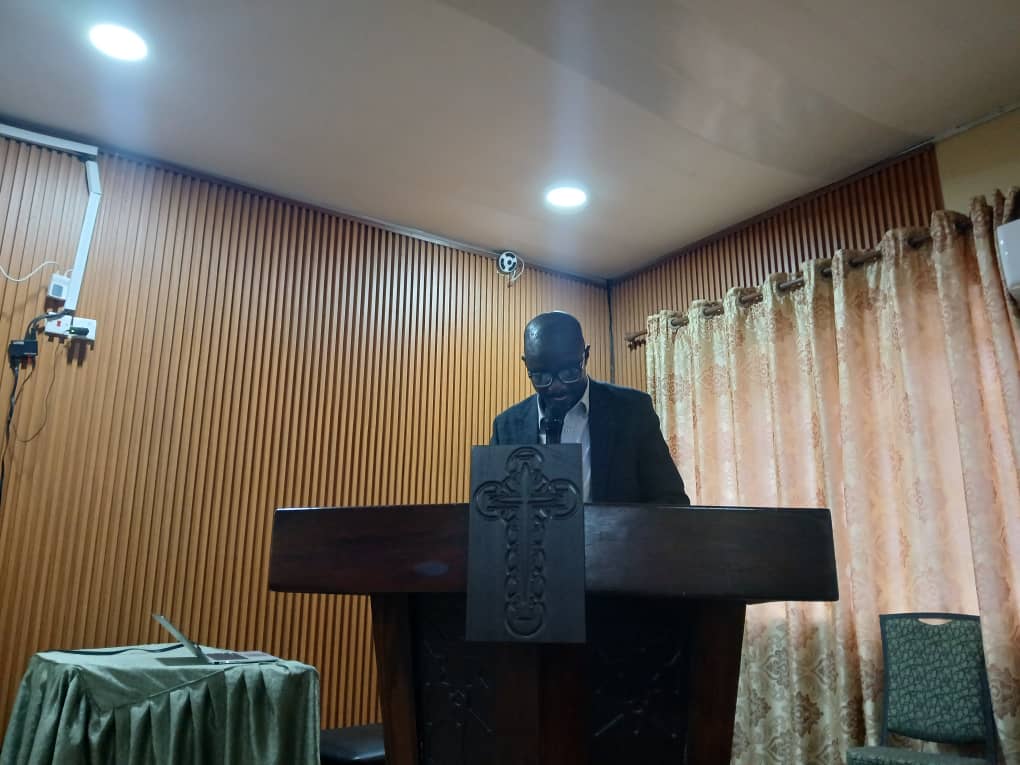
Delivering a passionate address at the launch of Phase II of the Youth Livelihood and Employment Project, National Board Chairman of YMCA Sierra Leone, Aiah Kpakiwa, described the event as a landmark moment in the organization’s mission to transform the lives of young people.
He said it was a profound privilege to witness such a bold and necessary initiative, which he referred to not just as a project, but as a platform of possibility for the youth of Sierra Leone.
Kpakiwa emphasized the urgency of equipping young people not only with practical skills but also with the confidence and competence to thrive in today’s competitive world. He noted that YMCA recognizes the immense potential within every young person and is committed to helping them navigate the challenges of the modern job market with dignity and determination.
Acknowledging the structural barriers facing youth such as limited access to quality education, employment, and entrepreneurship opportunities, he reaffirmed YMCA’s dedication to creating avenues for young people to compete, excel, and succeed. He said the project stands as a testament to this commitment, combining vocational training, mentorship, and entrepreneurship support to empower youth to become self-reliant and productive members of society.
Kpakiwa further highlighted the alignment of the project with Sierra Leone’s Human Capital Development Initiative, describing it as a way of turning policy into practical, life-changing impact.
He concluded by expressing gratitude to all donors, partners, and volunteers especially Bread for the World-Germany for their unwavering support. Addressing the youth directly, he said the project was “for you, by you, and with you,” and urged them to seize the opportunity to become the change-makers Sierra Leone needs
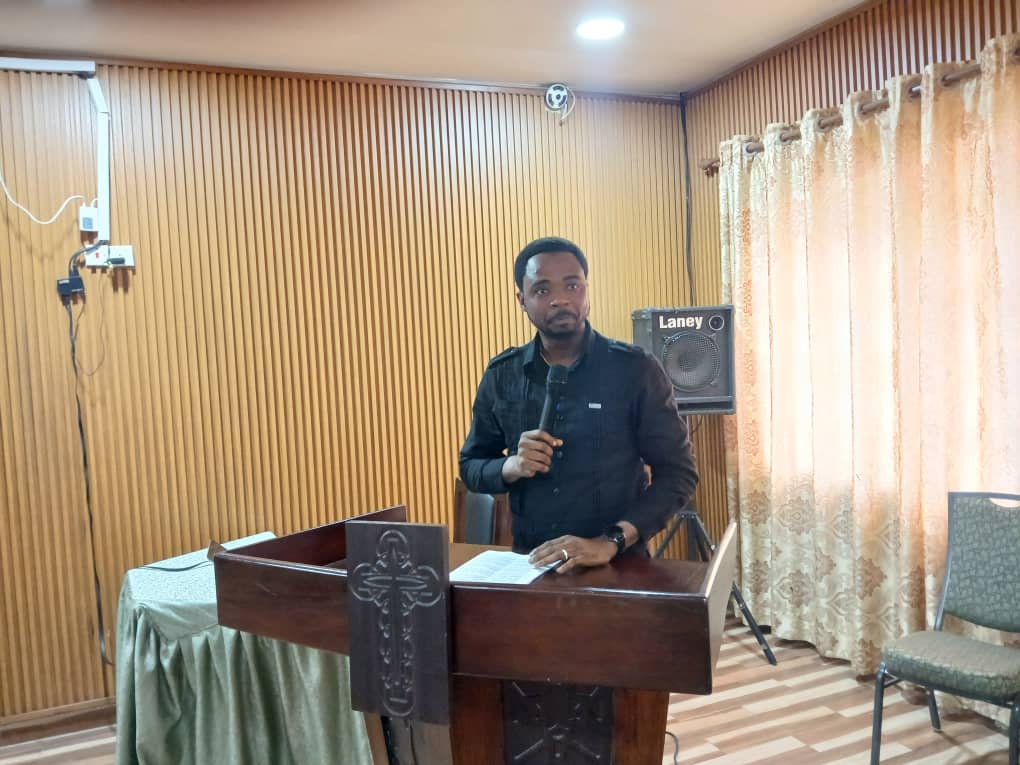
In a powerful and forward-looking keynote address, the Minister of Youth Affairs, Ibrahim Sannoh, described the launch of Phase II of the Youth Livelihood and Employment Project as a strategic response to Sierra Leone’s pressing youth employment and education challenges, as outlined in the newly released Status of Youth Report (SoYR) 2025.
Minister Sannoh expressed deep personal alignment with the project, noting that it resonates with him not just in his official capacity, but as a champion for young people. He stressed that youth are not merely leaders of tomorrow, but the creators, innovators, and changemakers of today.
Citing sobering statistics from the SoYR 2025, he outlined the scale of the challenge:
The youth poverty rate stands at 55.5%, with over 63% especially young women and persons with disabilities depending on charitable support.
Only 22% of young people are in paid employment, and a significant gender gap persists.
Although 33% of youth are engaged in agriculture, many reject the low wages, and 1 in 5 remain unemployed.
These findings, he said, underscore the urgent need for development interventions that are youth-centered, data-driven, and tailored to community needs.
The Minister applauded YMCA’s multifaceted approach, which combines skills training, entrepreneurship, mental health support, and advocacy platforms to create a more comprehensive solution for youth development.
“This project addresses not just economic gaps, but also social and emotional needs,” he stated. “Psychosocial support for 500 youth, integration of life skills, and the inclusion of young mothers and caregivers make this a truly holistic intervention.”
He also highlighted the upcoming construction of a solar-powered Vocational Training Centre in Kenema, commending it as a model for climate-resilient infrastructure and sustainable development. The project, he emphasized, not only trains young people but also prepares them to lead in green industries and climate-smart businesses.
Concluding his remarks, the Minister issued a call for collective action, urging public and private stakeholders to support youth-led businesses, mentor young entrepreneurs, and advocate for inclusive policies.
“This project is not a silver bullet, but a vital building block,” he said. “I commit my Ministry’s full support to this initiative.”
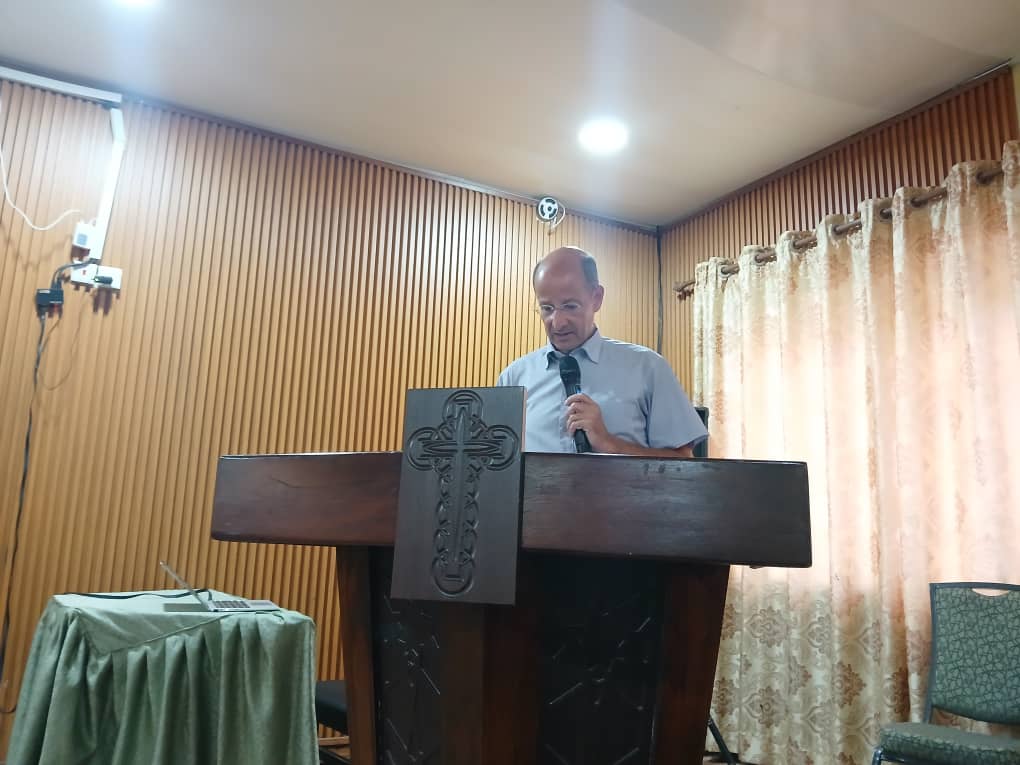
Deputy Ambassador Mike Schamotzki of the German Embassy, representing Ambassador Kraus-Massé, expressed Germany’s pride in supporting this initiative through Bread for the World.
“This is not just a development project it’s a transformative platform,” he said. “It’s equipping youth with practical, market-relevant skills and contributing to broader goals like gender equity, sustainability, and social justice.”
He emphasized that Germany remains committed to partnerships that empower young people and create lasting change.
The event drew key stakeholders, including members of the Parliamentary Committee on Youth Affairs, officials from MOPED, SLANGO, and representatives of Irish Aid—all of whom commended YMCA’s model and pledged ongoing collaboration.
Francis Reffell, SLANGO’s Board Treasurer, highlighted the alignment of the initiative with the Government’s Big Five Agenda, particularly Pillar Three, which targets job creation and youth empowerment. He urged young people to take ownership of the opportunity, emphasizing that true impact would come only through full participation and dedication to the training and entrepreneurial journey.
Echoing similar sentiments, Sheka Osman Turay, Acting Director of the NGO Affairs Directorate, reiterated the government’s endorsement of the project, describing it as a timely and impactful effort that advances national development priorities and supports the empowerment of young people across Sierra Leone.
The most touching moments came from two youth beneficiaries who shared how the project had transformed their lives. Zara Bangura, for instance, now runs a thriving online cosmetics and clothing business. The other, once a school dropout, is now a certified electrical technician earning a stable income.
The event ended with a formal launch of Phase II by the Minister of Youth Affairs, symbolizing national endorsement for the initiative.
YMCA’s Youth Livelihood and Employment Project Phase II represents a comprehensive, inclusive, and evidence-based approach to youth empowerment in Sierra Leone. By focusing on skills, sustainability, and community partnerships, the project offers a blueprint for addressing youth unemployment and unlocking the country’s most powerful asset its young people