Post a comment
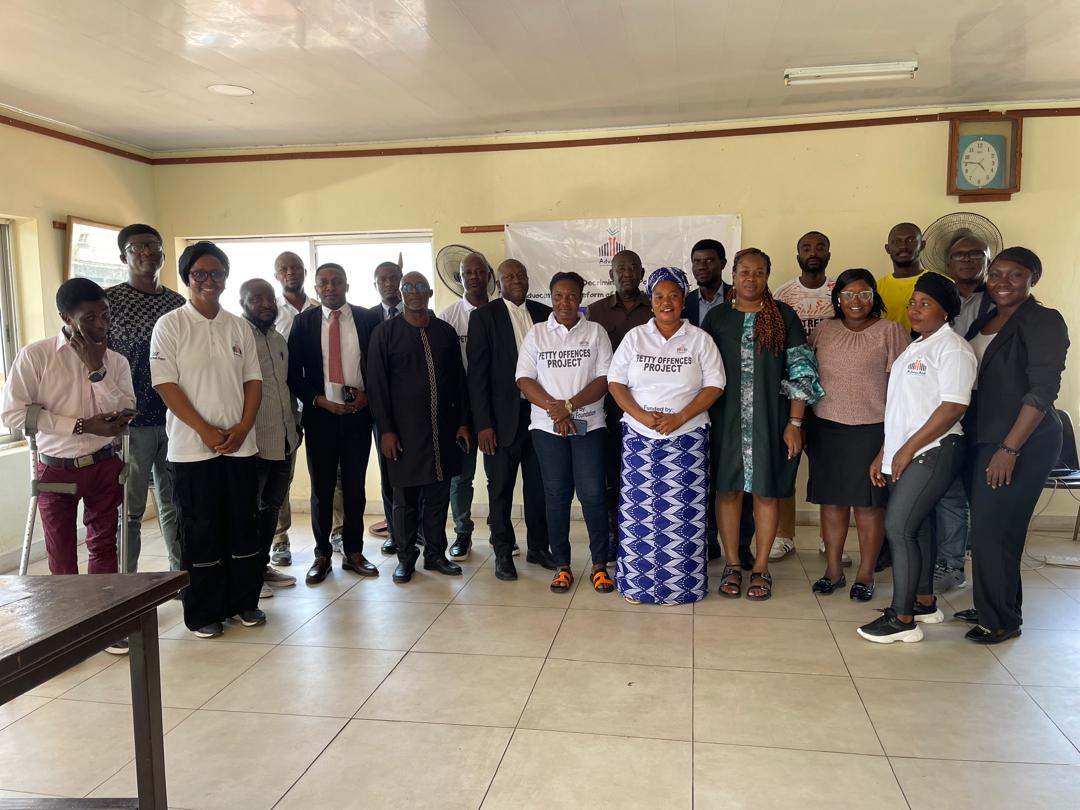
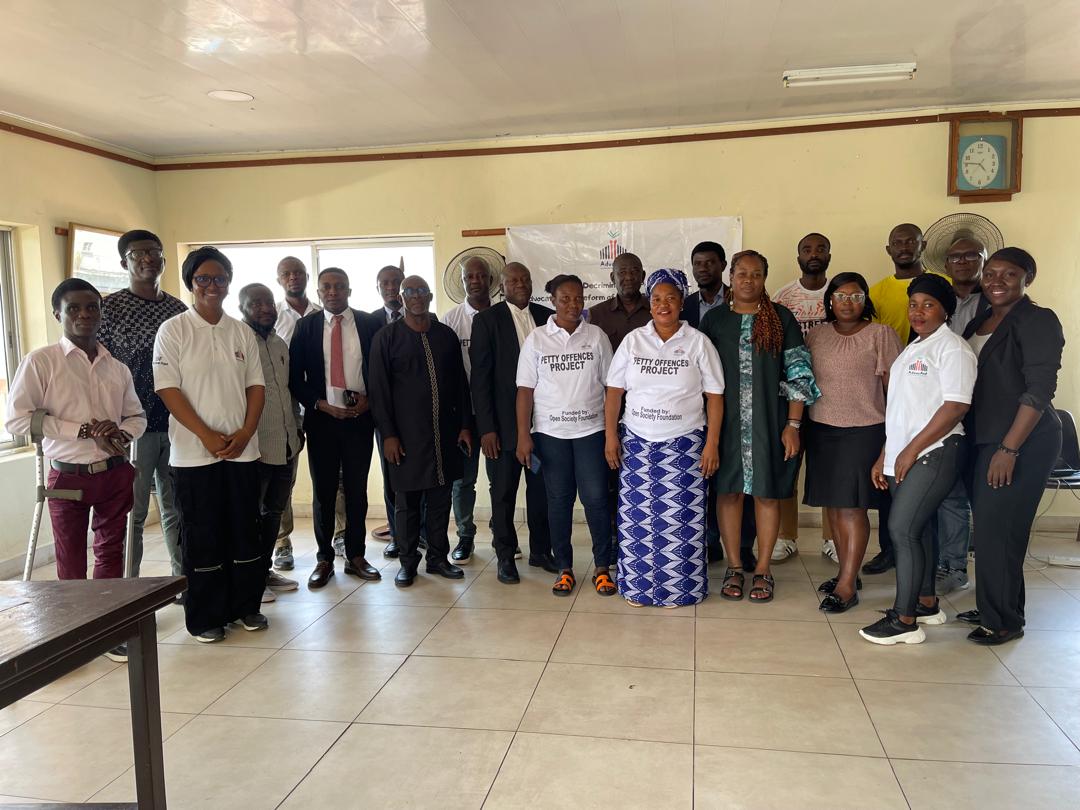
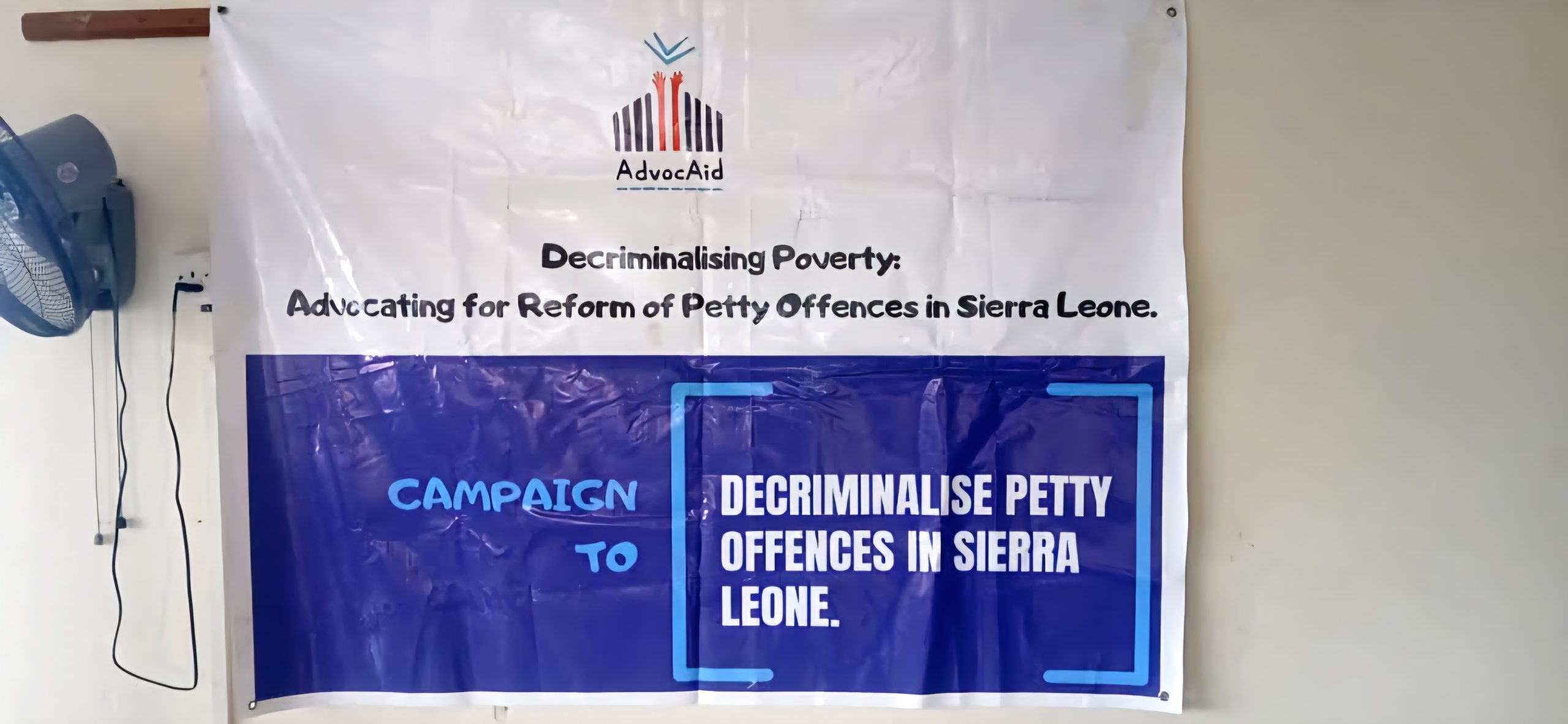
AdvocAid Sierra Leone has intensified its campaign to decriminalize and declassify petty offences, hosting a high-level engagement with parliamentarians, civil society organizations (CSOs), transport unions, and representatives of female sex workers in Freetown.
The dialogue, held on Wednesday, November 26, 2025, emphasized the urgent need to reform outdated colonial laws that criminalize minor violations and disproportionately affect vulnerable groups.
Project Officer Fatmata Bah welcomed participants and outlined the purpose of the engagement, highlighting that AdvocAid’s focus is on petty offences such as loitering, small debt cases, and minor traffic violations.
She noted that research conducted by the African chapter of the campaign revealed that many individuals convicted of petty offences serve long prison terms instead of short sentences, a practice inconsistent with regional recommendations.
“We have started this project since 2017 and we are still on it,” Bah said, stressing Sierra Leone’s obligation as a member state to align with ECOWAS and African Union directives on decriminalization.
Legal consultant Idrissa Kargbo Esq presented the proposed matrix for the Decriminalisation and Declassification of Petty Offences Act 2025, noting that many of Sierra Leone’s petty offence laws were inherited from colonial rule and are now used by law enforcement to arbitrarily arrest and detain citizens.
“These laws were designed to serve colonial interests, not the people of Sierra Leone,” Kargbo said, urging parliamentarians to consider the matrix seriously. He added that petty offences often criminalize poverty and violate basic human rights.
Members of Parliament expressed strong support for the initiative. Hon. Joseph Bash Kamara affirmed parliament’s commitment, noting that lawmakers had instructed AdvocAid to present the draft in matrix form for better review. Hon. Brima Mansaray voiced dissatisfaction with the continued imprisonment of citizens for minor offences, emphasizing, “Parliament is committed to seeing the effectiveness of the proposed matrix.”
Representatives of marginalized groups shared firsthand experiences of harassment and exploitation under current laws. Zainab Abu Kamara, Vice President of the Female Sex Workers Union, recounted instances of police extortion: “We are arrested, they ask for money, and if we do not pay, we have to pay with sex for our release.” Momodu Koroma, Vice President of the Drivers’ Union, and Bai Tarawally, Vice President of the Motorbike Riders Union, raised concerns about police officers demanding unnecessary payments and detaining members for extended periods.
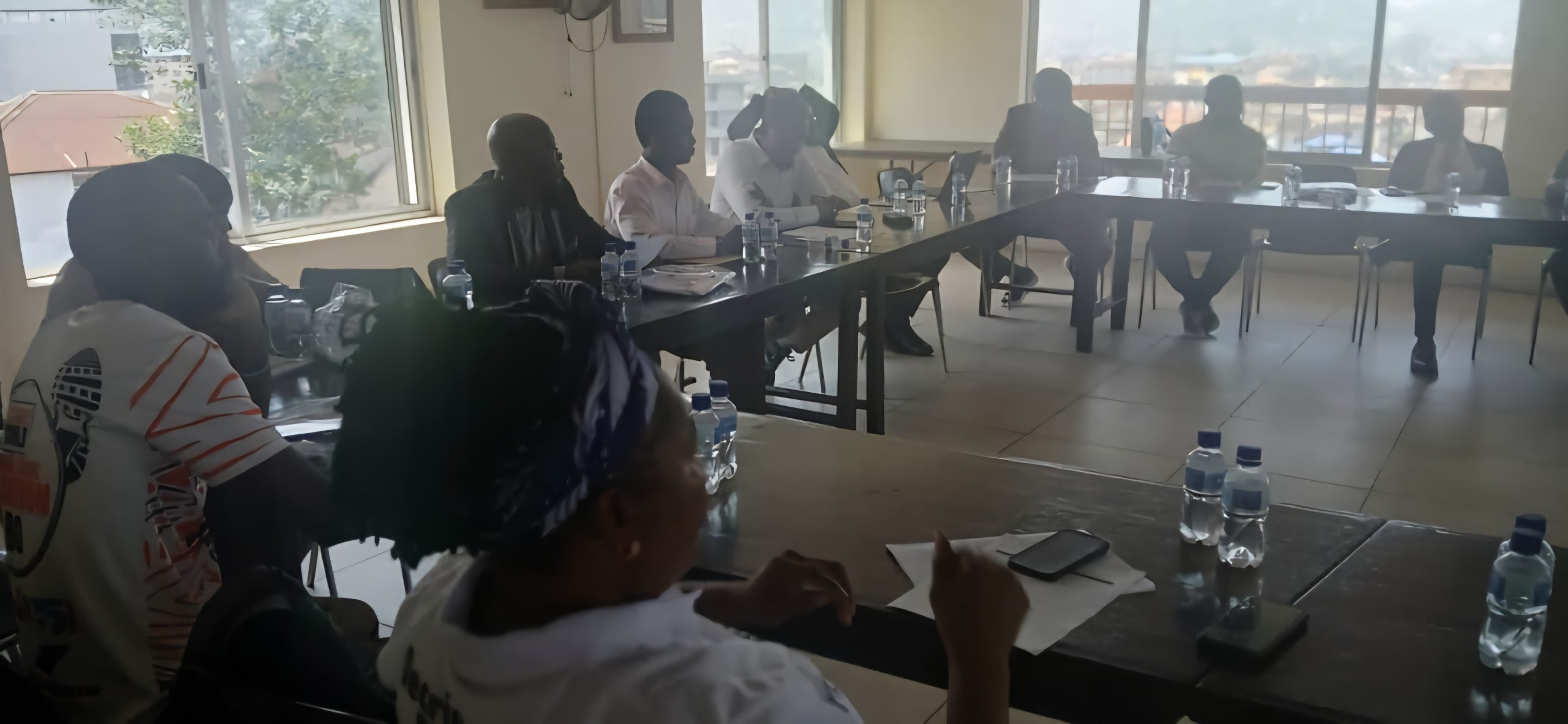
The engagement underscored a widespread consensus among parliamentarians, civil society, and affected communities that Sierra Leone must reform its petty offence laws.
AdvocAid’s campaign, ongoing since 2017, continues to build momentum toward a justice system that protects the rights of the poor and marginalized, reduces prison overcrowding, and aligns with international human rights standards.