

 Post a comment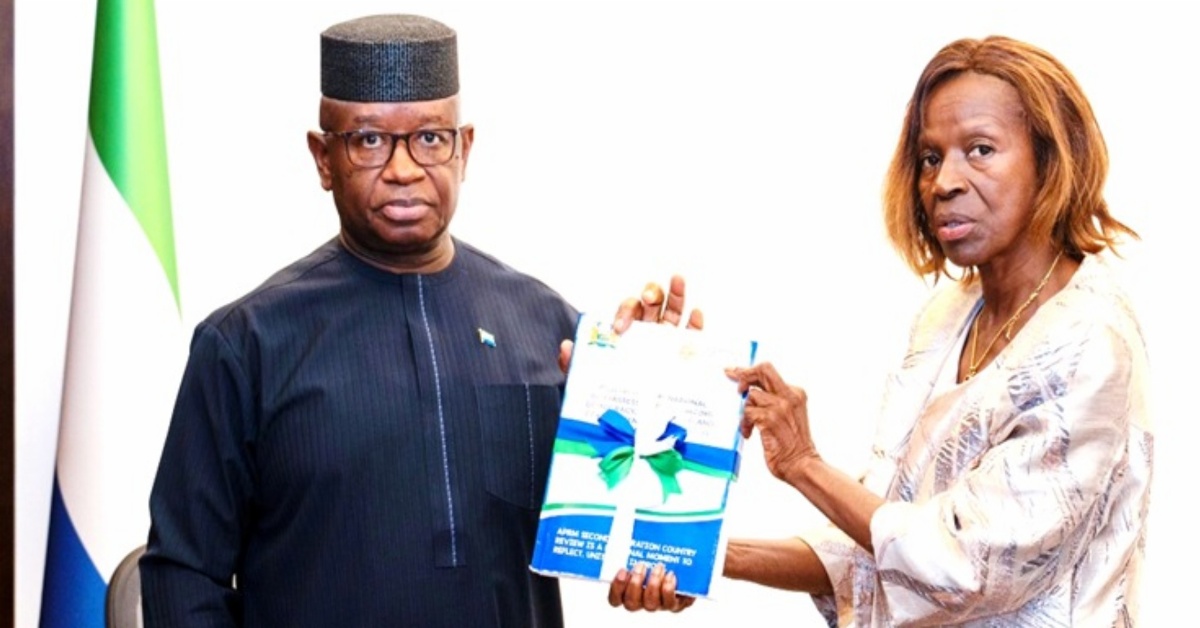
Sierra Leone’s Triumphant APRM Milestone: President Bio Receives Second-Generation Self-Assessment Report – A Catalyst for Enduring National Progress
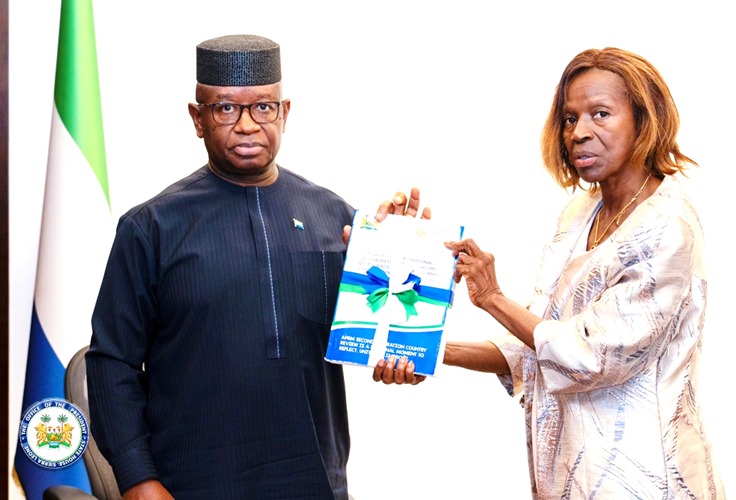
In a landmark ceremony at State House, His Excellency President Dr. Julius Maada Bio formally received Sierra Leone’s Second-Generation African Peer Review Mechanism (APRM) Country Self-Assessment Report (CSAR), marking a pivotal achievement in Sierra Leone’s commitment to democratic excellence and sustainable development.
This comprehensive document, born from months of inclusive nationwide consultations, stands as a beacon of transparency, offering a balanced reflection of Sierra Leone’s governance strides and forward-looking aspirations.
A Defining Moment in Democratic Accountability
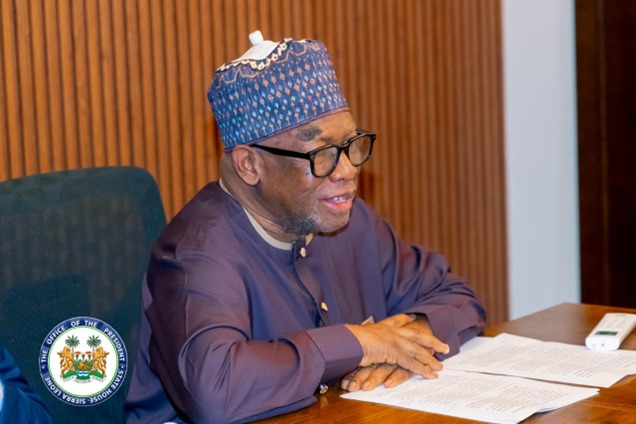
President Bio, in his gracious address to the APRM delegation, likened the report to “a mirror that truly reflects who we are as a nation.” He highlighted the February 2024 Memorandum of Understanding (MoU) that authorized this review, emphasizing his administration’s unwavering dedication to scrutiny and improvement. “As Chair of ECOWAS, I am proud that my government embraces this process,” he stated, underscoring peer review’s role in fostering good governance.
The President celebrated key investments in human capital, including free quality education for primary and secondary pupils, fee waivers for transitional exams, and scholarships for women in STEM fields. These efforts have yielded historic results, such as the unprecedented number of female engineering graduates from Fourah Bay College in its 200-year history. He also spotlighted advancements in health and food security, alongside democratic reforms like the repeal of Part V of the 1965 Public Order Act, liberating free speech and journalism, and the abolition of the death penalty, affirming Sierra Leone’s embrace of liberal democracy.
The APRM’s Enduring Legacy in Sierra Leone
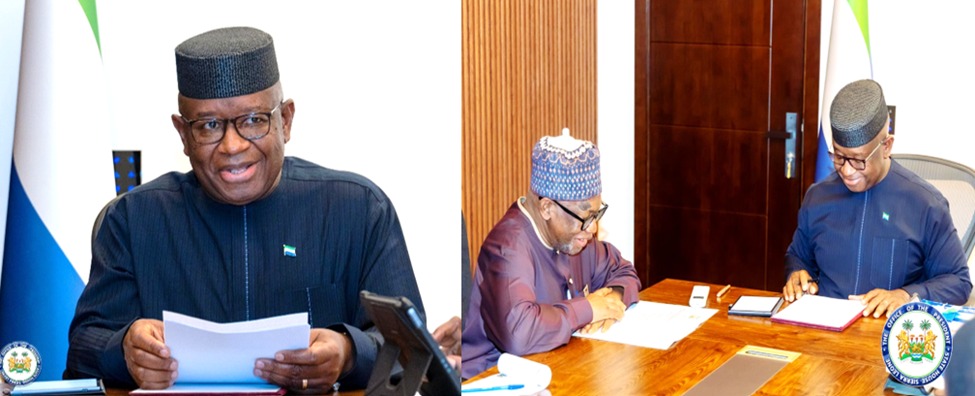
Minister of Planning and Economic Development, Hon. Kenye Barlay, who also serves as APRM National Focal Point, traced Sierra Leone’s pioneering role since joining the APRM in 2004. “We have been at the forefront of peace and security in West Africa,” she noted, praising the extensive consultations that informed the CSAR. Competent national consultants traversed the country, gathering insights from diverse stakeholders, which the APRM delegation then independently validated.

Executive Secretary Mohamed Sheshu Sheriff of the APRM National Secretariat attributed the review’s success to President Bio’s visionary leadership. “Every milestone in this report flows from His Excellency’s commitment to openness,” he said, citing Sierra Leone’s continental chairmanship of the APRM Forum (2022–2024) and its pioneering targeted reviews on health governance and unconstitutional changes of government.
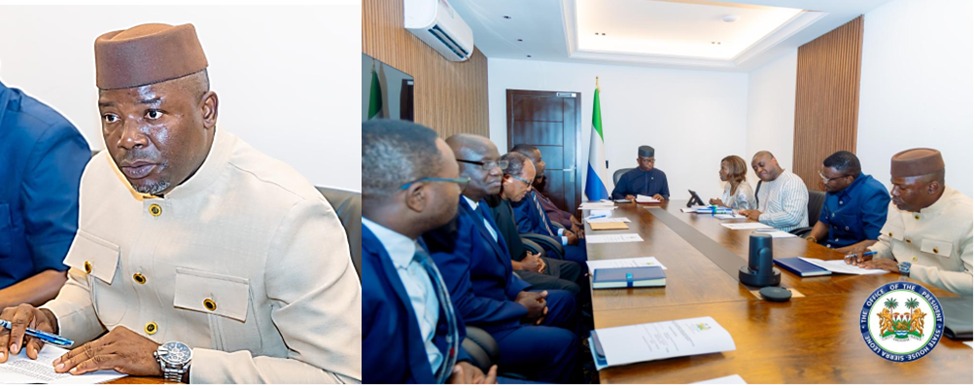
Ambassador Dr. Abdoulie Janneh, Lead Panel Member for Sierra Leone, commended the “highly conducive conditions” under which the mission operated, crediting President Bio’s strong political will. He lauded Sierra Leone’s national democratic consolidation, regional ECOWAS leadership in promoting peace and dialogue, and global advocacy for UN Security Council reform to ensure equitable African representation.
The Vital Role of Citizens and Stakeholders
The APRM process exemplifies inclusivity, drawing from broad engagements with government institutions, parliament, judiciary, political parties, civil society, media, and citizens. This participatory approach ensures the CSAR resonates with Sierra Leone’s diverse fabric, capturing aspirations from paramount chiefs to youth entrepreneurs.

The Strategic Importance of APRM Recommendations to National Development
Beyond its reflective value, the APRM’s recommendations are now a dynamic force for Sierra Leone’s advancement, especially with the Secretariat’s 2025 repositioning under the Ministry of Planning and Economic Development (MoPED). This integration transforms insights into actionable priorities within the Medium-Term National Development Plan (MTNDP 2024–2030), ensuring governance reforms directly fuel economic growth, social equity, and resilience.
For instance, recommendations on socio-economic development can accelerate investments in education and health, building on President Bio’s human capital initiatives to foster a skilled workforce. Economic governance suggestions will enhance fiscal transparency and attract foreign investment, while state resilience measures will bolster defenses against climate shocks and pandemics. Under MoPED, these are not suggestions—they are budgeted imperatives, driving Sierra Leone toward middle-income status by 2030. This alignment maximizes efficiency, minimizes silos, and ensures every citizen benefits from Africa’s peer-learning dividends.
A Bright Horizon for Sierra Leone
The successful conduct of this Second-Generation Review reaffirms Sierra Leone’s dedication to good governance as a pathway to prosperity. As President Bio noted, this is not an endpoint but a springboard. With the CSAR’s recommendations now poised for implementation, Sierra Leone stands ready to inspire Africa, proving that peer review fosters not just accountability, but shared, sustainable success.
For more information on the APRM process and full CSAR details, visit our website https://aprm.gov.sl/


