

President Bio Blasts WAEC Over Examination Fraud, Says Cheating Threatens Nation’s Future
 Sahid Bangura
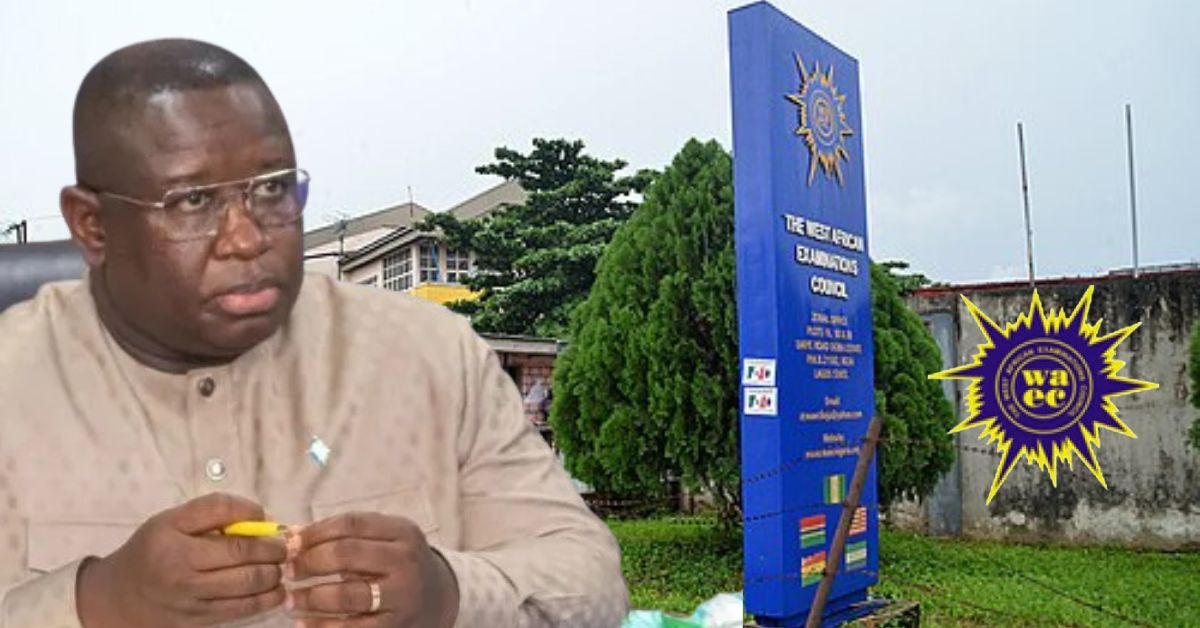
 President Julius Maada Bio has strongly criticized the growing culture of examination malpractice in Sierra Leone, accusing multiple stakeholders, including the West African Examinations Council (WAEC), parents and teachers, of contributing to widespread cheating in the country’s education system.
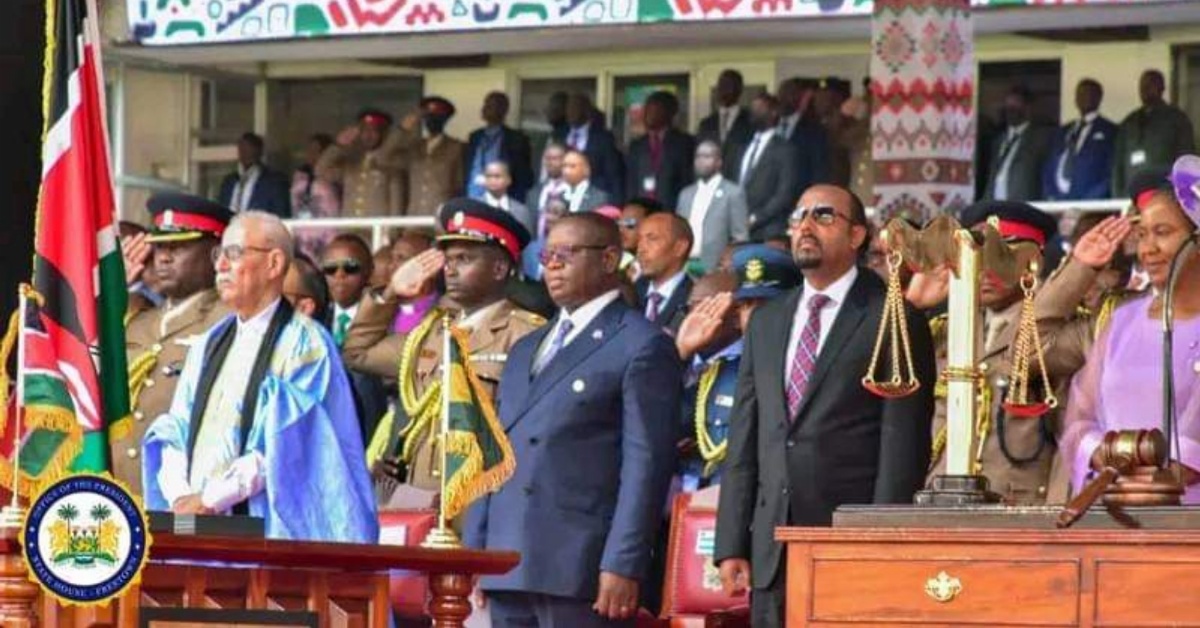
Speaking during the opening of the National Teachers Council (NATCA) office, President Bio expressed concern over what he described as a troubling trend that threatens the credibility of the nation’s educational standards and future workforce.
“WAEC is helping our children to cheat us,” President Bio said. “The Minister of Civic Education has a huge task ahead. Parents are helping their children to cheat, teachers are helping their students to cheat, and even WAEC is helping students to cheat us.”

The President said examination malpractice has become a national challenge that requires urgent attention and collective action from all sectors of society.
According to him, the continued encouragement of dishonest practices in schools undermines efforts to improve the quality of education and produce competent graduates capable of contributing meaningfully to national development.
“We have to change this because it will not help us as a nation,” he stated. “Students must stop cheating, and parents should stop buying answers for their children. By encouraging examination malpractice, we are only cheating ourselves and jeopardizing the future of our country.”
President Bio stressed that the consequences of examination fraud extend beyond the classroom, warning that the practice could weaken the country’s human capital and affect long-term development goals.
He called on students, parents, teachers, examination authorities and other education stakeholders to promote integrity, honesty and merit within the education system.
He emphasized that sustainable national development depends on a well-educated generation that earns academic success through hard work rather than dishonest means.
The President’s remarks come amid ongoing public discussions about examination malpractice and concerns over the quality and credibility of academic assessments in Sierra Leone.
His comments place renewed focus on the role of education stakeholders in safeguarding the integrity of public examinations and ensuring that academic qualifications reflect genuine learning and competence.
This is a matter of the kettle calling the pot black. Julius Maada Bio shiuld be the last person to talk about an institution being fraudulent or cheating. Julius Maada Bio stole the June 24th, 2023 elections and the whole world knows about it. He is free today because he commands the state security and can kill anyone who stands his way. Shame on you Julius Maada Bio!!!
The president has no reason to criticise or condemn the illegal practices of cheating in examination. He cheated in the last election to become president
He has no business to criticise any malpractice as he has not set an example in the national stage. He is shielding a drug baron as he is enjoying the sweets from ill gotten benefit. He is very dishonest and a big disappointment to the nation. I regret voting for him initially. He one of the worse president in the whole of Africa. Thieving bustard.