
Court Rejects Defense Bid to Tender Mobile Phone in Abdul Kpaka Murder Trial
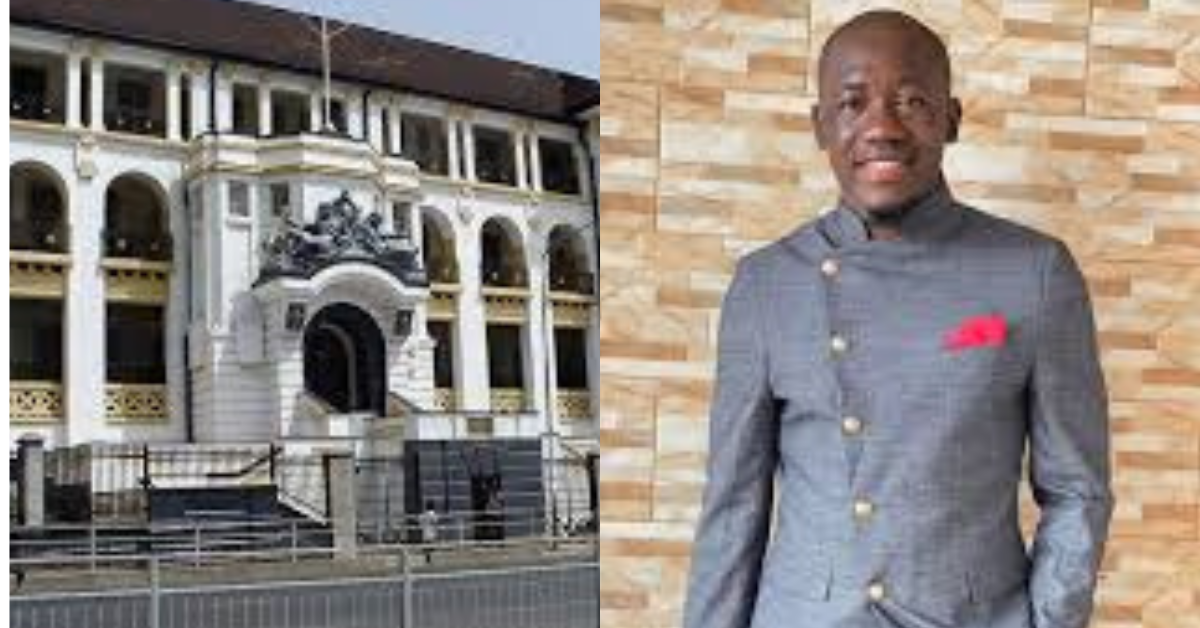
 Osman Tolo Sesay
 The ongoing murder trial of Abdul Kpaka has centered on a legal dispute over the admissibility of a mobile phone allegedly linked to the deceased, Sia Fatu Kamara, with the High Court rejecting an application by the defense to tender the device as evidence.
The issue arose during the testimony of prosecution witness Abdul Kpaka, when defense counsel sought to introduce a mobile phone said to belong to the deceased.
Lead Defense Counsel, Teddy Koroma, applied for the device to be admitted as an exhibit, informing the court that the phone had been submitted to the court’s cyber unit for examination and verification of its contents. He argued that the device had remained in the custody of the defense and that an independent third party had held it for more than three weeks.

Koroma further submitted that any concerns regarding the contents of the phone could be addressed after its formal admission into evidence. He maintained that the defense intended to rely on the contents to ensure a fair and complete presentation of its case.
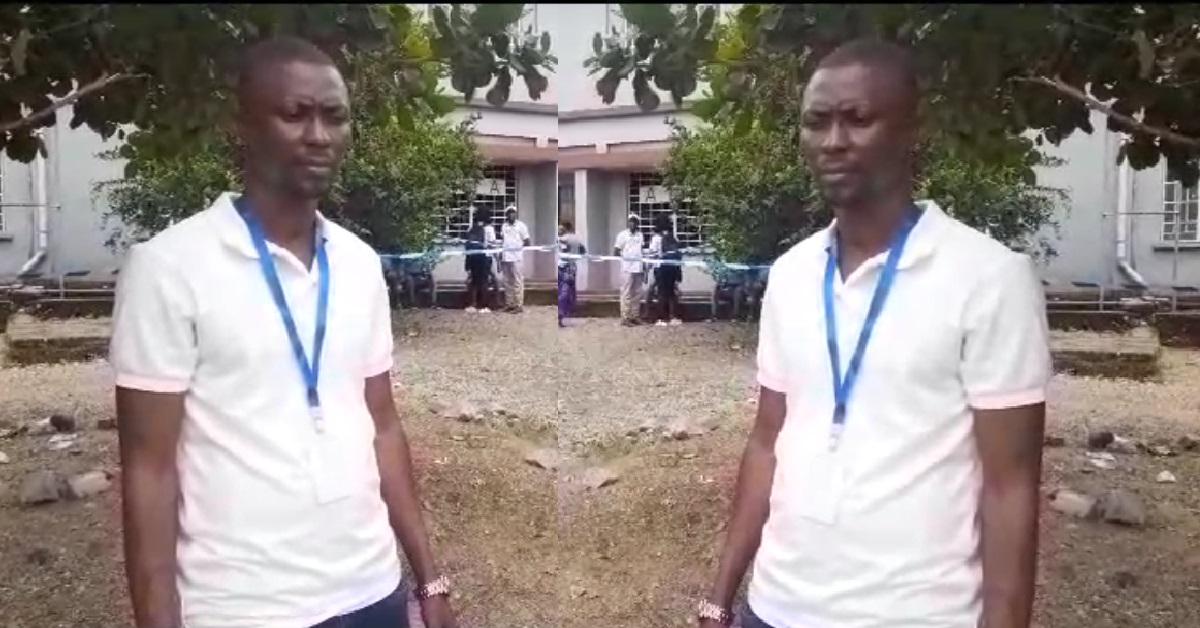

Lead Prosecutor, Yusuf I. Sesay Esq., objected to the application, arguing that the defense had failed to establish a proper legal foundation for the tendering of the device. He stated that while ownership of the phone had been attributed to the deceased, no evidence had been presented linking the accused to the creation or authorship of any of its contents.
The prosecution further argued that the defense had not established a clear chain of custody or provided sufficient legal justification for the phone’s admissibility, adding that the contents remained unverified and therefore unreliable for evidentiary purposes.
It was also revealed in court that the phone had previously been in the possession of an Information Technology specialist, Emmanuel Hindolo, before being produced in court. The prosecution raised concerns over the handling of the device, arguing that the circumstances surrounding its collection and transfer undermined its integrity and authenticity.
After hearing arguments from both sides, the presiding judge ruled that the defense had failed to provide sufficient legal and evidential basis for the admission of the mobile phone. The court held that the required foundation for admissibility had not been established and accordingly rejected the application to tender the device as evidence.
However, the court ruled that Emmanuel Hindolo, the Information Technology specialist, be called as the second defense witness.
The ruling marks a significant development in the proceedings, as the disputed mobile phone had been presented by the defense as potentially crucial evidence in the case.
The matter has been adjourned to June 10, 2026, when the court is expected to continue proceedings and reportedly review or project contents related to the deceased’s mobile phone.