
ECOWAS Highlights Sierra Leone’s Progress on Women, Peace and Security
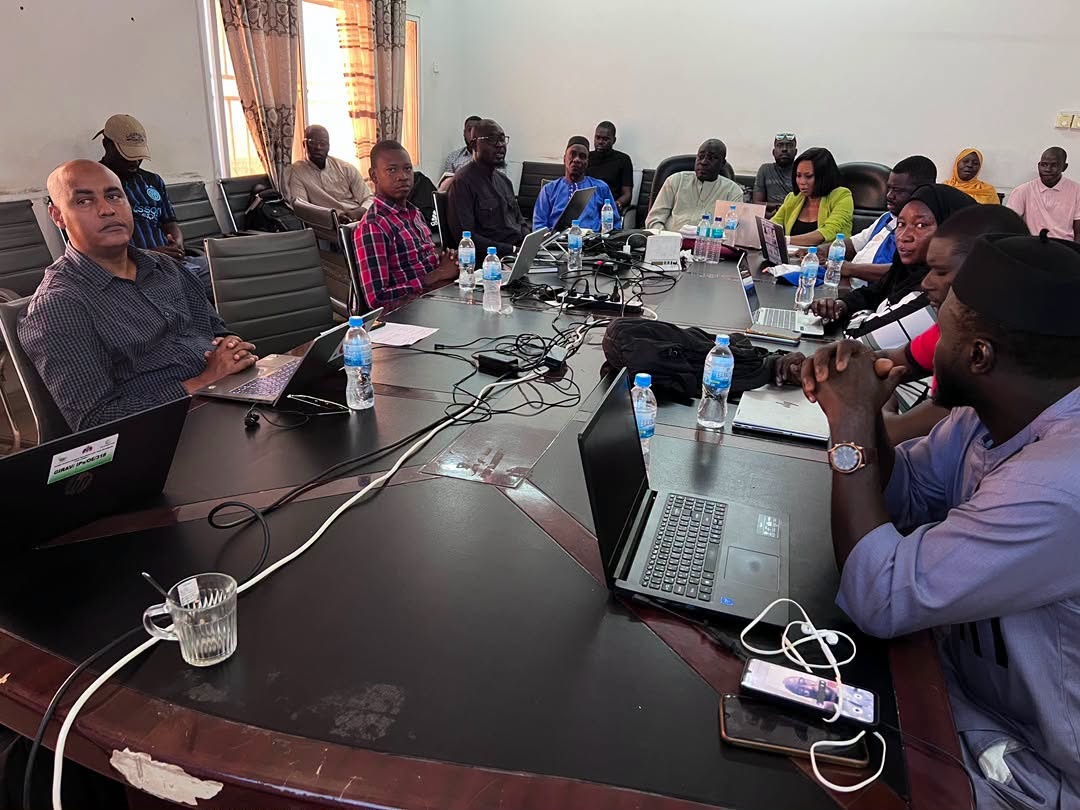
The Economic Community of West African States (ECOWAS) has highlighted Sierra Leone’s progress in advancing the Women, Peace and Security (WPS) agenda, describing the country’s efforts as a strong example of how inclusive governance can promote sustainable peace.
The ECOWAS Resident Representative in Sierra Leone, Ambassador John Azumah, made the commendation while speaking at a training session organised by ECOWAS and the Government of Sierra Leone to strengthen national reporting on WPS commitments.
Amb. Azumah said Sierra Leone’s experience demonstrates the importance of women’s participation in governance and peacebuilding processes, noting that inclusive approaches have contributed to the country’s stability.

“From the establishment of the Peace Commission to the enactment of the Gender Equality and Women’s Empowerment Act 2022, Sierra Leone exemplifies how inclusive governance can foster sustainable peace,” he stated.

The training, held on 8 July, brought together government officials, civil society organisations, and regional partners to improve understanding and use of the Continental Results Framework (CRF), a mechanism designed to support the monitoring and implementation of WPS commitments.
Amb. Azumah said the initiative was aimed at strengthening coordination among national stakeholders and ensuring that women remain central to peace and security decision-making processes.
“This workshop focused on strengthening capacity and collaboration among national stakeholders in advancing Sierra Leone’s commitment to the WPS agenda,” he said.
The programme aligns with Sustainable Development Goal 16, which promotes peace, justice and strong institutions, as well as the ECOWAS Vision 2050 and the African Union’s Agenda 2063.
During the event, ECOWAS also presented its Gender Assessment Report to the Minister of Gender and Children’s Affairs, Dr. Isata Mahoi.
Dr. Mahoi, who launched the training and delivered the keynote address, described Sierra Leone as a champion of the Women, Peace and Security agenda, citing the country’s adoption of three National Action Plans on United Nations Security Council Resolution 1325 and the enactment of key laws, including the GEWE Act 2022, Customary Land Rights Act, National Land Commission Act, Prohibition of Child Marriage Act, and Child Rights Act.
However, the Minister stressed that legal reforms alone cannot guarantee progress, emphasising the need for stronger institutions, capacity building, and accountability systems to ensure commitments translate into meaningful results.
“We must create the systems, capacities and accountability mechanisms to translate our commitments into tangible results,” Dr. Mahoi said.
Also speaking at the event, Acting Director of the Department of Humanitarian and Social Affairs at the ECOWAS Commission, Dr. Ibrahim Mohammed, described the training as timely, noting that while countries have made progress in adopting WPS frameworks, challenges remain in implementation and reporting.
He said the workshop was expected to improve stakeholder capacity, strengthen coordination mechanisms, and encourage greater use of the CRF tool for monitoring progress on the WPS agenda.
Dr. Mohammed praised Sierra Leone’s efforts in promoting women’s participation in peace and security processes and reaffirmed ECOWAS’ commitment to supporting women’s leadership in humanitarian response, recovery, stability, and sustainable development across West Africa.