
Journalist Thomas Dixon Says Media Facing “Intimidation Climate” After Recent Arrests and Suspensions
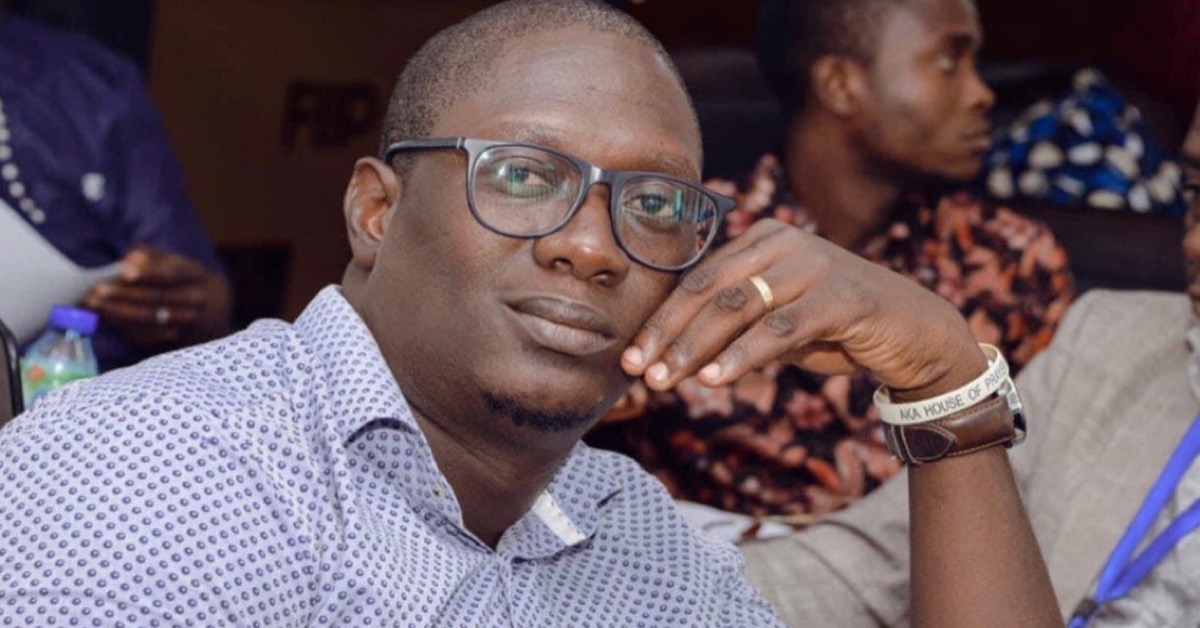
Veteran journalist and president of Guild of Newspaper Editors Thomas Dixon has raised serious concerns over what he describes as an increasing climate of fear among journalists in Sierra Leone, warning that recent high-profile prosecutions and institutional actions are having a chilling effect on press freedom.
Speaking on a Truth Media morning programme, Dixon said the ongoing legal proceedings involving All People’s Congress (All Peoples Congress) Secretary General Lansana Dumbuya and media personality Zainab Sheriff have contributed to what he described as “the most intimidating atmosphere” he has experienced in his journalism career.
He pointed specifically to the arrest and detention of Zainab Sheriff, noting that the state’s decision to deny her bail had sent shockwaves across the media community. While he declined to comment on legal aspects of the case, Dixon said the handling of the matter had triggered widespread concern among colleagues, friends, and family members, many of whom advised him to avoid public commentary.

“People were calling me from all over, advising me to stay away from the media,” Dixon said, adding that he had declined invitations to participate in public discussions due to what he described as growing intimidation linked to state actions.
Although he distanced himself from the substance of Sheriff’s statements, Dixon said the manner in which she was treated raised serious questions. He suggested that the handling of the case appeared to send a broader warning to others who might choose to speak publicly on sensitive issues.
“The way Zainab Sheriff was treated is a call for concern,” he said. “It was a clear message to instill fear in others who may want to follow such a path.”
Dixon also turned his attention to Parliament, criticising the continued suspension of parliamentary journalist Melvin Tejan Mansaray. He described the decision to bar Mansaray from covering proceedings as “a shameful precedent” and questioned whether Parliament has the authority to exclude a citizen from its chambers when it is meant to serve the public interest.
“Even if Melvin were not a journalist, does Parliament have the right to expel a citizen from the chamber?” he asked, noting that Mansaray had reportedly apologised following a request from Parliament, yet remains suspended.
He warned that the continued restriction sets a troubling precedent for freedom of expression and press freedom in the country, urging the Speaker of Parliament to reflect on the implications of the decision.
Dixon further accused Hon. Emerson Lamina of selectively interpreting Standing Order 77, which governs the publication of certain parliamentary proceedings, particularly during debates relating to the Transparency and Electoral Commission (TEC). He also referenced what he described as irony in the situation, noting that the media had previously supported Lamina during earlier political difficulties.
Reaffirming the role of journalism in society, Dixon said the media’s responsibility extends beyond its own interests and is primarily focused on giving voice to ordinary citizens.
“The media are not fighting for themselves but for the common people who do not have platforms to stand for their rights,” he said.
His remarks come amid growing public debate over press freedom, institutional accountability, and the safety of journalists in Sierra Leone. Observers argue that recent developments involving prosecutions, parliamentary restrictions, and enforcement of media-related rules have intensified concerns within the journalism community.
They further stress that rebuilding confidence will require transparent legal processes, consistent application of parliamentary procedures, and stronger safeguards to ensure journalists can operate without fear of intimidation or reprisal.