
Finance Ministry Reviews Sierra Leone’s Debt Position at Annual Sustainability Workshop
 Sahid Bangura
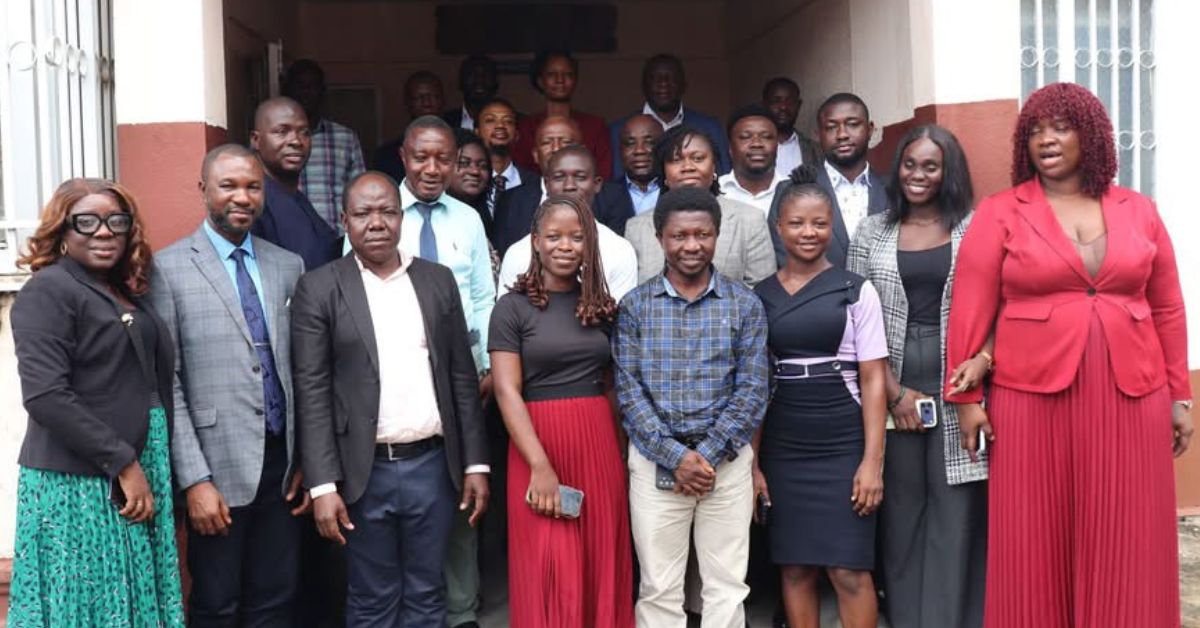
 The Ministry of Finance, through its Public Debt Management Division, has launched its annual Debt Sustainability Analysis (DSA) Workshop to review Sierra Leone’s public debt position and strengthen strategies for sustainable debt management.
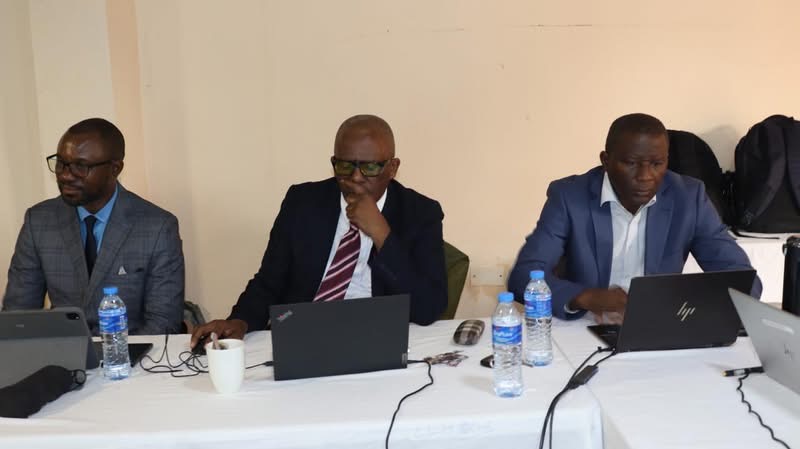
The week-long workshop, held at Leisure Lodge in Aberdeen, Freetown, brings together officials from the Ministry of Finance, National Revenue Authority (NRA), Bank of Sierra Leone (BSL), Statistics Sierra Leone (Stats SL), civil society organisations, and economics students from the University of Sierra Leone.
Opening the workshop, Director of the Public Debt Management Division, Mathew Sandy, said the programme provides an important platform to assess the country’s debt outlook and support evidence-based policy decisions.

Sandy said Sierra Leone has maintained single-digit inflation over the past two years, attributing the progress to reduced government borrowing and increased private sector participation in financing, which have contributed to lower interest rates and manageable debt levels.



He disclosed that the country’s total public debt currently stands at NLe74.4 billion, compared to NLe69.8 billion previously. Domestic debt accounts for NLe33.9 billion (45.6 percent), while external debt stands at NLe40.48 billion (54.4 percent). He added that Sierra Leone’s debt-to-GDP ratio is estimated at 42.4 percent.
The Director emphasised the importance of domestic revenue mobilisation, urging citizens and businesses to meet their tax obligations to support development and government’s debt repayment commitments.
Deputy Director of the Public Debt Management Division, Santigie Charles Conteh, said Sierra Leone remains at a medium level of debt distress but is expected, based on World Bank assessments, to move to a moderate risk category within six months.
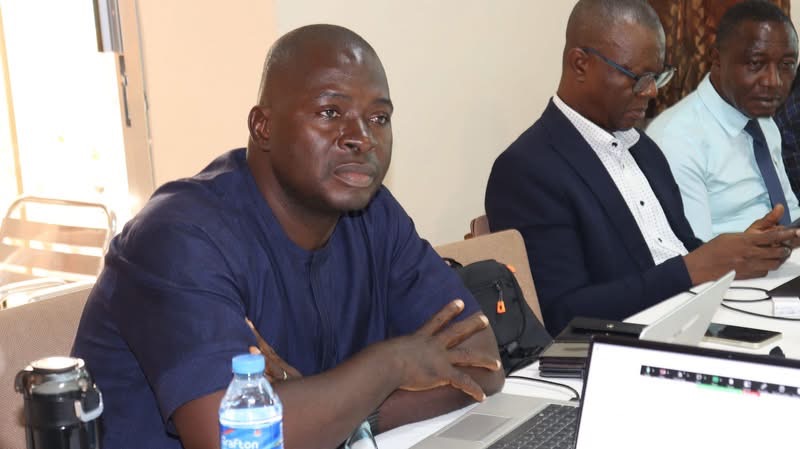
He assured that the country’s debt remains sustainable and that government continues to meet its debt service obligations without default or penalties.
The Ministry said the workshop forms part of efforts to strengthen debt management capacity, improve transparency in public financial management, and enhance collaboration with stakeholders to promote sound economic governance.