

 6 Comments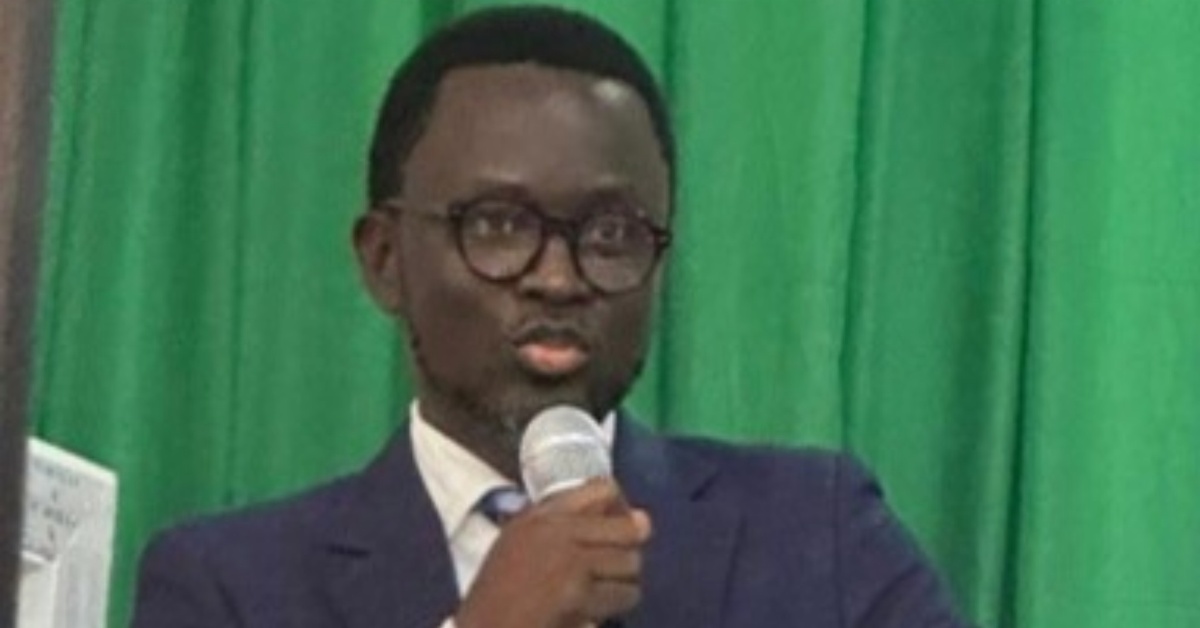
A proposal to extend Sierra Leone’s presidential term from five to seven years has stirred public debate amid ongoing constitutional review discussions, with prominent human rights lawyer Victor Lansana advocating strongly for the change.
Lansana, who also serves as Chairman of the Human Rights Commission of Sierra Leone (HRCSL), argued that the current five-year term is insufficient for any administration to design, implement, and deliver meaningful long-term development.
He made the remarks during a recent media appearance, emphasizing that the limited timeframe often forces leaders to prioritize short-term gains over sustainable national progress.
“The question we are struggling to answer is why we have a system that dictates only five years for leaders to transform a country that has endured so much,” Lansana stated. “We have been through slavery, colonialism, a one-party state, and a ten-year civil war. Five years is simply not enough time.”
Lansana proposed that extending the presidential term to seven years would provide the next administration with a more stable window to plan, execute, and assess major development initiatives without the constant pressure of re-election campaigns.
Supporters of the reform suggest that a longer term could also reduce political instability and the high costs associated with frequent elections, enabling the government to focus more on governance and long-term projects.
The proposal comes as Sierra Leone continues to review its 1991 Constitution, with various stakeholders contributing recommendations aimed at strengthening democratic governance and institutional effectiveness.
No official decision has been announced, though the suggestion has already sparked both interest and criticism across political and civil society circles.


So this said lawyer want to move us from the frying pan to the fire. Please sir go back to the drawing board and review your proposal
Which one be this again? How then does other countries cope with 4 years tenure? If only the will to be genuine to the cause & trajectory promoting realistic development in this country, I fail to see reasons why succeeding govts should not cope with continuity. If 7yrs should be the case, who’s going to lift off the long burden of bad governance? The emphasis people should be more concerned with is: minimizing the excess powers vested in the executives that severely affects the rule of law, transparency and accountability.
This clearly shows that you have no sense. 5 years is long enough. Have you considered if an incompetent government is sworn in and they are so incompetent and useless, they will destroy the nation in 7 years. In the USA is 4 years. In the UK it is 5 years. We are now crying for a new government already just over 14 months in power. Can you imagine if the term was 7 years. When you consider these things, don’t focus on the current government. Think about future government and all permutations. NO NO NO NO NO NO NO. What we should be fighting for is continuity in government. If a government is no longer in power, the new government must continue any good projects the previous government was working on.
Tanzania president then fully transformed that country in five years. Is that not possible for Sierra Leone,if only our leaders focus on tangible national development other than personal gains?
No amount of time is enough to develop our country. This country should have a national development plan to follow for such, any party that comes to power should follow
There should be no flagship agenda but the national agenda.
History informed me that only APC and SLPP has ruled this countr after independence. Sierra Leone @ 64 cannot boast of food sufficiency, 24hrs electricity, water supply, better health infrastructure, good roads, etc.
If I may ask, what these two parties have been doing since after independence?
We are tried to hear from the aspirants mentioning those issues as listed above.
We have everything it takes to make Sierra Leone a better place but because of selfishness , greed, tribalism, corruption, regionalism are responsible for our underdevelopment.
I prefer the tenure be reduced to four years and fully supporting the national development agenda.
Many thanks.
The reasons given for parliamentary term extension are fallacious and set a bad precedent for birthing more extensions beyond this proposed seventh year! Seton During.