

 Post a comment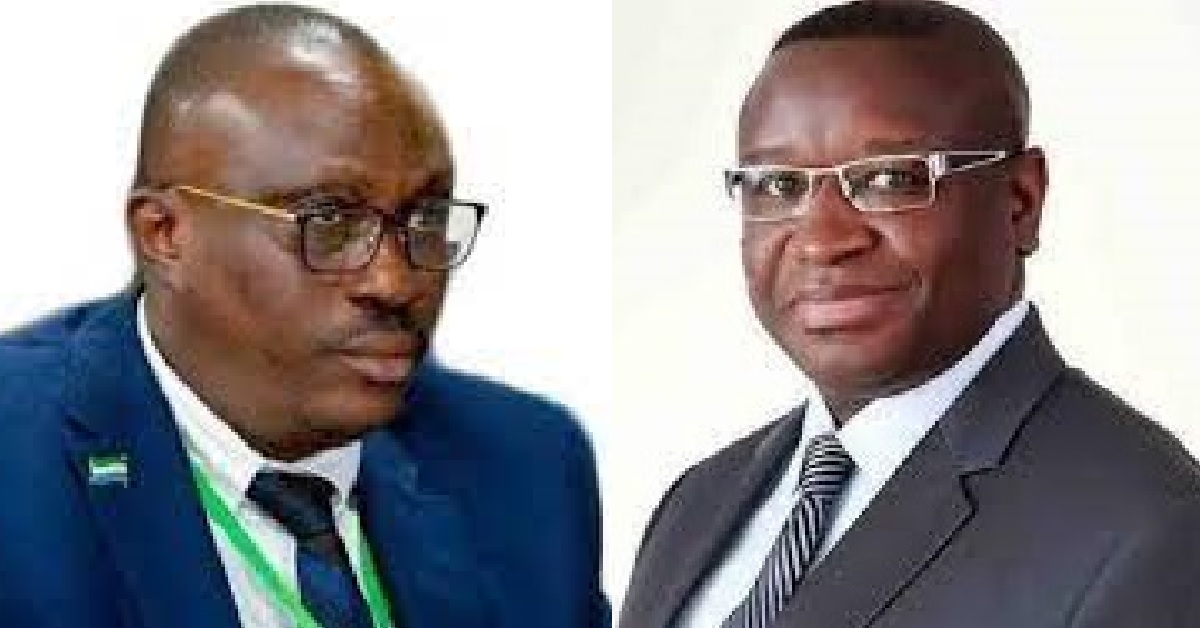
Former Minister of Finance and former Chief Minister under the administration of Julius Maada Bio, Jacob Jusu Saffa, has called on the Government of Sierra Leone to urgently adopt economic measures to cushion the impact of the ongoing global tensions involving Iran, the United States, and Israel, which he says are already affecting fuel prices and the country’s broader economy.
Speaking during an appearance on the Truth Media Morning Devotion Show on Monday, Saffa provided an analysis of the potential economic consequences of the global situation. He warned that the recent increase in fuel prices could trigger significant ripple effects across the economy.
According to him, rising fuel costs typically lead to increased transportation expenses, higher prices for both locally produced goods and imported commodities, and additional pressure on the country’s foreign exchange reserves managed by the Bank of Sierra Leone.
Saffa further cautioned that if the international crisis persists, the Sierra Leonean Leone could depreciate further against major foreign currencies, thereby increasing the cost of imports and worsening the financial burden on citizens.
To mitigate these risks, he urged the government to immediately develop and implement an emergency economic response plan. Among the measures he proposed is the introduction of a temporary travel ban on non-essential government trips, extending even to the presidential level, as a way to reduce public spending during this critical period.
“This is not the time for excessive talk. Government must get to work now and establish an emergency plan to respond to the current crisis,” Saffa emphasized.
He also called on authorities to improve communication with the public by clearly explaining how the global tensions involving Iran, the United States, and Israel could impact Sierra Leone’s economy. According to him, officials should move beyond simplistic arguments that Sierra Leone is not a fuel-producing country and instead provide citizens with transparent information about the likely economic consequences of the crisis.
In addition, Saffa advocated for greater fiscal discipline, particularly by addressing what he described as the overpricing of government contracts awarded to private companies. He warned that without effective mitigation measures and prudent financial management, the country could face severe economic challenges.
He concluded by stressing that decisive leadership, transparent communication, and strict control of government spending will be essential in helping Sierra Leone navigate the current global economic uncertainty.


