

 Post a comment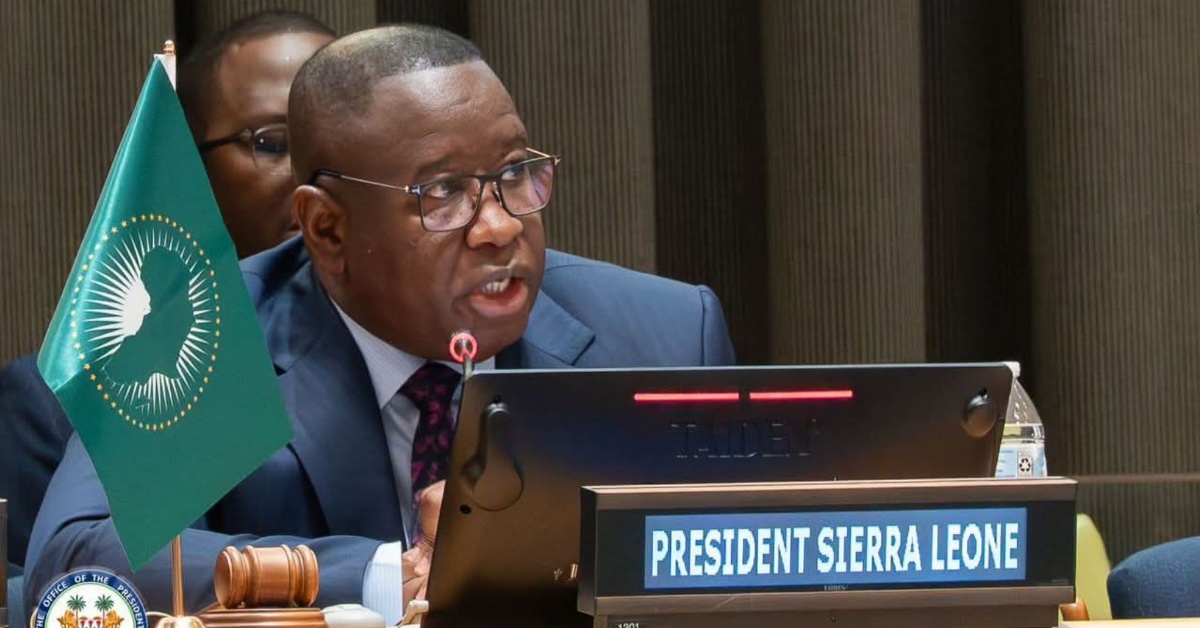
International media coverage has drawn significant attention to Sierra Leone’s recent diplomatic engagements at the United Nations Security Council (UNSC), particularly during the country’s presidency of the Council for the month of November.
Two key developments led by President Julius Maada Bio the adoption of Resolution 2803 concerning the situation in Gaza, and a proposal for a joint ECOWAS-UN-AU framework for peace and resilience in the Sahel were widely reported across global news platforms.
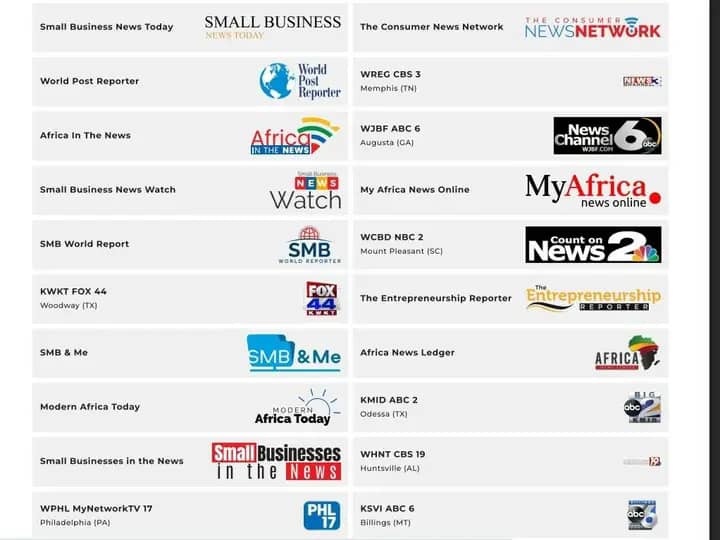
According to media monitoring figures, reports related to these diplomatic activities reached an estimated global audience of 245 million people, generating substantial digital engagement across multiple regions. Major wire services, including AP News and Bloomberg’s global terminals, carried the stories, alongside numerous U.S. broadcast affiliates in cities such as New York, Los Angeles, Chicago, Atlanta, Houston, and Washington, D.C. African governance-focused outlets and global political review platforms also reported on the developments.
Coverage emphasized President Bio’s role in chairing the UNSC session that adopted Resolution 2803, which called for the protection of civilians in Gaza, unhindered humanitarian access, and revived diplomatic efforts toward long-term peace. In a separate session, Sierra Leone’s proposal for an ECOWAS-UN-AU Joint Compact was described as part of broader efforts to coordinate responses to terrorism, instability, and food insecurity affecting the Sahel region.
Analysts noted that the visibility of Sierra Leone’s leadership during these sessions highlights the country’s increasing engagement in international peace and security debates.
President Bio has since returned to Freetown following the conclusion of the diplomatic mission.


