

Government Transfers Over 50 Drug Addicts to Daru Rehab Centre in Kailahun District
 Sahid Bangura
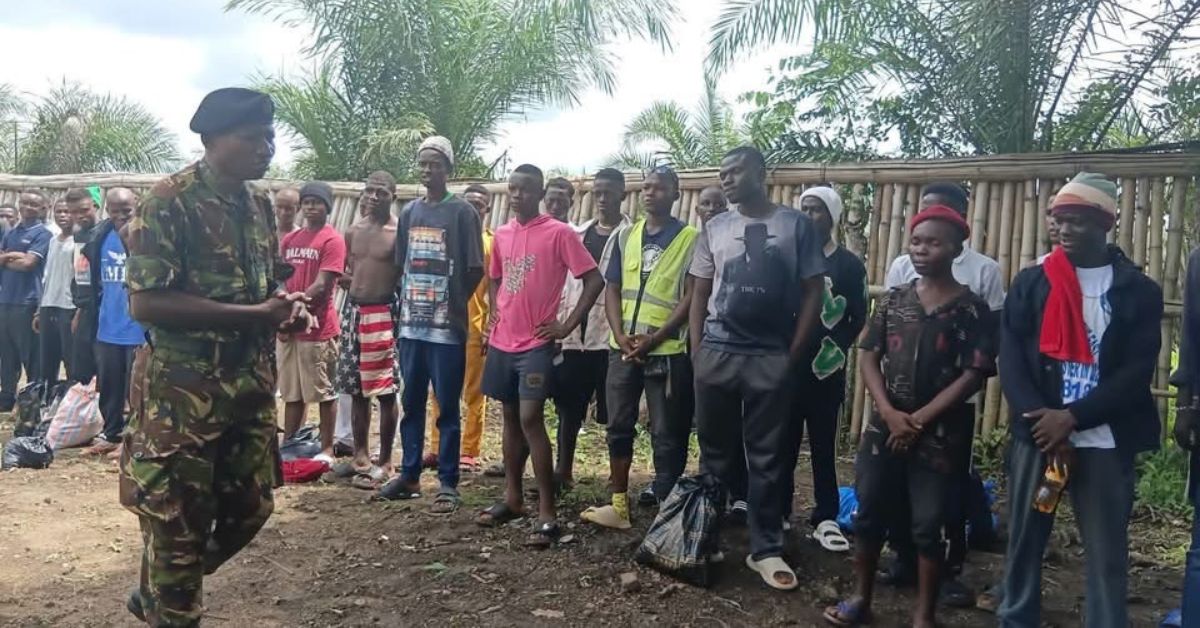
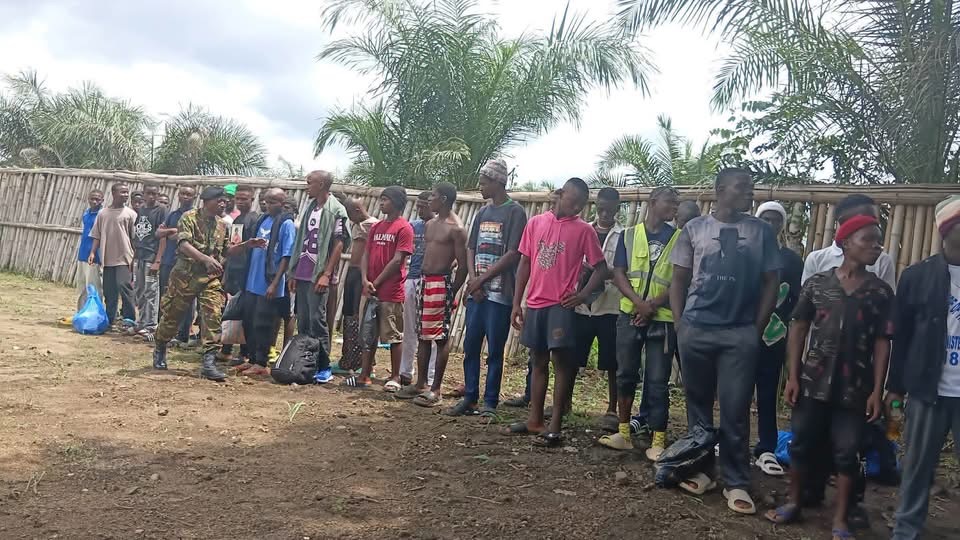
 The Sierra Leone Government, through the Ministry of Social Welfare and in collaboration with the National Public Health Agency (NPHA), law enforcement agencies, and other stakeholders, has repeatedly transferred more than 50 individuals affected by drug abuse from the Eastern Region to the Daru Rehabilitation Centre in Kailahun District for treatment and rehabilitation.
The beneficiaries, drawn from Kenema City, Daru Town, and Kailahun Town, constitute the third batch of participants admitted to the rehabilitation programme, which forms part of the government’s ongoing efforts to combat drug abuse and support the recovery and reintegration of affected individuals into society.
According to officials, the victims were identified through voluntary registration with the Ministry of Social Welfare, while others were enrolled by their parents and guardians who sought assistance for their children and wards.


Authorities noted that public interest in the programme continues to grow, with increasing numbers of families seeking rehabilitation opportunities for relatives struggling with substance abuse.
The Director of Mental Health and Psychosocial Support Services at the Ministry of Social Welfare, Ansu Konneh, disclosed that the rehabilitation programme is fully supported by the Government of Sierra Leone. He explained that beneficiaries receive three meals daily, counselling services, spiritual guidance, and participate in various recreational and outdoor activities designed to support their recovery.
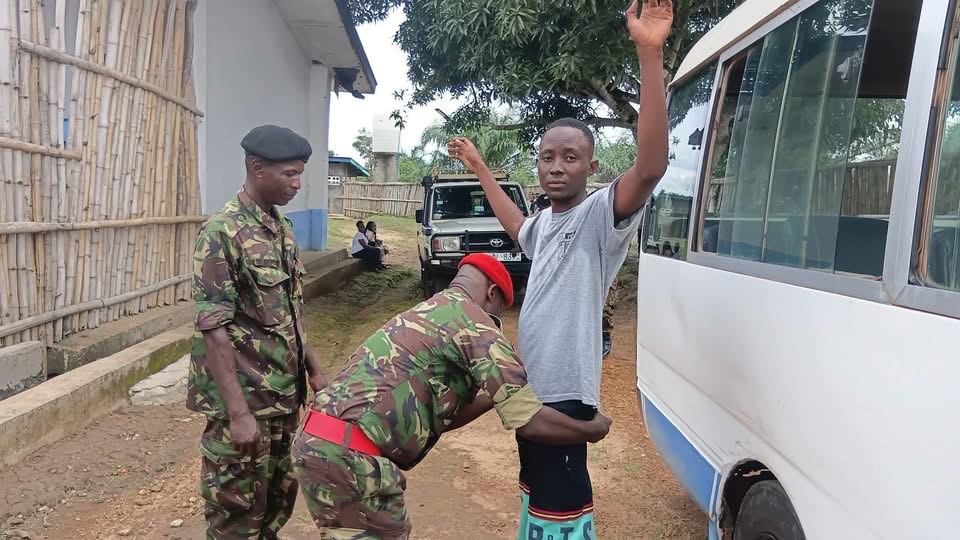
Konneh further stated that trained personnel, including designated caregivers and military officers stationed at the facility, work closely with participants to ensure a safe, structured, and supportive rehabilitation environment.
As part of the centre’s regulations, residents are prohibited from possessing drugs, mobile phones, money, and other unauthorised items during their stay. All personal belongings are documented upon admission and returned to participants at the completion of the programme.
The rehabilitation process also includes therapeutic storytelling sessions, during which participants share their personal experiences with substance abuse. At the end of the programme, beneficiaries present educational skits and performances aimed at promoting awareness of the dangers of drug abuse and encouraging positive behavioural change within communities.
Officials reported that many former participants have successfully reintegrated into society after completingting the programme. Some have returned to educational institutions, resumed employment, and taken on community leadership roles as advocates against drug abuse. These former beneficiaries, now referred to as “Ambassadors of Peace,” are helping to identify and encourage other victims to seek rehabilitation and reform.
The Ministry of Social Welfare has called on parents, guardians, community leaders, and development partners to continue supporting national efforts to tackle drug abuse and promote the successful rehabilitation of affected individuals across the country.
Drug abuse has been a major issue in Sierra Leone in recent years. Many young people needing rehabilitation are believed to be addicts of the synthetic drug, Kush. Experts had suggested that rehabilitation could be a key platform to assist young people addicted to the drug.