

 Post a comment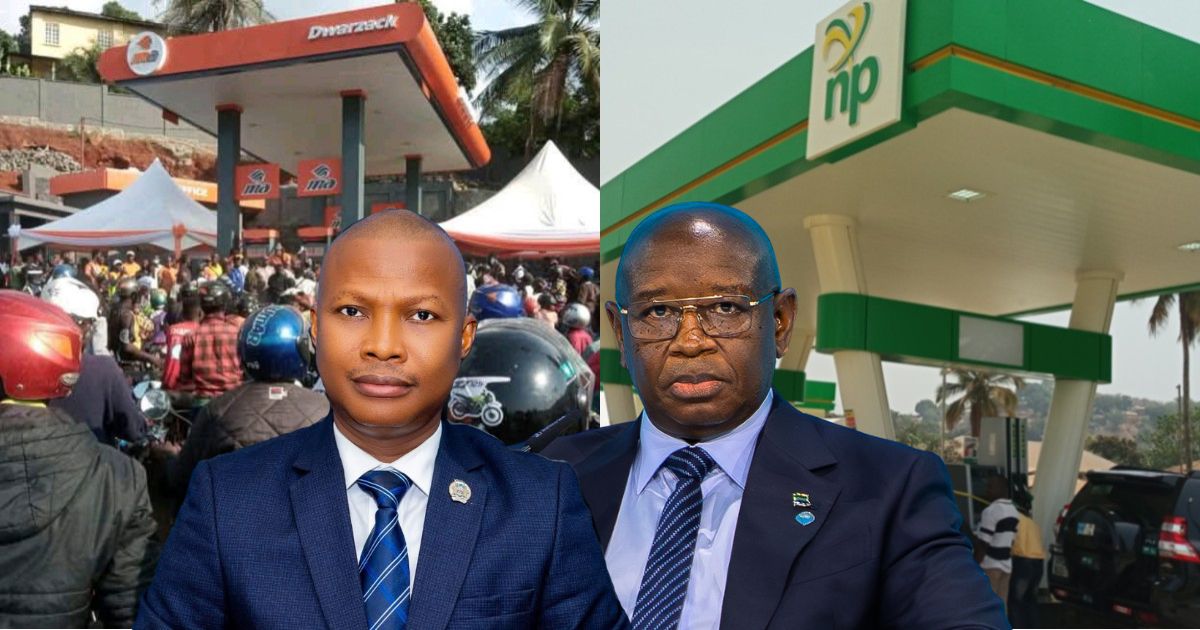
The Government of Sierra Leone has announced a targeted fuel subsidy aimed at cushioning the impact of rising global petroleum prices on citizens and businesses.
In a statement released on Friday, the Ministry of Information and Civic Education confirmed that the subsidy forms part of a broader, coordinated national response to the ongoing global energy crisis, which continues to disrupt supply chains and exert pressure on domestic prices.
Under the new measures, government will absorb Le1.06 on every litre of petrol and Le4.26 on every litre of diesel. This intervention is designed to stabilize pump prices and mitigate the immediate burden on transport costs, food prices, and general cost of living.
Beyond fuel, government is actively exploring strategic interventions in key sectors to safeguard economic stability and protect livelihoods. Among these is a planned engagement in the fertilizer market to guarantee supply for local farmers. This follows sustained disruptions in global urea supply—over one-third of which typically transits through the Strait of Hormuz, a critical corridor that has remained blocked for more than a month. Urea is a vital agricultural input in Sierra Leone’s food production systems, and ensuring its availability is central to national food security.
In the social sector, government is considering additional support mechanisms, including expanded funding for school feeding programmes, subsidized school transportation, and operational support for the Waka Fine bus system, which currently serves approximately 35,000 commuters daily across Freetown. These measures are intended to directly ease the cost pressures faced by households, particularly in urban centres.
Targeted cash transfers to vulnerable populations will also form a core pillar of the response package, alongside other fiscal and social protection measures that are being finalized.
Chief Economist at the Ministry of Finance, Alimamy Bangura, noted that the global energy crisis has significantly impacted government revenue projections for the fiscal year.
“Our volume of imports has declined, which translates into reduced revenue. At the same time, public expenditure has increased as we finance critical programmes we have committed to,” he explained.
Despite these pressures, he reaffirmed government’s commitment to shielding the most vulnerable.
“We will provide cash transfers to the poorest of the poor as part of a comprehensive response to this global challenge.”
The administration of Julius Maada Bio brings prior experience in managing external shocks. In 2020, government implemented a robust economic response to mitigate the effects of the COVID-19 pandemic. That intervention laid the groundwork for recovery, with subsequent progress recorded in stabilizing inflation, managing debt, and strengthening the national currency.
Today’s measures reflect a continuation of that responsive governance approach—prioritizing resilience, protecting citizens, and steering the economy through global uncertainty toward sustained growth.


