

Sierra Leone Government Dismisses Claims of Religious Preaching Restrictions
 Sahid Bangura
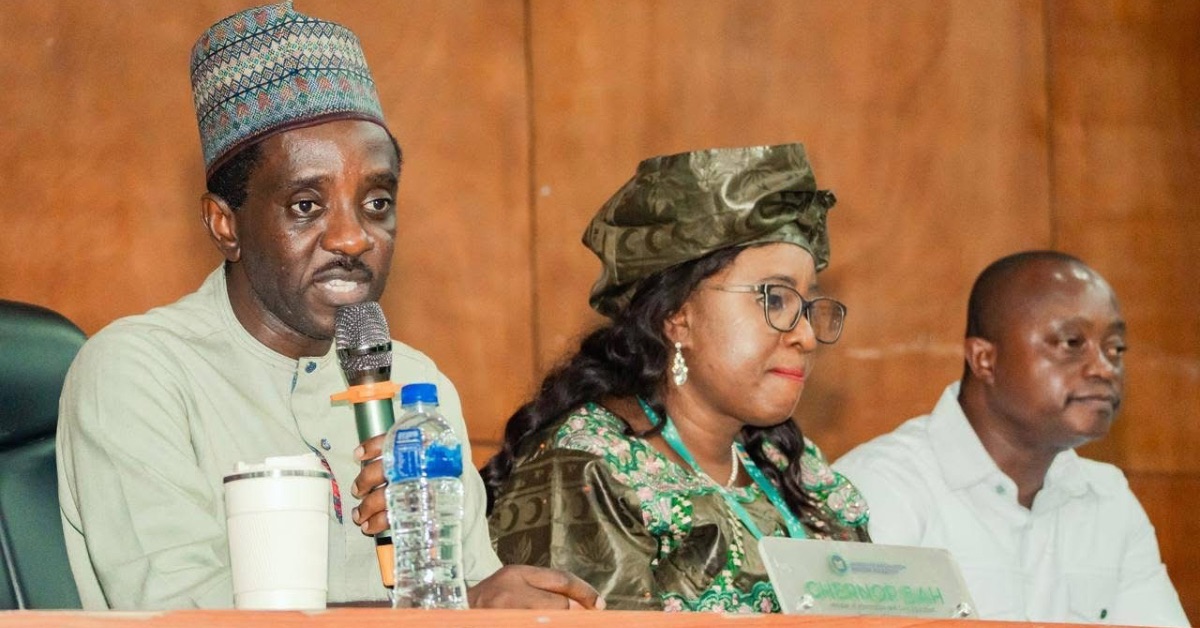
 Minister of Social Welfare, Melrose Karminty, has clarified that Government consultations on religious regulation are not intended to restrict worship or religious preaching in Sierra Leone.
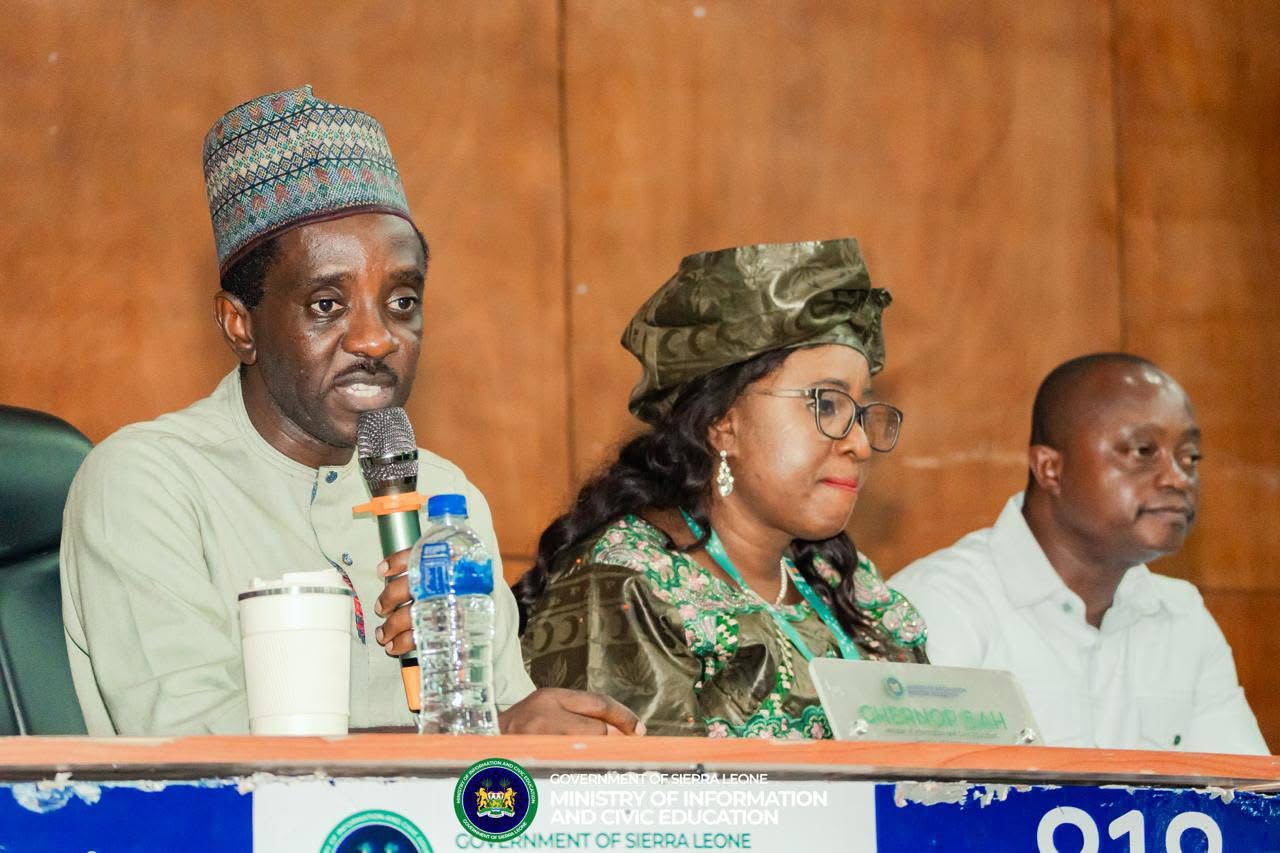
Addressing journalists during the Government Weekly Press Conference on Tuesday at the Miatta Civic Center, Karminty emphasized Sierra Leone’s long-standing tradition of religious tolerance and peaceful coexistence between Christians and Muslims.
She strongly dismissed claims suggesting that government has introduced a policy targeting religious preaching, explaining that ongoing consultations are focused on developing a framework to regulate the conduct of religious clerics rather than religious practices themselves.


According to the Minister, the consultation process is inclusive and nationwide, involving stakeholders from different religious groups and communities across the country.
Karminty further assured the public that any final recommendations emerging from the consultations would still require Cabinet approval before implementation.
Her clarification follows reports by Sierraloaded over the weekend on a proposed government policy introducing licensing for imams and certification for pastors.
The “Religious Tolerance and Practice Policy” aims to promote interfaith harmony and address public concerns including excessive noise, unsafe mass gatherings, and religious incitement. But critics say the proposal gives the state dangerous control over sacred institutions.
The most contentious provisions include government certification of religious leaders, annual renewal requirements, and a national registry of religious institutions.
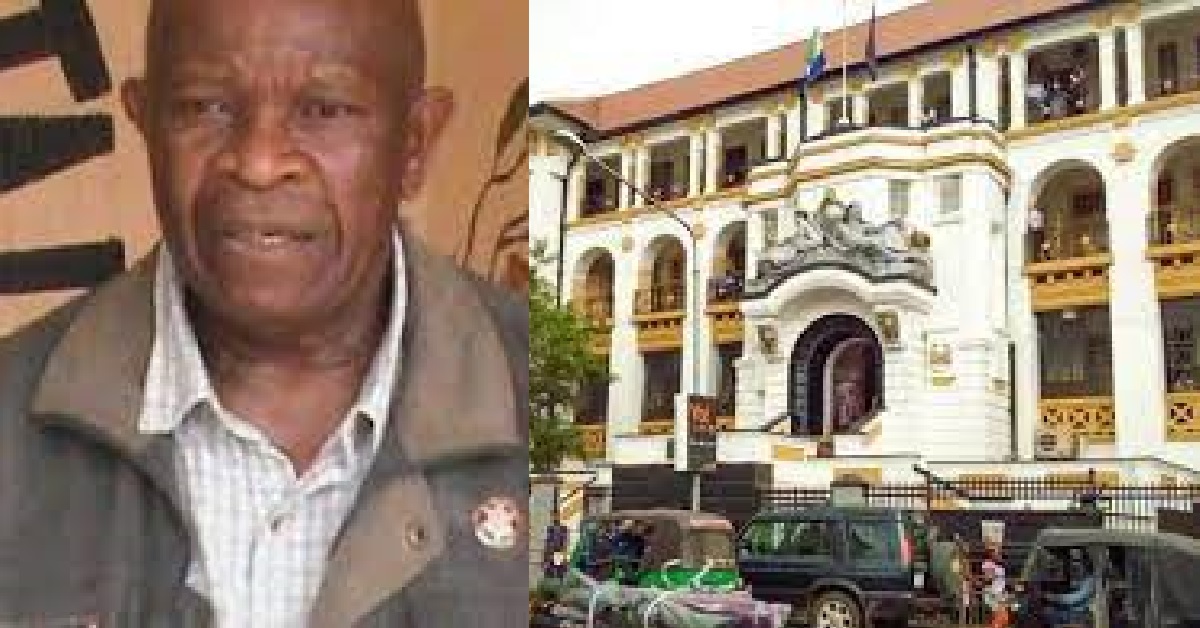
Bishop J. Archibald Cole, General Overseer of New Life Ministries International, said in a position paper that while the policy’s stated goals have merit, the certification system “could become a tool to decide who may preach, lead, pastor, plant churches, or conduct ministry.”
While Cole acknowledged the merits of regulating public safety and noise, he argued that the state has no authority over ordination or doctrine. “The Church receives its authority from God and Scripture, not from the State,” the paper noted, warning that a registry of leaders could easily transform into a tool for political surveillance.
He noted that “a pastor who preaches against corruption, injustice, immorality, or government abuse could be threatened with non-renewal.”
What was the contribution from the Muslim community/Sheikh/Imam?
Why is the pastor opposed to certification of religious entities? This is essential for census data taking and social security.
If religious doctrines scared and devine are being influenced by the state. The religious community can be politically polluted which can consequently undermine sound doctrine.