
Government Collects NLe 4.52 Billion in Q1 2026, but Mining and Fisheries Record Zero Returns
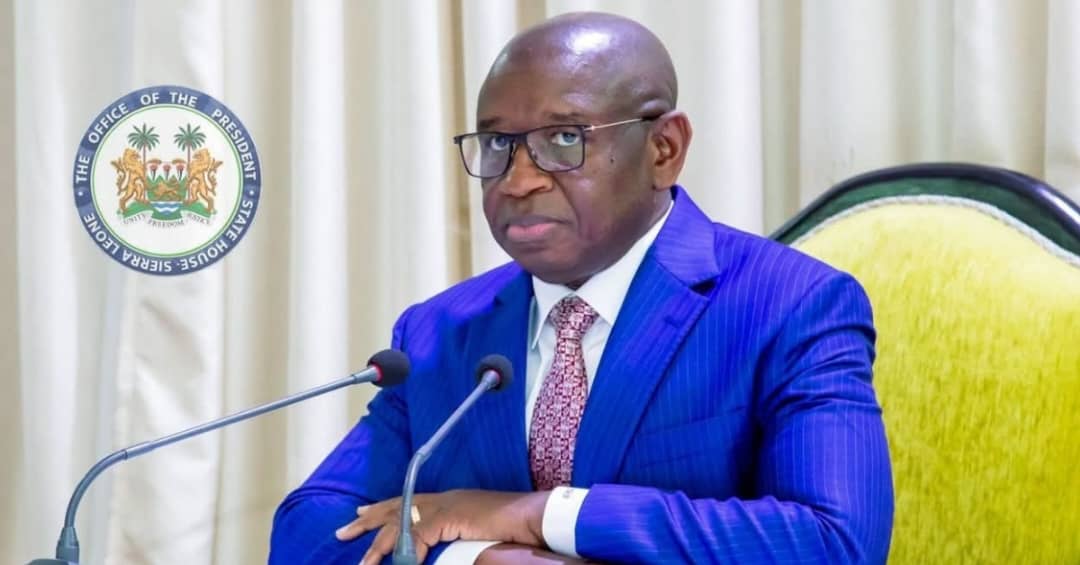
 Osman Tolo Sesay
 Sierra Leone’s domestic revenue collection for the first quarter of 2026 reached NLe 4.52 billion, according to official figures published in the Domestic Revenue Analysis – Quarter 1, 2026, highlighting steady tax performance alongside significant shortfalls in key resource-based sectors.
The report shows that income tax remained the strongest revenue driver, contributing NLe 1.86 billion, representing 41 percent of total collections. This was followed by the Goods and Services Tax (GST), which generated NLe 779 million, accounting for 17 percent.
Taxes from international trade and transport, including import duties, brought in NLe 565 million, or 13 percent of total revenue. The Treasury Single Account (TSA) contributed NLe 470 million, representing 10 percent, while customs and excise duties generated NLe 281 million, or 6 percent.

Non-tax revenues, including fees, fines, road user charges, and administrative charges, collectively amounted to NLe 563 million, accounting for 13 percent of total inflows. Other departmental receipts also performed strongly, rising to NLe 497 million, boosted by higher collections in March.

However, the report highlights a major concern in the underperformance of the extractive and fisheries sectors, both of which recorded zero inflows during the quarter. Mineral resources were projected to contribute NLe 1.29 billion, while fisheries were expected to generate NLe 671 million, creating a significant gap in planned revenue mobilisation.
As a result, overall domestic revenue performance for the quarter represents just 19 percent of the government’s annual target of NLe 23.67 billion, underscoring the challenge of meeting fiscal expectations without strong contributions from key productive sectors.
Analysts note that while tax administration continues to deliver steady inflows, particularly from income tax, GST, and import duties, the country’s fiscal position remains exposed to vulnerabilities arising from weak performance in resource-based revenue streams.
They warn that without strengthened compliance, enforcement, and reforms in the extractive and fisheries sectors, government may face increased pressure to rely on borrowing to bridge emerging financing gaps.
ILLEGITIMATE AYAMPIE GOVERNMENT OF MAADA BIO. WE’RE NOT SURPRISED