

 1 Comment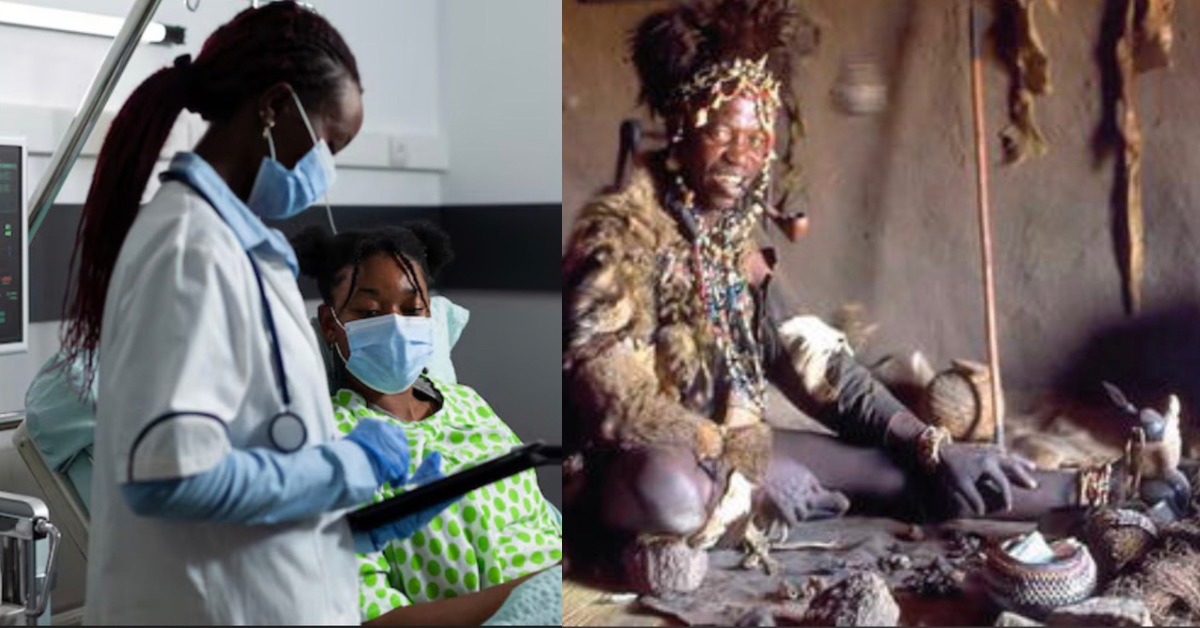
The Sierra Leone Council of Traditional Healers has revealed that over 9,300 herbalists are now officially registered across the country, highlighting the significant role traditional medicine plays in the national healthcare system.
However, this large number of registered practitioners is raising concerns over the country’s medical infrastructure, where the number of licensed doctors remains below 1,000.
Speaking on a Devotion program, Dr. Sheku Tarawalie, the President of the Sierra Leone Council of Traditional Healers, emphasized that the herbalist community is committed to providing authentic healthcare services. Dr. Tarawalie also addressed recent controversies surrounding unregistered herbalists and the illegal use of traditional practices in ritualistic activities.
“We have been misunderstood to be a diabolical institution, and that is not the truth,” Dr. Tarawalie said. He pointed out that while many claim to be herbalists, only those officially registered with the Council are recognized practitioners. “We have data, and I can confirm that Hydara, who was arrested on allegations of ritual murder, is not a member of our union,” he added.
The Council’s president underscored that herbalists in Sierra Leone specialize in a variety of medical fields, including treating bone fractures, impotence, pain management, and other ailments. “We do not have herbalists who perform ritual work for people to gain power,” he explained. “That is the evil side of it. Those who use body parts to get power are fake, and they only do it to get money.”
The Sierra Leone Council of Traditional Healers is taking steps to clear its image and differentiate itself from illegal practitioners. Dr. Tarawalie called for continued collaboration with authorities to remove unregistered and fraudulent herbalists from the country’s healthcare landscape.
Registered herbalists, according to the Council, must undergo rigorous testing before being officially recognized. Sorcerers, for example, are assessed through object-finding exercises, while herbalists are evaluated based on the types of plants and remedies they use.
Despite the large number of traditional healers, the official count of doctors practicing in Sierra Leone remains strikingly low. The Sierra Leone Medical and Dental Association (SLMDA) reports that there are fewer than 900 medical professionals in the country, a figure that is widely considered insufficient to meet the needs of the population.
The government made efforts to address this by deploying 110 new doctors in 2023, with half of them assigned to rural areas and the other half to Freetown. However, Health Minister Dr. Austin Demby acknowledged that as of the latest figures, only around 350 of the 500 doctors in the country were involved in clinical care, leaving many parts of Sierra Leone underserved.
The gap between the number of herbalists and doctors raises serious concerns about the country’s healthcare system. While traditional healers are widely trusted in local communities, many health professionals warn that without increased investment in medical training and retention, Sierra Leone risks exacerbating the disparities between traditional and modern healthcare services.
“There is a need for significant investment in medical education and healthcare infrastructure,” warned Dr. Demby. He expressed concern that if the current trends continue, the shortage of qualified doctors could widen the gap between traditional medicine and conventional healthcare, potentially endangering public health in the long term.
Traditional healers, on the other hand, maintain that they play an indispensable role in the country’s health system and remain committed to providing community-based services in areas where formal healthcare is scarce. As Dr. Tarawalie stated, “We want authorities to continue working with us to eradicate illegal herbalists in the country.”
With the growing number of herbalists and the ongoing shortage of trained medical professionals, Sierra Leone’s healthcare system is at a crossroads. The country faces critical questions about how to balance the benefits of traditional healing with the need for modern medical care, especially in underserved regions where access to trained physicians remains limited.


What is the source of your data?